Grizzly Bear

The Grizzly & Wolf Discovery Center offers guaranteed wildlife sightings right outside Yellowstone National Park.
The Grizzly & Wolf Discovery Center offers guaranteed wildlife sightings right outside Yellowstone National Park. This not-for-profit facility provides a unique opportunity to observe, understand, and appreciate grizzly bears, gray wolves, river otters, and raptors in naturalistic habitats. It serves as a sanctuary for animals that cannot survive in the wild, often due to human-wildlife conflict, making each resident an ambassador for its species.
Visitors can witness the impressive daily routines of resident grizzly bears as they forage for food hidden by staff, play in their ponds, and interact with each other in a large outdoor habitat. The center also provides intimate views of gray wolves, allowing guests to observe their intricate pack dynamics, sometimes even through floor-to-ceiling windows in the Naturalist Cabin. Beyond the iconic bears and wolves, the playful North American river otters charm visitors in their immersive "Banks of the Yellowstone River Otter" exhibit, showcasing their agility and curious nature.
More than just a viewing experience, the center is an educational hub, accredited by the Association of Zoos & Aquariums (AZA). Through interactive exhibits, daily programs, and ranger talks, guests learn about wildlife ecology, conservation, and living safely in bear country. It’s a memorable destination that fosters a deeper connection to the Greater Yellowstone Ecosystem, supporting ethical wildlife care and education for all ages. Unlock an interactive field guide for this spot: get the Snappit app to identify nature on the go.
The Grizzly & Wolf Discovery Center first opened in 1993 as the Grizzly Discovery Center, established by Lewis S. Robinson. Its initial mission was to provide a sanctuary for grizzly bears removed from the wild due to becoming habituated or aggressive towards people, saving them from euthanasia. In 1996, a wolf exhibit was added, introducing ten captive-born wolves to the center. The facility faced closure in 1999, but was saved when three long-term managers formed a non-profit corporation and purchased it. It was officially renamed the Grizzly & Wolf Discovery Center in 2002 and gained accreditation from the Association of Zoos and Aquariums (AZA) in 2001, signifying its commitment to high standards of animal care and conservation.
Watch daily feeding and enrichment activities for bears and wolves.
* Attend "Pack Chats" at the Naturalist Cabin to learn about wolf behavior.
* Participate in the Keeper Kids program for an interactive experience.
* Listen to Yellowstone Park Ranger Talks.
* Explore educational displays on wildlife safety and conservation.
* Observe ground squirrels and native trout.
Winter: Fewer crowds, snow on the ground, and very active animals make for a magical visit. Bears do not hibernate at the center.
Spring/Summer: Opportunities for Keeper Kids and seasonal raptor exhibits (May through November).
The center's public spaces and guest amenities are fully accessible.
Observe grizzly bears foraging, playing, and interacting.
Watch gray wolves and their pack dynamics from multiple viewing areas, including the indoor Naturalist Cabin with floor-to-ceiling windows.
See North American river otters up close in a state-of-the-art exhibit.
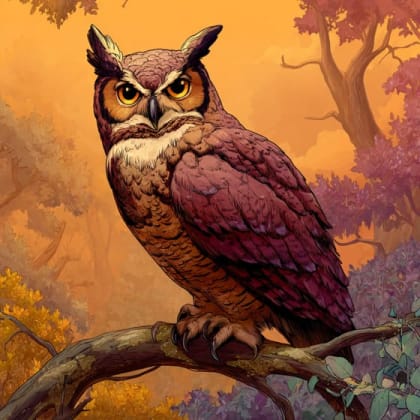
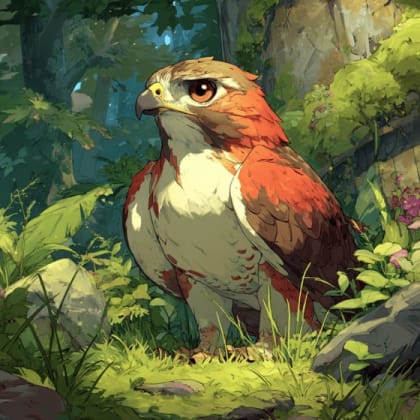
View non-releasable raptors like Great Horned Owls, Red-tailed Hawks, and Turkey Vultures.
Each card links to a full Explore page with photos, traits, and fun facts.
Start with the big picture, then zoom in to explore individual wildlife observations around this place.
Bring a camera
You'll have fantastic opportunities for close-up shots of the animals.
Check the schedule for enrichment activities: Timing your visit around bear enrichment or wolf "Pack Chats" can enhance your experience.
Consider visiting in winter
Expect fewer crowds and often more active animals due to cooler temperatures.
Take advantage of the two-day admission
Your ticket is valid for two consecutive days, which is great for a more relaxed visit or returning to see different animals that might be rotated on exhibit.
Look for signs of bear activity
Staff often hide food in the bear habitats, leading to engaging foraging behaviors.
Visit the Naturalist Cabin
This indoor viewing area provides exceptional views of the wolves and a cozy spot with a fireplace, especially on cold days.
May 24, 2026
Photo attribution
(c) Whitney Brook Matson, some rights reserved (CC BY)
License: CC BY 4.0 ↗
Image may be shown cropped inside the card frame.
Sep 11, 2025
Photo attribution
no rights reserved
License: CC0 1.0 ↗
Image may be shown cropped inside the card frame.
Jun 5, 2026
Jun 4, 2026
Jun 3, 2026

Michigan, US
You might spot African Lion, Komodo Dragon, and Brown Bear.
View guide →
.jpg)
Municipal District of Cobh, IE
You might spot Ring-Tailed Lemur, Giraffes, and Cheetahs.
View guide →

Nouvelle-Aquitaine, FR
You might spot Greater Flamingo, Giraffes, and Red Panda.
View guide →

Texas, US
You might spot Giraffes, African Lion, and Eastern Black Rhinoceros.
View guide →
Take the discovery with you
Identify the wildlife you spot, learn as you go, and keep a collection of the adventure.