





Scarce Straw Pearl
Paracorsia repandalis
The Scarce Straw Pearl is a unique moth with beautiful, straw-colored wings. It loves to flutter around flowers and is a special sight in gardens and meadows.
Habitat: Grasslands
The Scarce Straw Pearl has delicate, straw-yellow wings often with a subtle pearly sheen, sometimes featuring faint darker markings. Its slender body is similarly colored, helping it blend into dry grassy habitats. This moth appears small and inconspicuous.
Category
InsectsRarity
Rare
Danger
1/5 · Very low
Snaps
1
Adult moths do not eat solid food, only sipping nectar with a straw-like tongue!
Its caterpillars are picky eaters, dining only on plants like wild thyme or marjoram!
Its scientific name, *Paracorsia repandalis*, hints at its 'bent' or wavy wing patterns!
The Scarce Straw Pearl rests with its wings wrapped tightly around its body!
Scarce Straw Pearl can disappear against dry plants because of its straw-yellow wings, helping them hide from predators.
Scarce Straw Pearl can find mates in the dark because of special scent detectors, helping them reproduce.
Scarce Straw Pearl larvae can grow strong because they only eat specific plants, providing essential nutrients.
Adults sip flower nectar; larvae munch on specific plant leaves.
Age differences: Larvae consume host plant leaves, while adults only sip nectar.
Thymus vulgaris
Its caterpillars feed on the leaves of this plant.
Origanum vulgare
Its larvae also munch on the foliage of this fragrant herb.
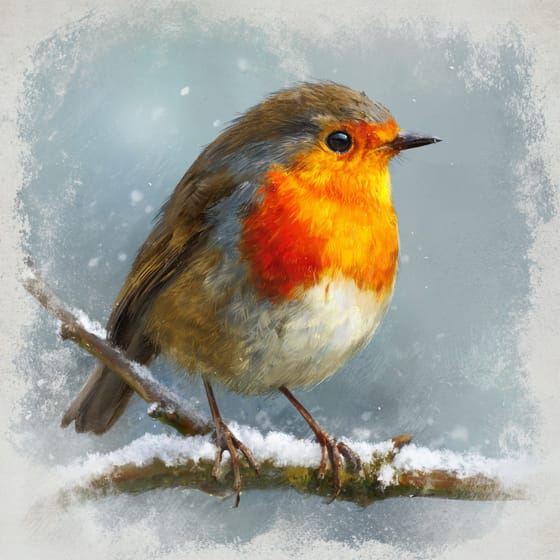
Erithacus rubecula
This bird and others prey on adult moths.
Myotis myotis
Bats actively hunt adult moths during their night flights.
Solitary animals live alone for most of their lives, only interacting with others for mating or parental care.
Camouflaged describes organisms that possess coloring or patterns that allow them to blend into their environment.
Grassland habitats are terrestrial biomes dominated by grasses and herbaceous plants, supporting a variety of grazing animals.
This trait characterizes organisms whose diet consists entirely or primarily of plant material.

Describes plants that are particularly attractive and beneficial to a wide range of pollinating organisms.

Nocturnal animals are primarily active during the nighttime hours, typically resting or sleeping during the day.

Describes organisms that transfer pollen, enabling the fertilization and reproduction of plants.

Endangered status indicates a species is at a very high risk of extinction in the wild in the near future.
No aliases listed yet.
Danger
1/5 · Very low
Don't touch moths; just watch them fly and enjoy their beauty!
The easiest way to identify Scarce Straw Pearl is to use the Snappit nature identifier app.
20-24 mm
8-10 mm
7-14 days
Adults sip flower nectar; larvae munch on specific plant leaves.
Grasslands
Foraging
6
Zoom in to split clusters and explore where this object has been snapped.
Take the discovery with you
Snap it with Snappit to identify it, learn what makes it special, and add the discovery to your collection.









.jpg&width=800)




