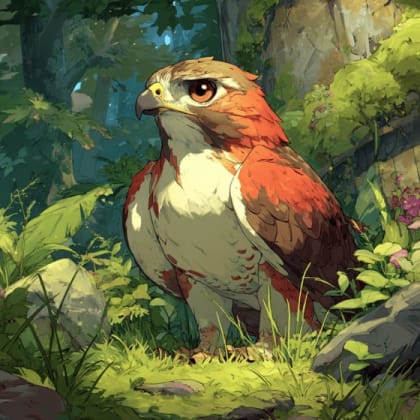





Red Tailed Hawk

The Central Village Historic District offers a captivating journey through New England's industrial past.
The Central Village Historic District offers a captivating journey through New England's industrial past.
This remarkably preserved mill village in Plainfield, Connecticut, serves as an open-air museum, showcasing a rich tapestry of 18th, 19th, and early 20th-century architecture that tells the story of a thriving industrial and commercial center. Designated on the National Register of Historic Places in 1991, the district invites visitors to explore a unique collection of structures, from the grand residences of mill owners to the humble dwellings of mill workers, alongside significant civic and commercial buildings. It's a place where the architectural styles themselves become the exhibits, providing a tangible link to the lives and livelihoods of those who shaped this community.
Wandering through Central Village reveals a diverse array of architectural styles, including elegant Greek Revival, picturesque Gothic Revival "cottages," stately mansard-roofed Second Empire houses, and elaborately detailed Italianate villas. Highlights include the prominent Fenner-Matthewson Mansion, an outstanding example of Italian Villa style, and the historic Central Village Congregational Church. The district also features institutional buildings like the old town hall and the former Plainfield High School, alongside the impressive Plainfield Woolen Company Mill, which has been rehabilitated into residential condominiums. These structures, together with the remnants of mill infrastructure, offer a comprehensive view of a vibrant manufacturing community.
Central Village Historic District is more than just a collection of old buildings; it's a window into the evolving landscape of an American mill town, reflecting its industrial heritage, commercial significance, and the lives of its inhabitants. It provides a peaceful and educational experience for anyone interested in American history, architecture, and the legacy of New England's industrial age. The district's cohesive historical integrity makes it a memorable destination, inviting contemplation on the past and appreciation for its enduring architectural beauty. Turn your visit into a safari! Use the Snappit app to scan and log wildlife sightings here.
Buffs:** Deep dive into New England's industrial and social history. * **Photographers:** Rich subject matter in historic buildings and streetscapes. * **Walking Tours:** Ideal for self-guided exploration and leisurely strolls.
Stroll along Main Street, School Street, and Water Street to observe the historic buildings. Look for architectural details, historical markers (if available), and imagine life in a 19th-century mill village.
Spring/Summer: Lush greenery, gardens in bloom around some residences.
Fall: Vibrant fall foliage in the surrounding Connecticut landscape.
Winter: Potentially snowy, which can offer a picturesque, quiet atmosphere, but walking conditions may vary.
As a historic district comprising public roads and sidewalks, general accessibility depends on the individual street and sidewalk conditions. Visitors should expect varying terrain and older infrastructure.
A prime example of Italian Villa architecture.
A notable Greek Revival structure.
An important institutional building.
The district's largest industrial building, now residential condominiums.
Each card links to a full Explore page with photos, traits, and fun facts.
Start with the big picture, then zoom in to explore individual wildlife observations around this place.
Wear comfortable walking shoes, as exploring the district is best done on foot.
Bring a camera to capture the diverse architectural styles and historic streetscapes.
Look for details on the buildings, such as ornate trim, window styles, and unique construction materials.
Consider researching the history of specific buildings or families before your visit to enhance your appreciation.
Allow time to simply wander and soak in the atmosphere of this historic New England village.
Keep an eye out for any local historical markers that may provide additional context about the sites.
Jun 2, 2026
Photo attribution
(c) Bryan Connolly, some rights reserved (CC BY)
License: CC BY 4.0 ↗
Image may be shown cropped inside the card frame.
Jun 2, 2026
Photo attribution
(c) Bryan Connolly, some rights reserved (CC BY)
License: CC BY 4.0 ↗
Image may be shown cropped inside the card frame.
Jun 2, 2026
Photo attribution
(c) Bryan Connolly, some rights reserved (CC BY)
License: CC BY 4.0 ↗
Image may be shown cropped inside the card frame.
Jun 2, 2026
Photo attribution
(c) Bryan Connolly, some rights reserved (CC BY)
License: CC BY 4.0 ↗
Image may be shown cropped inside the card frame.
Jun 2, 2026
Photo attribution
(c) Bryan Connolly, some rights reserved (CC BY)
License: CC BY 4.0 ↗
Image may be shown cropped inside the card frame.

Maryland, US
You might spot White-Tailed Deer and Eastern Gray Squirrel.
View guide →
.jpg)
District of Columbia, US
You might spot Eastern Gray Squirrel, Duck, and House Sparrow.
View guide →

Illinois, US
You might spot American Robin, Canada Goose, and House Sparrow.
View guide →

Virginia, US
You might spot Spotted Lanternfly and Northern Cardinal.
View guide →
Take the discovery with you
Identify the wildlife you spot, learn as you go, and keep a collection of the adventure.