





Schoenomyza
Schoenomyza
Schoenomyza is a tiny insect that loves to live in wet places like marshes and swamps. They are often seen buzzing around plants and flowers, helping to pollinate them.
Habitat: Wetlands
The Schoenomyza is a small, slender fly, typically grey or brownish with translucent, often iridescent wings. It commonly has prominent bristles on its thorax and legs, which help distinguish it visually from other tiny flies.
Category
InsectsRarity
Common
Danger
1/5 · Very low
Snaps
Be the first to snap!
A Schoenomyza's compound eyes see the world like a mosaic of many thousands of tiny pictures!
Did you know some Schoenomyza larvae live inside plant stems or roots, like tiny hidden gardeners?
Many Schoenomyza help clean up nature by munching on decaying plants or fungi, recycling nutrients!
These tiny flies have special pads on their feet that help them stick and walk on ceilings or glass!
Schoenomyza can hover and change direction rapidly thanks to powerful wing muscles, helping them evade quick predators.
Schoenomyza has sensitive bristles on its body that detect subtle air currents and vibrations, aiding navigation.
Schoenomyza has a short life cycle from egg to adult in a few weeks, allowing for multiple generations annually.
Adult Schoenomyza mostly sip nectar and sap, while their larvae feed on decaying plants or fungi.
Age differences: Larvae feed on decaying organic matter or plant roots, while adults primarily consume nectar and sap.
%2C_Parc_de_Woluw%C3%A9%2C_Brussels_(13042792905).jpg&width=800)
Parus major
a food source for chicks and adult birds
Misumena vatia
ambushed while visiting flowers for nectar

Ranunculus acris
helps spread pollen between meadow flowers
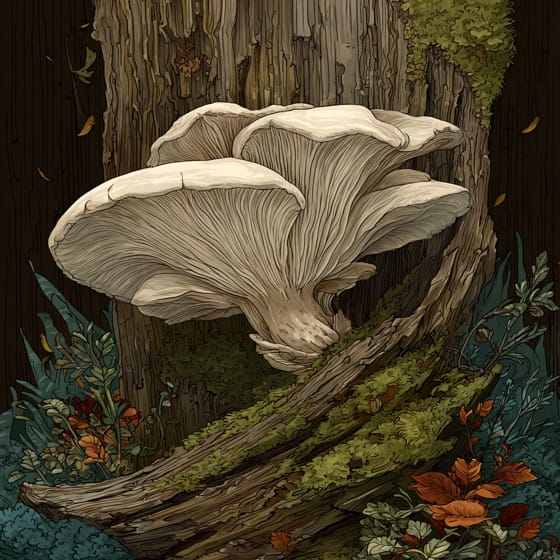
Pleurotus ostreatus
larvae consume decaying fungi as food
Aerial creatures spend a significant portion of their lives airborne, utilizing flight for various activities such as hunting, migration, or nesting.
This trait characterizes organisms whose diet consists entirely or primarily of plant material.
Describes plants that are particularly attractive and beneficial to a wide range of pollinating organisms.
This habitat trait identifies species found in wetlands, which are areas of land saturated with water, either permanently or seasonally, including marshes, swamps, and bogs.

Diurnal animals are primarily active during daylight hours, typically resting or sleeping at night.

Pertaining to species that are significantly smaller than typical or average for their kind.

This trait identifies organisms that exhibit exceptional swiftness in movement for hunting, escape, or travel.

Describes organisms that transfer pollen, enabling the fertilization and reproduction of plants.
No aliases listed yet.
Danger
1/5 · Very low
Insects are usually harmless, but it's best to watch them from a distance.
The easiest way to identify Schoenomyza is to use the Snappit nature identifier app.
4-8 mm
2-5 mm
15-40 days
7 km/h
Adult Schoenomyza mostly sip nectar and sap, while their larvae feed on decaying plants or fungi.
Wetlands
Foraging
Zoom in to split clusters and explore where this object has been snapped.
Recent snaps will appear here as new observations are added.
Take the discovery with you
Snap it with Snappit to identify it, learn what makes it special, and add the discovery to your collection.







.jpg&width=800)




