





Scolia hirta
Scolia hirta
The Scolia hirta is a special type of wasp that loves to buzz around flowers. These wasps are important because they help flowers grow by spreading pollen.
Habitat: Grasslands
The Scolia hirta is a robust, dark-bodied wasp covered in fine, dense hairs, giving it a velvety appearance. It typically has two prominent, bright yellow or orange spots on its mostly black abdomen, which contrast sharply with its smoky, dark wings. This distinct patterning helps it stand out from other wasps.
Category
InsectsRarity
Common
Danger
2/5 · Low
Snaps
Be the first to snap!
Adult wasps are surprisingly gentle and prefer to fly away than sting!
Female Scolia hirta lays her eggs *inside* living beetle grubs deep underground.
These fuzzy wasps are amazing pollinators, helping many wild flowers produce seeds.
Unlike social bees, this wasp lives alone and raises its young without a colony.
Scolia hirta has strong digging legs that allow them to burrow into soil, helping them reach the buried beetle larvae hosts.
Scolia hirta can sip nectar from flowers using its specialized mouthparts, which helps them get energy for flight and egg-laying.
Scolia hirta has a potent stinger, which helps them defend themselves from threats, though they are usually not aggressive.
Adult Scolia hirta sips nectar, while its larvae feast on beetle grubs found underground.
Age differences: Larvae consume beetle grubs, while adults feed on flower nectar.
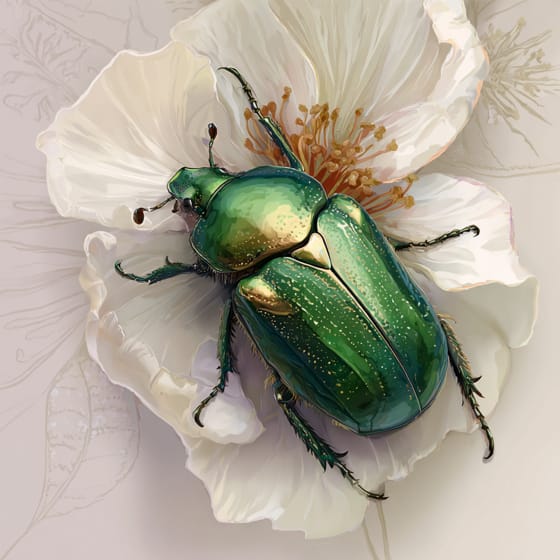
Cetonia aurata
Its larvae develop inside these beetle grubs.

Oryctes nasicornis
Female wasps lay eggs on their grubs.

Eryngium campestre
Adults visit flowers for nectar, aiding plant reproduction.

Merops apiaster
This bird preys on various flying insects, including wasps.
Furry describes animals possessing a dense covering of soft hair or fur.
Social animals live in organized groups, cooperating for survival benefits such as foraging, defense, and raising offspring.
Grassland habitats are terrestrial biomes dominated by grasses and herbaceous plants, supporting a variety of grazing animals.
This trait characterizes organisms whose diet consists entirely or primarily of plant material.

Describes plants that are particularly attractive and beneficial to a wide range of pollinating organisms.

Diurnal animals are primarily active during daylight hours, typically resting or sleeping at night.

Describes a species whose presence and role have a disproportionately large effect on its environment.

Describes organisms that transfer pollen, enabling the fertilization and reproduction of plants.
No aliases listed yet.
Danger
2/5 · Low
Stay calm if you see a wasp, and don't swat at it. They usually won't bother you.
The easiest way to identify Scolia hirta is to use the Snappit nature identifier app.
20-50 mm
10-25 mm
30-60 days
Adult Scolia hirta sips nectar, while its larvae feast on beetle grubs found underground.
Grasslands
Pursuit
6
Zoom in to split clusters and explore where this object has been snapped.
Recent snaps will appear here as new observations are added.
Take the discovery with you
Snap it with Snappit to identify it, learn what makes it special, and add the discovery to your collection.





.jpg&width=800)



