.jpg&width=800)





Scoparia
Scoparia
Scoparia is a type of moth that has beautiful, delicate wings. They are often found fluttering around at night, making them special nighttime friends in nature.
Habitat: Forests
The Scoparia is a small, slender moth, typically mottled in shades of brown, grey, and white. Its wings often feature zig-zag lines or darker spots, providing excellent camouflage against bark or dry vegetation. It commonly rests with its wings forming a triangular shape.
Category
InsectsRarity
Common
Danger
1/5 · Very low
Snaps
Be the first to snap!
Many Scoparia moths are so tiny, they could comfortably fit on your fingertip!
Most Scoparia moths are 'night owls,' flitting about only after the sun goes down!
Some Scoparia caterpillars munch on mosses, an unusual snack for a moth larva!
Their patterned wings are incredible masters of disguise, looking just like tree bark or dry leaves!
Scoparia has cryptic wing patterns that help them blend perfectly into their surroundings, making them almost impossible for predators to spot.
Scoparia can fly and find food efficiently in the dark because of its specialized night vision, helping them avoid daytime predators.
Scoparia can sip nectar from deep inside flowers using a long, coiled proboscis that helps them reach otherwise inaccessible food sources.
Scoparia larvae can digest tough mosses and lichens, an unusual diet that helps them thrive in habitats where other insects might struggle.
Adult Scoparia moths drink nectar, while their larvae often munch on mosses and lichens.
Age differences: Larvae eat mosses and lichens, while adult moths primarily feed on flower nectar.
Hypnum cupressiforme
Larvae feed on this common moss in damp environments.
Rhytidiadelphus squarrosus
Another common moss species consumed by Scoparia larvae.
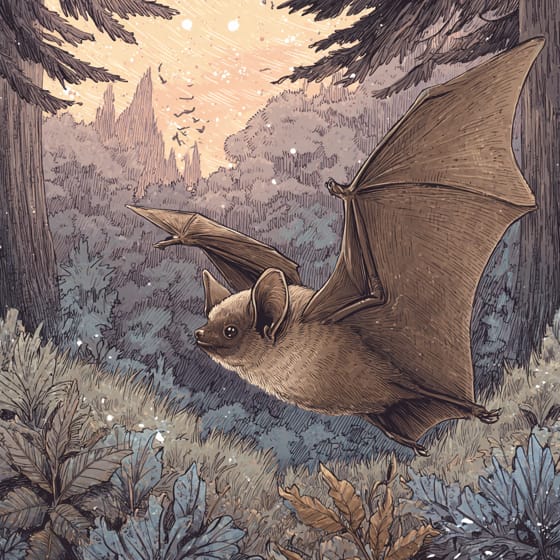
Myotis lucifugus
Bats hunt adult moths at night using echolocation.
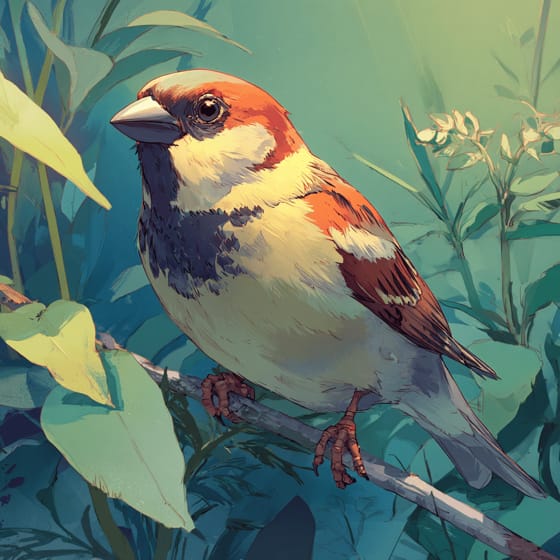
Passer domesticus
Opportunistic birds will sometimes snatch resting moths.
Solitary animals live alone for most of their lives, only interacting with others for mating or parental care.
Camouflaged describes organisms that possess coloring or patterns that allow them to blend into their environment.
Colorful describes organisms or objects displaying a wide range of bright and distinct colors.
This trait characterizes organisms whose diet consists entirely or primarily of plant material.

Describes a relationship between two different species where they live in close association, often benefiting one or both.

Forest habitats are terrestrial environments dominated by dense tree cover, supporting a high diversity of plant and animal life.

Nocturnal animals are primarily active during the nighttime hours, typically resting or sleeping during the day.

Describes organisms that transfer pollen, enabling the fertilization and reproduction of plants.
No aliases listed yet.
Danger
1/5 · Very low
Moths are gentle creatures, but it's best to watch them from a distance.
The easiest way to identify Scoparia is to use the Snappit nature identifier app.
15-30 mm
5-15 mm
7-21 days
8 km/h
Adult Scoparia moths drink nectar, while their larvae often munch on mosses and lichens.
Forests
Foraging
Zoom in to split clusters and explore where this object has been snapped.
Recent snaps will appear here as new observations are added.
Take the discovery with you
Snap it with Snappit to identify it, learn what makes it special, and add the discovery to your collection.








.jpg&width=800)


