.jpg&width=800)




Sea Buckthorn
Hippophae rhamnoides
Sea Buckthorn is a spiky shrub that grows bright orange berries. These berries are not only beautiful but also very nutritious!
Habitat: Coastal areas and sandy soils
The Sea Buckthorn is a thorny shrub with distinctive narrow, silvery-green leaves. Its most striking feature is the abundance of bright orange or yellow berries that densely cling to the branches, often appearing before the leaves fully emerge, creating a vibrant display.
Category
PlantsRarity
Common
Danger
1/5 · Very low
Snaps
Be the first to snap!
Its berries pack more Vitamin C than oranges, making them a superfood for wild animals and humans!
Sea Buckthorn oil was used by ancient Greeks for horses, giving it a name meaning 'shiny horse'!
Soviet cosmonauts famously used its berries and oil for nutrition and radiation protection in space!
These hardy shrubs can live for over 100 years, standing strong against tough weather and harsh conditions!
Sea Buckthorn develops sharp thorns along its branches, protecting its nutrient-rich berries and tender shoots from hungry animals.
Sea Buckthorn can thrive in salty coastal environments and poor sandy soils, where most other plants struggle to grow.
Turdus merula
Feeds on nutrient-rich berries, aiding seed dispersal.
Frankia alni
Forms root nodules, fixing atmospheric nitrogen for the plant.
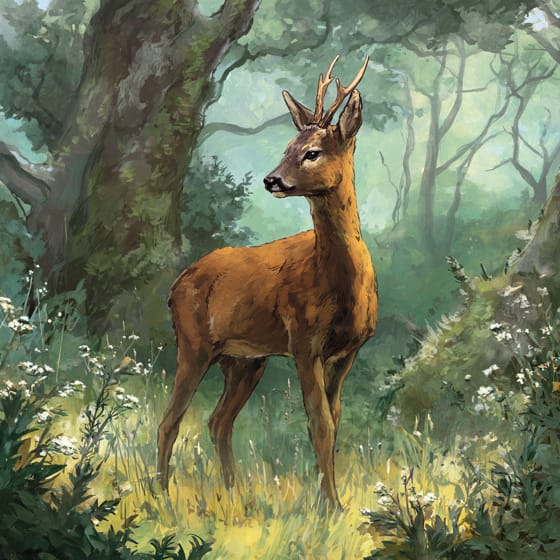
Capreolus capreolus
Browses on young shoots and leaves, especially in winter.
Deciduous plants periodically shed all their leaves, typically during autumn or dry seasons.
A shrub is a woody plant smaller than a tree, typically with multiple stems branching from or near the ground.
Fruit-bearing plants produce fruits, which are the mature ovaries of flowering plants containing seeds.
Salt tolerant plants can withstand and grow in conditions with elevated salinity levels in the soil or water.

Edible plants are those parts of a plant that are considered safe for human consumption.

Coastal habitats are dynamic environments located along the interface between land and sea, influenced by tides, waves, and saltwater.
Danger
1/5 · Very low
Explore with care and ask an adult if you’re unsure what to do.
The easiest way to identify Sea Buckthorn is to use the Snappit nature identifier app.
200-600 cm
200-500 cm
0.2-0.5 cm
Spring
Yes
None
Perennial
Zoom in to split clusters and explore where this object has been snapped.
Recent snaps will appear here as new observations are added.
Take the discovery with you
Snap it with Snappit to identify it, learn what makes it special, and add the discovery to your collection.









.jpg&width=800)



_001.jpg&width=800)



