





Rose-of-sharon
Hypericum calycinum
The Rose-of-sharon is a beautiful shrub that blooms with bright yellow flowers. It's a great plant for gardens and can attract butterflies and bees!
Habitat: Urban areas
The Rose-of-sharon is a deciduous shrub or small tree, typically displaying lush green, lobed leaves. Its most striking feature is its large, trumpet-shaped flowers, which come in shades of white, pink, purple, and blue, often with a contrasting blotch in the center, setting it apart from smaller-flowered shrubs.
Category
PlantsRarity
Common
Danger
1/5 · Very low
Snaps
4
Did you know Rose-of-sharon flowers close up at night and open again in the morning?
Hummingbirds love to sip nectar from its big, colorful flowers in late summer and fall.
Its name comes from the biblical Sharon plain, but it's actually native to Asia, not the Middle East!
Some types of Rose-of-sharon can grow to be taller than a basketball hoop!
Rose-of-sharon has strong roots that help it survive dry spells and poor soils, making it very tough.
Rose-of-sharon can handle air pollution and difficult city conditions, helping it grow where other plants struggle.
Rose-of-sharon keeps blooming for months, providing a long-lasting nectar source for buzzing insects.
Apis mellifera
collects nectar and pollen
Vanessa cardui
drinks nectar from flowers
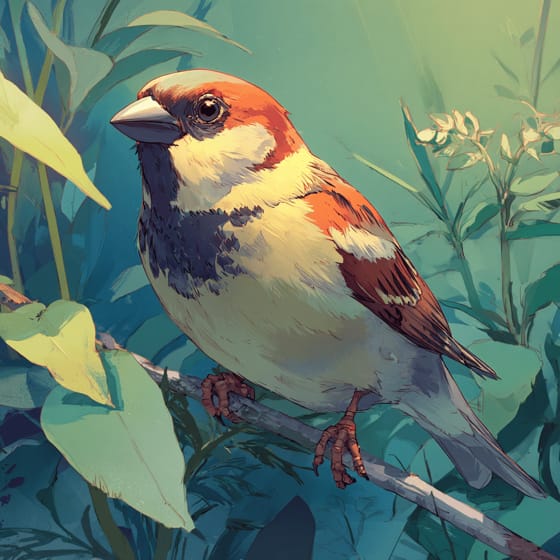
Passer domesticus
nests in dense branches
Deciduous plants periodically shed all their leaves, typically during autumn or dry seasons.
Flowering plants are any plants that produce flowers as part of their reproductive cycle.
A shrub is a woody plant smaller than a tree, typically with multiple stems branching from or near the ground.
Summer blooming plants produce their flowers during the summer season, often providing vibrant color when many other plants have finished.

Fragrant flowers emit a pleasant aroma, often to attract pollinators or for defense.

Fall color refers to the seasonal change in foliage pigmentation, primarily in deciduous plants, displaying vibrant hues.

Describes plants that are particularly attractive and beneficial to a wide range of pollinating organisms.

This habitat trait indicates species that can coexist with humans in urban and suburban environments, utilizing man-made structures and green spaces.
No aliases listed yet.
Danger
1/5 · Very low
Always be gentle around plants and don't eat any parts without asking an adult.
The easiest way to identify Rose-of-sharon is to use the Snappit nature identifier app.
200-400 cm
150-300 cm
5-10 cm
Summer to fall
Yes
None
Perennial
Zoom in to split clusters and explore where this object has been snapped.

Oregon, US
You might spot Duck, Pacific Trillium, and Wood Duck.
View guide →

Washington, US
You might spot Pacific Banana Slug and Oregon Forestsnail.
View guide →

California, US
You might spot Western Fence Lizard, Duck, and Canada Goose.
View guide →

Oregon, US
You might spot Tree-Of-Heaven, Duck, and Canada Goose.
View guide →

Washington, US
You might spot Snowy Owl, Bee, and American Crow.
View guide →

Oregon, US
You might spot Great White Shark, Blue Spotted Stingray, and Octopus.
View guide →
Take the discovery with you
Snap it with Snappit to identify it, learn what makes it special, and add the discovery to your collection.







.jpg&width=800)


_001.jpg&width=800)




