





Sea Milkwort
Lysimachia maritima
Sea Milkwort is a lovely plant that grows near the coast. It has bright yellow flowers that look like little stars and can help make sandy places beautiful.
Habitat: Coastal areas
The Sea Milkwort is a low-growing plant with fleshy, oval leaves that often have a reddish tint. Its tiny, pale pink to purplish-white bell-shaped flowers grow directly from the leaf axils, hugging the stem. It often forms mats on salty ground.
Category
PlantsRarity
Common
Danger
1/5 · Very low
Snaps
2
Even with its small flowers, tiny flies and bees love to visit them for a sweet treat.
Its old name 'Glaux' means 'owl' in Greek, perhaps because of its wide-open tiny flowers!
Sea Milkwort leaves can taste quite salty if you nibble them, like a natural snack from the sea!
This plant is related to garden primroses and loosestrifes, even though it looks very different.
Sea Milkwort can thrive in super salty soil and even brackish water, thanks to its special ability to handle high salt levels.
Sea Milkwort has thick, somewhat succulent leaves that can store water, helping it survive in dry, exposed coastal environments.
Sea Milkwort can help stabilize shifting sand dunes with its creeping roots, preventing erosion along the coastline.
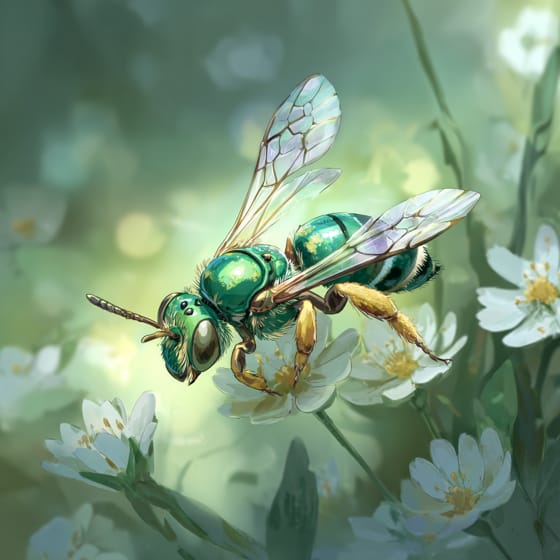
Lasioglossum calceatum
Visits its small flowers for nectar.
Arion lusitanicus
Slugs may graze on its leaves and stems.
Anas platyrhynchos
Waterfowl sometimes graze on its low-growing foliage.
Flowering plants are any plants that produce flowers as part of their reproductive cycle.
Ornamental plants are cultivated primarily for their aesthetic appeal, enhancing landscapes and gardens with their attractive foliage, flowers, or form.
Summer blooming plants produce their flowers during the summer season, often providing vibrant color when many other plants have finished.
Salt tolerant plants can withstand and grow in conditions with elevated salinity levels in the soil or water.

Describes plants that are particularly attractive and beneficial to a wide range of pollinating organisms.

Coastal habitats are dynamic environments located along the interface between land and sea, influenced by tides, waves, and saltwater.

Describes a species whose presence and role have a disproportionately large effect on its environment.
No aliases listed yet.
Danger
1/5 · Very low
Always look but don't touch plants without asking an adult first.
The easiest way to identify Sea Milkwort is to use the Snappit nature identifier app.
5-25 cm
10-40 cm
0.2-0.4 cm
Late spring to late summer
Yes
None
Perennial
Zoom in to split clusters and explore where this object has been snapped.

Maine, US
You might spot Rugosa Rose and European Green Crab.
View guide →

US
You might spot Rugosa Rose and European Green Crab.
View guide →

British Columbia, CA
You might spot Barn Swallow, Pelagic Cormorant, and Sea Lion.
View guide →
Take the discovery with you
Snap it with Snappit to identify it, learn what makes it special, and add the discovery to your collection.








.jpg&width=800)



_001.jpg&width=800)




