




Sea Plantain
Plantago maritima
Sea Plantain is a special plant that grows near the ocean. Its long, green leaves are shaped like a spoon and can be found on sandy shores and rocky beaches.
Habitat: Coastal areas
The Sea Plantain has long, narrow, fleshy leaves that resemble grass or a goose's tongue, often tinted reddish-green. Its small, greenish-brown flowers are tightly packed into a distinctive, cylindrical spike atop a leafless stem.
Category
PlantsRarity
Common
Danger
1/5 · Very low
Snaps
1
Ancient Vikings may have used its leaves for food during long sea voyages!
Even though it's a plant, its leaves are sometimes called 'goose tongue'.
Its seeds swell into a jelly-like substance when wet, helping them stick to new places.
This tough plant can grow right on the edges of shifting sand dunes!
Sea Plantain can thrive in salty coastal soils because it has special cells that manage salt levels.
Sea Plantain has tiny, simple flowers without bright petals, allowing the wind to easily carry its pollen.
Its thick, fleshy leaves store water, helping the Sea Plantain survive dry spells in its exposed coastal home.
Sea Plantain has strong roots that grip loose soil, helping it stay put in windy, erosion-prone coastal areas.
Mellicta athalia
Its larvae feed on plantain leaves.
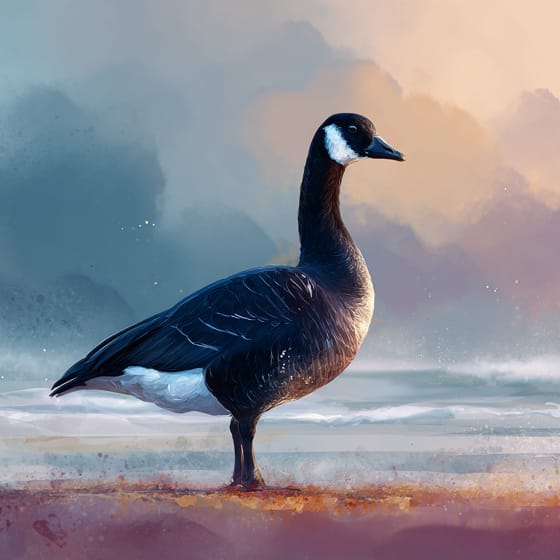
Branta bernicla
Geese graze on its leaves in coastal marshes.
Anthus spinoletta
Birds forage for its seeds in salty habitats.
Flowering plants are any plants that produce flowers as part of their reproductive cycle.
Salt tolerant plants can withstand and grow in conditions with elevated salinity levels in the soil or water.
Edible plants are those parts of a plant that are considered safe for human consumption.
Coastal habitats are dynamic environments located along the interface between land and sea, influenced by tides, waves, and saltwater.

Marine habitats encompass all saltwater environments of the Earth's oceans, supporting an immense diversity of aquatic life.
No aliases listed yet.
Danger
1/5 · Very low
Always look but don't touch plants without asking an adult first.
The easiest way to identify Sea Plantain is to use the Snappit nature identifier app.
5-40 cm
10-30 cm
0.2-0.3 cm
Late spring to early autumn
Yes
None
Perennial
Zoom in to split clusters and explore where this object has been snapped.

Maine, US
You might spot Jack Pine, Lingonberry, and Sheep Laurel.
View guide →
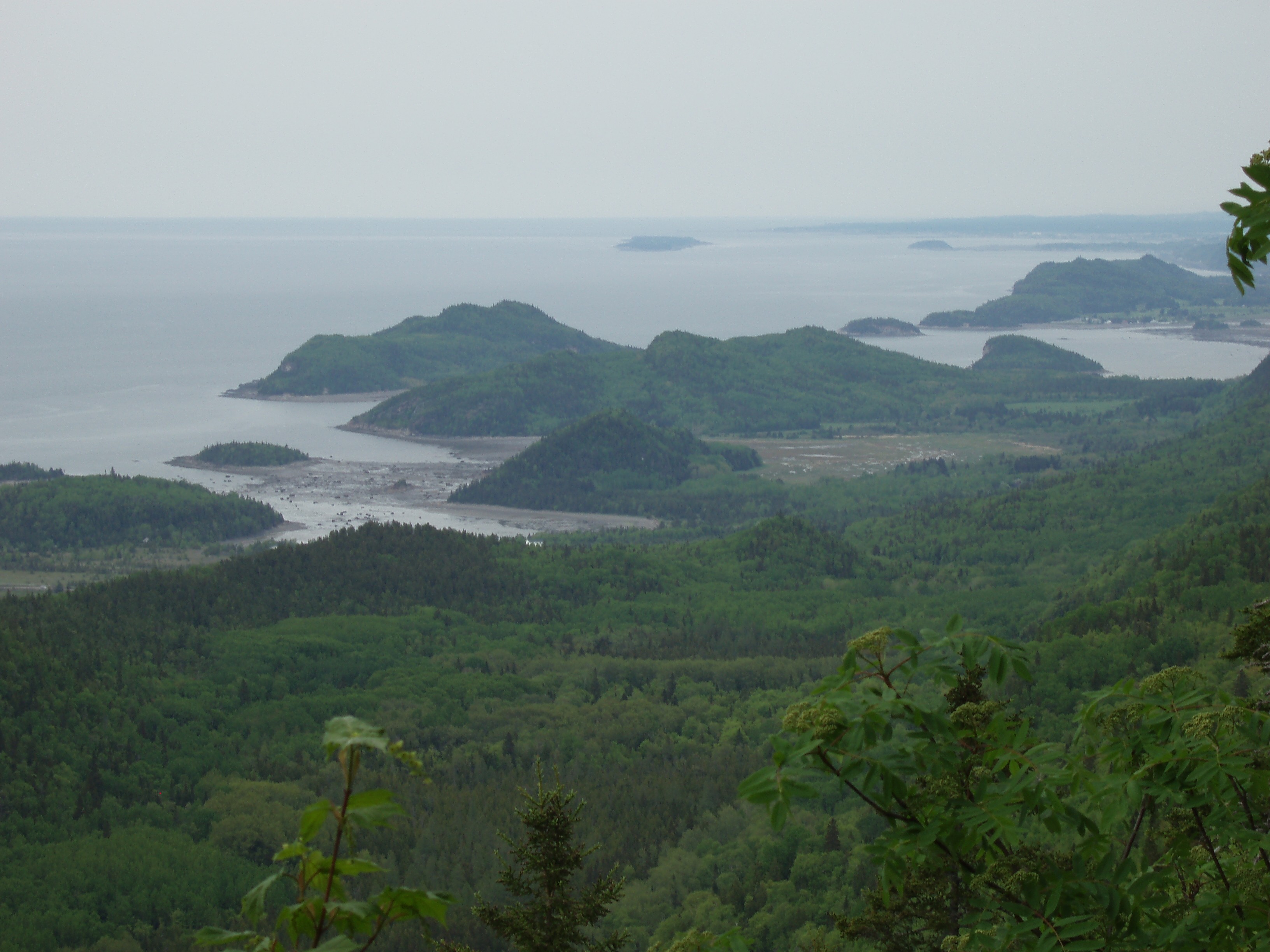
Québec, CA
You might spot White-Tailed Deer, Harbor Seal, and Common Eider.
View guide →
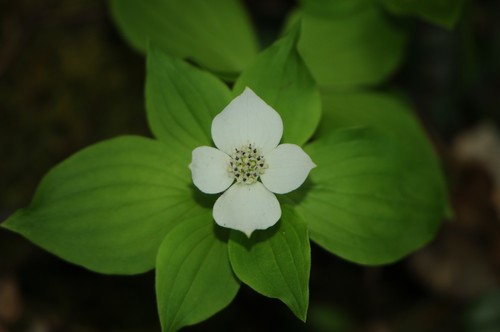
Maine, US
You might spot Canadian Bunchberry, Osprey, and Saltmarsh Greenhead Flies.
View guide →
Take the discovery with you
Snap it with Snappit to identify it, learn what makes it special, and add the discovery to your collection.








.jpg&width=800)



_001.jpg&width=800)



