_(8616886668).jpg&width=800)





Seabeach Evening-primrose
Oenothera humifusa
The Seabeach Evening-primrose is a lovely flower that blooms in the evening. Its bright yellow petals open up to greet the night and attract nighttime pollinators like moths.
Habitat: Coastal areas
The Seabeach Evening-primrose is a low-growing, sprawling plant with bright lemon-yellow flowers that open in the evening. Its delicate petals are often flushed with red at the base, and it forms dense mats on sandy ground, distinguishing it from taller primroses.
Category
PlantsRarity
Common
Danger
1/5 · Very low
Snaps
2
Its delicate flowers change color, fading from bright yellow to warm orange-red!
Its tough seeds can float on ocean currents to colonize new beaches!
This hardy plant helps hold shifting sand dunes together, preventing erosion!
Tiny hairs on its leaves help it capture precious moisture from humid sea air!
Seabeach Evening-primrose can spread its roots and stems widely, helping it anchor in loose beach sand and survive strong winds.
Seabeach Evening-primrose has flowers that open at dusk, specifically attracting nocturnal moths to pollinate them.
This plant can tolerate salty sea spray, having evolved ways to manage high salt content in its tissues.
Hyles lineata
Feeds on nectar, aiding in evening pollination.
Manduca sexta
An important nocturnal visitor for pollination.
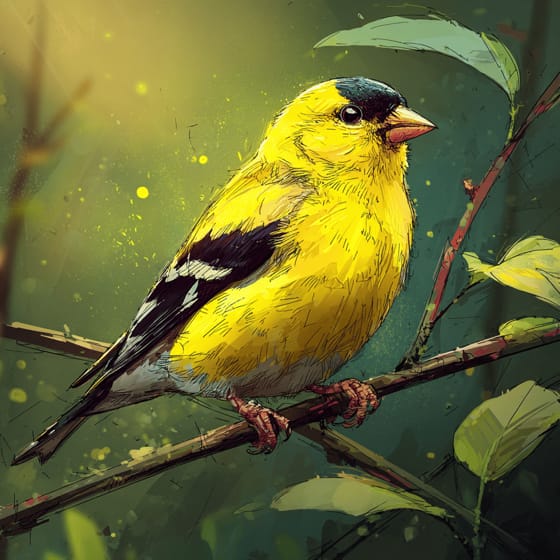
Carduelis tristis
Forages for small seeds from dried flower heads.
Flowering plants are any plants that produce flowers as part of their reproductive cycle.
Fragrant flowers emit a pleasant aroma, often to attract pollinators or for defense.
Night blooming plants open their flowers after sunset, often to attract nocturnal pollinators with their scent and appearance.
Drought-tolerant plants can survive and flourish in conditions with limited water availability.

Describes plants that are particularly attractive and beneficial to a wide range of pollinating organisms.

Coastal habitats are dynamic environments located along the interface between land and sea, influenced by tides, waves, and saltwater.
No aliases listed yet.
Danger
1/5 · Very low
Always look but don't pick flowers, so everyone can enjoy them!
The easiest way to identify Seabeach Evening-primrose is to use the Snappit nature identifier app.
5-30 cm
30-90 cm
2-4 cm
Summer
Yes
None
Annual
Zoom in to split clusters and explore where this object has been snapped.

Virginia, US
You might spot Yellow-Crowned Night Heron, Laughing Gull, and Royal Tern.
View guide →

US
You might spot Atlantic Horseshoe Crab and American Oystercatcher.
View guide →

Maryland, US
You might spot Domestic Horse, Sanderling, and Atlantic Ghost Crab.
View guide →
Take the discovery with you
Snap it with Snappit to identify it, learn what makes it special, and add the discovery to your collection.








.jpg&width=800)


_001.jpg&width=800)




