_-_Flickr_-_brewbooks.jpg&width=800)





Oregon Beaked Moss
Kindbergia oregana
Oregon Beaked Moss is a soft, green plant that loves to grow in shady, damp places. It looks like tiny green pillows and helps keep the forest healthy by holding water and providing homes for tiny creatures.
Habitat: Forests
The Oregon Beaked Moss is a vibrant, emerald-green moss forming soft, dense mats on forest floors, rocks, and logs. It has distinct, beak-like tips on its delicate shoots, giving it a characteristic feathery, somewhat shiny appearance that makes it stand out from coarser mosses.
Category
PlantsRarity
Common
Danger
1/5 · Very low
Snaps
2
It can completely dry out and look dead, then spring back to life with rain!
Many tiny insects and critters make their homes tucked inside its leafy green carpet!
Mosses were among the first plants to grow on land millions of years ago!
This moss doesn't have true roots, it uses tiny rhizoids to anchor itself!
Oregon Beaked Moss can absorb and hold many times its weight in water, helping keep its forest home moist for other plants.
Oregon Beaked Moss helps prevent soil erosion by forming dense mats that grip the ground, protecting delicate forest soil.
Oregon Beaked Moss reproduces using tiny spores, which can be carried by the wind to colonize new damp places far away.
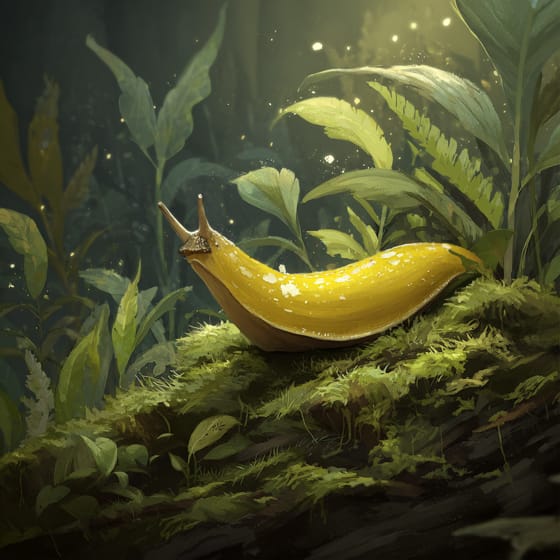
Ariolimax columbianus
Grazes on its soft, leafy tissues.
Pseudotsuga menziesii
Grows on its fallen logs and base, using tree for shade.
Formica rufa
Ants sometimes build nests within dense moss mats.
_001.jpg&width=800)
Polystichum munitum
Both thrive in the same moist, shady forest environment.
This trait characterizes plants lacking specialized vascular tissues (xylem and phloem) for transporting water and nutrients.
Shade tolerant plants are adapted to grow and thrive in areas with low light levels, requiring less direct sunlight.
Describes a relationship between two different species where they live in close association, often benefiting one or both.
Describes organisms that break down dead organic material, recycling nutrients back into the ecosystem.

Forest habitats are terrestrial environments dominated by dense tree cover, supporting a high diversity of plant and animal life.

Describes a species whose presence and role have a disproportionately large effect on its environment.
No aliases listed yet.
Danger
1/5 · Very low
It's safe to touch, but remember to be gentle with plants.
The easiest way to identify Oregon Beaked Moss is to use the Snappit nature identifier app.
1-10 cm
5-30 cm
No
None
Perennial
Forests
Zoom in to split clusters and explore where this object has been snapped.

US
You might spot Variable Carpet Moth, Bald Eagle, and Red Huckleberry.
View guide →

British Columbia, CA
You might spot Salal, Red Huckleberry, and Leather Star.
View guide →
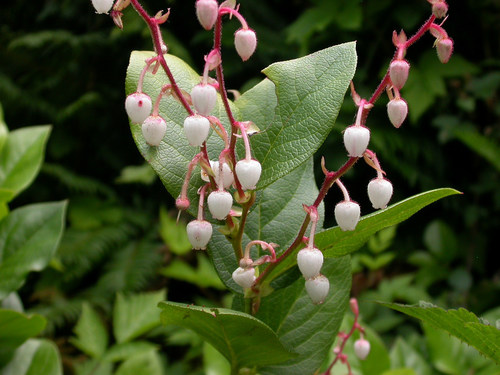
British Columbia, CA
You might spot Salal, Small Ground-Cone, and Evergreen Huckleberry.
View guide →

British Columbia, CA
You might spot Salal, Douglas Fir, and Western Rattlesnake Plantain.
View guide →
Take the discovery with you
Snap it with Snappit to identify it, learn what makes it special, and add the discovery to your collection.








.jpg&width=800)






