%2C_parque_nacional_de_Amboseli%2C_Kenia%2C_2024-05-23%2C_DD_13.jpg&width=800)




Secretarybird
Sagittarius serpentarius
The Secretarybird is a tall bird with long legs and a unique hairstyle of feathers on its head. It loves to hunt snakes and other small animals in the grasslands and savannas.
Habitat: Savannas
The Secretarybird is a tall, slender bird with a grey body, black flight feathers, and distinct long, crane-like legs. It has a bare orange-red face patch and a unique crest of black quill-like feathers on its head, making it truly stand out.
Category
BirdsRarity
Common
Danger
2/5 · Low
Snaps
Be the first to snap!
Its name comes from its feather crest looking like old quill pens tucked behind an ear!
These birds build huge nests, sometimes over 2 meters wide, in flat-topped trees!
They often hunt in pairs, covering vast areas of grassland together for prey.
Unlike most birds of prey, Secretarybirds hunt primarily on foot, rarely flying when hunting!
Secretarybird can stomp snakes and other prey with its powerful, scaled legs to stun or kill them, making hunting efficient.
Secretarybird has incredibly long legs that help it see over tall savanna grasses, allowing it to spot hidden prey from afar.
Secretarybird can run at impressive speeds up to 30 km/h, allowing it to chase down fast-moving prey across open grasslands.
This big bird is a carnivore that mostly eats snakes, insects, and small mammals it stomps on.
Age differences: Young birds eat regurgitated food from parents, gradually moving to insects before larger prey.
Bitis arietans
Predatory bird stomps this venomous snake for food.
Mastomys natalensis
Frequently preys on this common rodent in grasslands.
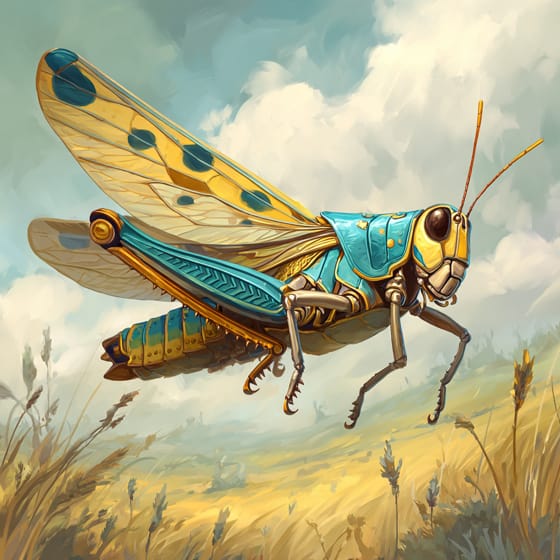
Locusta migratoria
Consumes large numbers of these insects, especially young birds.
Canis mesomelas
Opportunistically preys on eggs and chicks from nests.
Feathered describes animals, primarily birds, possessing a covering of feathers.
Crested describes animals possessing a prominent tuft of feathers, hair, or skin on their head.
Social animals live in organized groups, cooperating for survival benefits such as foraging, defense, and raising offspring.
Grassland habitats are terrestrial biomes dominated by grasses and herbaceous plants, supporting a variety of grazing animals.

This habitat trait denotes species native to savannas, which are grasslands with scattered trees, typically found in tropical or subtropical regions with distinct wet and dry seasons.

An ambush predator hunts by patiently waiting and concealing itself, then launching a sudden attack when unsuspecting prey comes within range.

This trait identifies organisms whose diet consists entirely or primarily of animal tissue.

Diurnal animals are primarily active during daylight hours, typically resting or sleeping at night.

This trait identifies organisms that exhibit exceptional swiftness in movement for hunting, escape, or travel.
No aliases listed yet.
Danger
2/5 · Low
Watch from a distance and don't try to touch wild birds.
The easiest way to identify Secretarybird is to use the Snappit nature identifier app.
112-150 cm
191-212 cm
2.3-4.2 kg
10-15 years
30 km/h
This big bird is a carnivore that mostly eats snakes, insects, and small mammals it stomps on.
Savannas
Zoom in to split clusters and explore where this object has been snapped.
Recent snaps will appear here as new observations are added.
Take the discovery with you
Snap it with Snappit to identify it, learn what makes it special, and add the discovery to your collection.




.jpg&width=800)







