





Semnopithecus entellus
Semnopithecus entellus
The Hanuman langur is a playful monkey with long arms and a beautiful gray coat. They love to swing through trees and are often seen in groups, making them fun to watch!
Habitat: Forests
The Semnopithecus entellus has a light gray to brownish-gray fur coat, a distinctive dark black face, and prominent brows. Its long, slender tail is often held in a graceful arch, typically longer than its body.
Category
MammalsRarity
Common
Danger
2/5 · Low
Snaps
Be the first to snap!
Hanuman langurs are considered sacred animals in some parts of India!
These monkeys often share babysitting duties, called 'alloparenting,' within their groups!
They spend much of their day resting and digesting their leafy meals.
Young langurs are born with dark brown fur that lightens to gray as they grow.
Semnopithecus entellus has a multi-chambered stomach that helps them digest tough leaves, allowing them to eat plants others can't.
Semnopithecus entellus can leap impressive distances between branches because their strong leg muscles and long tail help them balance mid-air.
Semnopithecus entellus can use varied alarm calls to warn others about different predators, helping the whole group stay safe.
Mostly eats leaves, but also enjoys fruits, flowers, buds, and even some insects.
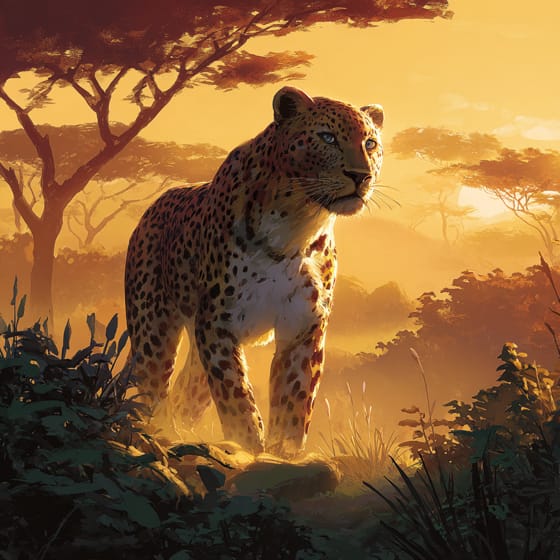
Panthera pardus
A major predator, leopards ambush langurs in their forest habitats.
Canis aureus
Jackals prey on smaller or young langurs, especially on the ground.
Ficus religiosa
Langurs frequently forage on the leaves and fruits of this sacred fig tree.
Acacia nilotica
Provides leaves, pods, and flowers, which are important parts of their diet.
Furry describes animals possessing a dense covering of soft hair or fur.
Social animals live in organized groups, cooperating for survival benefits such as foraging, defense, and raising offspring.
Arboreal animals live primarily in trees, utilizing them for shelter, food, and protection from predators.
This trait characterizes organisms whose diet consists entirely or primarily of plant material.

This trait describes organisms that manipulate external objects to achieve a specific goal.

Forest habitats are terrestrial environments dominated by dense tree cover, supporting a high diversity of plant and animal life.

Diurnal animals are primarily active during daylight hours, typically resting or sleeping at night.

Endangered status indicates a species is at a very high risk of extinction in the wild in the near future.
Danger
2/5 · Low
Always watch monkeys from a distance and never try to feed them.
The easiest way to identify Semnopithecus entellus is to use the Snappit nature identifier app.
45-75 cm
8-20 kg
18-25 years
35 km/h
Mostly eats leaves, but also enjoys fruits, flowers, buds, and even some insects.
Forests
Foraging
Zoom in to split clusters and explore where this object has been snapped.
Recent snaps will appear here as new observations are added.
Take the discovery with you
Snap it with Snappit to identify it, learn what makes it special, and add the discovery to your collection.




.jpg&width=800)

.JPG&width=800)


.jpg&width=800)
