





serpentine fern
Aspidotis densa
The serpentine fern is a beautiful plant with curly, green leaves that look like little waves. It loves to grow in shady places and adds a touch of magic to gardens and forests.
Habitat: Forests
The serpentine fern is a small, tough plant with stiff, leathery fronds that can appear bluish-green. Its triangular leaves often grow in dense clumps, emerging from rocky crevices, giving it a unique, rugged look. It stands out visually due to its dark, compact form amidst bare rock.
Category
PlantsRarity
Common
Danger
1/5 · Very low
Snaps
Be the first to snap!
Instead of flowers and seeds, this fern makes tiny dust-like spores to reproduce!
It loves rocky soils that are full of metals like nickel, which most plants cannot tolerate!
Its fronds are super tough, almost like leather, helping it survive in harsh places.
Some people call it a 'cliff brake' because it often grows on rocky cliffs.
Serpentine fern can thrive in special soils high in heavy metals, an adaptation that helps it survive where most plants can't grow.
This fern has tough, leathery fronds that help it lose less water, allowing it to survive long, dry periods in rocky habitats.
Serpentine fern has strong roots that help it grip tightly onto tiny cracks in rocks, anchoring it securely against wind.
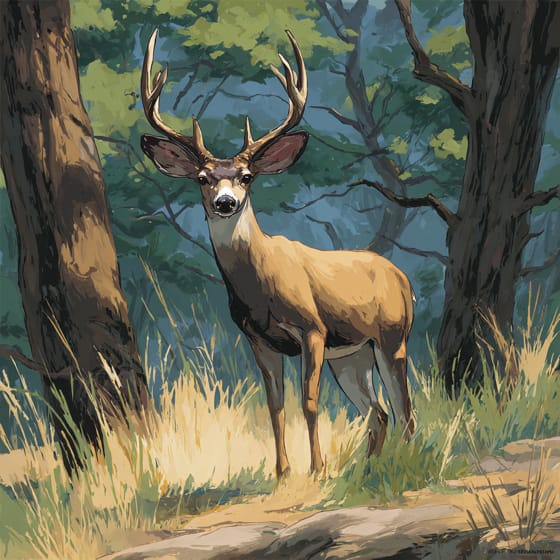
Odocoileus hemionus
May browse on fronds if other food is scarce.
Rhizophagus irregularis
Partners with roots to absorb nutrients.
Canyonella coactata
Provides shade and moisture for small invertebrates.
Ornamental plants are cultivated primarily for their aesthetic appeal, enhancing landscapes and gardens with their attractive foliage, flowers, or form.
Grass-like plants are herbaceous plants that visually resemble true grasses, typically having long, narrow leaves.
Shade tolerant plants are adapted to grow and thrive in areas with low light levels, requiring less direct sunlight.
Evergreen plants retain their foliage throughout the year, never shedding all their leaves at once.

Describes organisms that break down dead organic material, recycling nutrients back into the ecosystem.

Forest habitats are terrestrial environments dominated by dense tree cover, supporting a high diversity of plant and animal life.
No aliases listed yet.
Danger
1/5 · Very low
Always look but don't touch wild plants, as some can be prickly or make you itchy.
The easiest way to identify serpentine fern is to use the Snappit nature identifier app.
5-30 cm
10-40 cm
No
None
Perennial
Forests
Zoom in to split clusters and explore where this object has been snapped.
Recent snaps will appear here as new observations are added.

British Columbia, CA
You might spot Western Rattlesnake Plantain and Fairy-Slipper.
View guide →
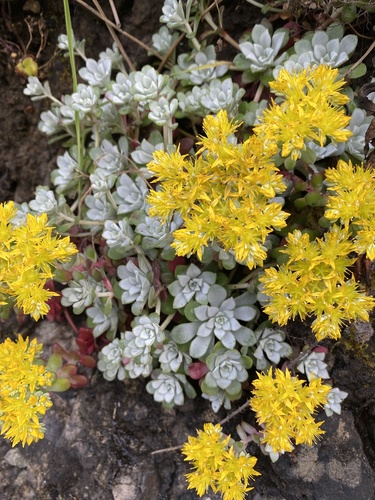
British Columbia, CA
You might spot Broad-Leaved Stonecrop and Western Rattlesnake Plantain.
View guide →
Take the discovery with you
Snap it with Snappit to identify it, learn what makes it special, and add the discovery to your collection.








.jpg&width=800)



_001.jpg&width=800)


