





annual polemonium
Polemonium micranthum
The annual polemonium is a lovely flower that blooms in bright colors. It has soft, feathery leaves and can be found in meadows and open areas, adding beauty to nature's canvas.
Habitat: Meadows
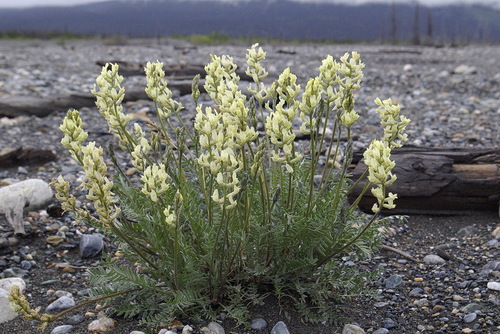
The annual polemonium has delicate, cup-shaped flowers typically displaying shades of pale blue to white, sometimes with purple veins. Its feather-like leaves, arranged like a ladder, grow from slender stems, forming a small, often sprawling plant.
Category
PlantsRarity
Common
Danger
1/5 · Very low
Snaps
Be the first to snap!
It loves growing in disturbed places, like roadsides or recently cleared land!
Its scientific name, 'micranthum,' means "small-flowered," just like its tiny blooms!
Some people call it "Jacob's Ladder" because its leaves look like rungs!
The fragile flowers usually open for only a single day, a fleeting beauty!
Annual polemonium can complete its entire life cycle from seed to flower to seed in just one year, helping it thrive in habitats with short growing seasons.
Annual polemonium has tough seeds that can stay dormant in the soil for many years, waiting for the perfect conditions to sprout.
Annual polemonium has very small, pale flowers that attract specific tiny bees and flies, ensuring its pollination even with its delicate blooms.

Bombus vosnesenskii
Carries pollen between its small flowers.
Apis mellifera
Visits flowers for nectar and pollen.

Melanoplus differentialis
Feeds on its leaves and tender stems.
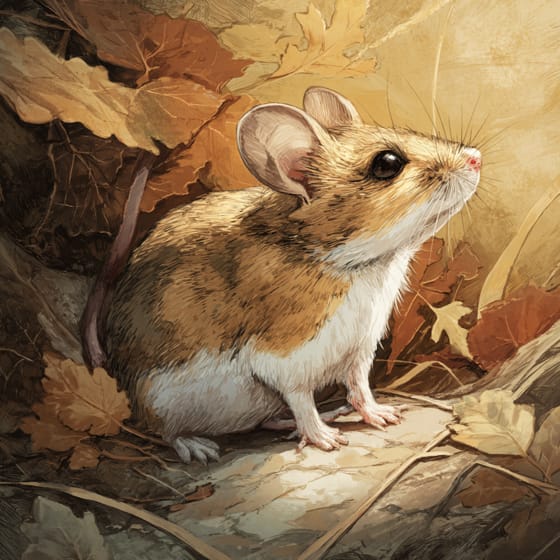
Peromyscus maniculatus
Consumes its tiny seeds, helping to disperse them.
Flowering plants are any plants that produce flowers as part of their reproductive cycle.
Spring blooming plants produce their flowers during the spring season, often signifying the end of winter and the start of new growth.
Fragrant flowers emit a pleasant aroma, often to attract pollinators or for defense.
Colorful describes organisms or objects displaying a wide range of bright and distinct colors.

Grassland habitats are terrestrial biomes dominated by grasses and herbaceous plants, supporting a variety of grazing animals.

Describes plants that are particularly attractive and beneficial to a wide range of pollinating organisms.
No aliases listed yet.
Danger
1/5 · Very low
Always look at flowers but don't pick them, as they are homes for many tiny creatures.
The easiest way to identify annual polemonium is to use the Snappit nature identifier app.
5-30 cm
10-20 cm
0.5-1 cm
Spring to early Summer (April-July)
No
None
Annual
Zoom in to split clusters and explore where this object has been snapped.
Recent snaps will appear here as new observations are added.
Take the discovery with you
Snap it with Snappit to identify it, learn what makes it special, and add the discovery to your collection.








.jpg&width=800)


_001.jpg&width=800)




