





serviceberries
Amelanchier
Serviceberries are small shrubs that produce sweet, berry-like fruits. They bloom with beautiful white flowers in spring, making them a lovely sight in gardens and parks.
Habitat: Forests
The serviceberry is a deciduous shrub or small tree with smooth, gray bark. It has delicate white flowers that appear in early spring before its oval, green leaves emerge. Later, it produces small, round, reddish-purple berries that resemble blueberries.
Category
PlantsRarity
Common
Danger
1/5 · Very low
Snaps
Be the first to snap!
Serviceberries belong to the rose family, making them cousins to apples and pears!
Some types are known as Saskatoon berries, a tasty treat often found in Canadian desserts!
These berries are surprisingly packed with more antioxidants than blueberries!
They are called 'serviceberries' because their early blooms signaled ground thawed for church services!
Serviceberries can bloom very early in spring, producing flowers when many other plants are still dormant, which attracts early pollinators.
Serviceberries has nutrient-rich fruits that provide essential food for a wide variety of birds and mammals, aiding seed dispersal.
Serviceberries can tolerate a wide range of soil types and climates, helping it thrive in diverse environments across North America.
Apis mellifera
Visits early spring flowers for nectar and pollen.
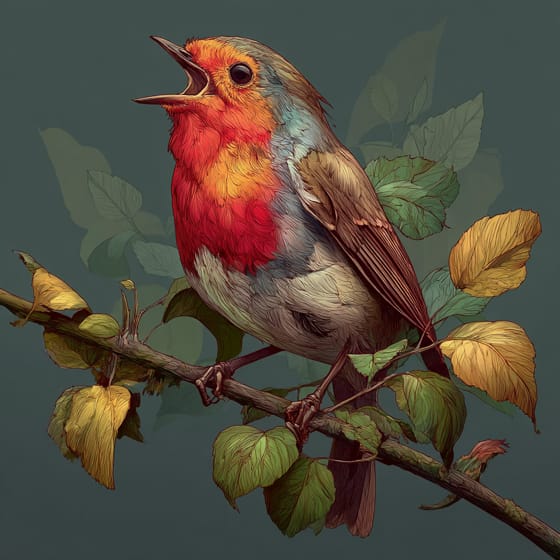
Turdus migratorius
Devours ripe berries, helping spread seeds through its droppings.
Ursus americanus
Eats the sweet, nutrient-rich fruits as a summer food source.
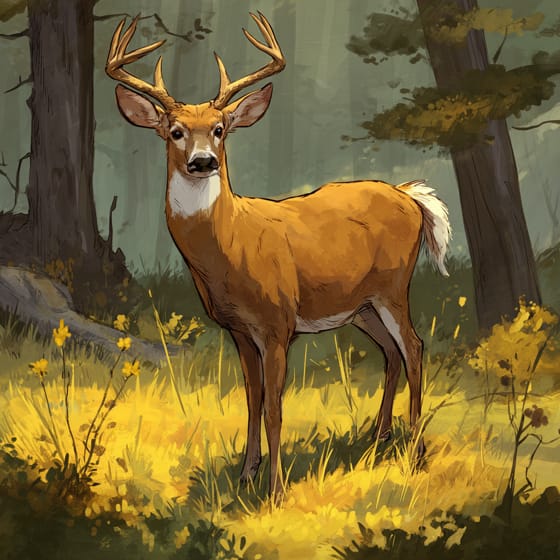
Odocoileus virginianus
Browses on the leaves and young shoots of the plant.
Deciduous plants periodically shed all their leaves, typically during autumn or dry seasons.
Flowering plants are any plants that produce flowers as part of their reproductive cycle.
A shrub is a woody plant smaller than a tree, typically with multiple stems branching from or near the ground.
Spring blooming plants produce their flowers during the spring season, often signifying the end of winter and the start of new growth.

Fruit-bearing plants produce fruits, which are the mature ovaries of flowering plants containing seeds.

Edible plants are those parts of a plant that are considered safe for human consumption.

Describes plants that are particularly attractive and beneficial to a wide range of pollinating organisms.

Forest habitats are terrestrial environments dominated by dense tree cover, supporting a high diversity of plant and animal life.

Describes a species whose presence and role have a disproportionately large effect on its environment.
No aliases listed yet.
Danger
1/5 · Very low
Always ask an adult before picking and eating any berries.
The easiest way to identify serviceberries is to use the Snappit nature identifier app.
100-1500 cm
100-800 cm
1-2 cm
Spring
Yes
None
Perennial
Zoom in to split clusters and explore where this object has been snapped.
Recent snaps will appear here as new observations are added.
Take the discovery with you
Snap it with Snappit to identify it, learn what makes it special, and add the discovery to your collection.








.jpg&width=800)



_001.jpg&width=800)



