.jpg&width=800)





Shingleback
Tiliqua rugosa
Shinglebacks are fun, chunky lizards with a bumpy, blue tail that looks like a head! They are friendly and often seen sunbathing on warm rocks.
Habitat: Grasslands
The Shingleback is a stout-bodied lizard with large, keeled, and rough scales that resemble pinecones or roof shingles. Its coloration varies from brown to dark brown, often with lighter bands across its back. It possesses a distinctive short, stumpy tail that looks remarkably similar to its head.
Category
ReptilesRarity
Common
Danger
1/5 · Very low
Snaps
Be the first to snap!
Shinglebacks actually give birth to live babies, not eggs!
Their strong jaws help them easily crush snail shells and beetles.
These lizards can go for months without water, storing it in their bodies!
They often form a mating pair that stays together for many years!
Shinglebacks have a tail that looks like their head because this clever mimicry helps them confuse predators about which end to attack.
Shinglebacks are covered in tough, pinecone-like scales that help protect their body like natural armor from sharp teeth or claws.
Shinglebacks can stick out a large, bright blue tongue that helps them startle and warn off predators, making them think twice before attacking.
These lizards munch on plants, juicy fruits, insects, and snails for their meals.
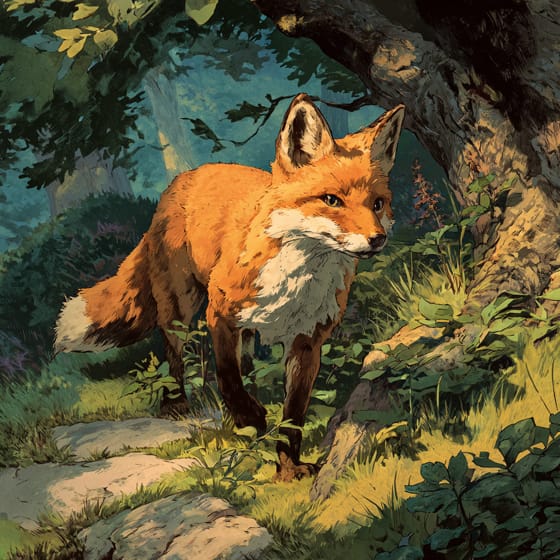
Vulpes vulpes
Introduced predator causing population declines.
Aquila audax
Hunted by this large bird of prey.

Helix aspersa
A favourite slow-moving invertebrate meal.
Solitary animals live alone for most of their lives, only interacting with others for mating or parental care.
Camouflaged describes organisms that possess coloring or patterns that allow them to blend into their environment.
Grassland habitats are terrestrial biomes dominated by grasses and herbaceous plants, supporting a variety of grazing animals.
This trait characterizes organisms whose diet consists entirely or primarily of plant material.
Thermoregulating organisms maintain a stable internal body temperature despite fluctuations in the external environment.

This trait characterizes organisms with an exceptionally long lifespan compared to others of their kind.

Armored describes animals protected by a hard, external covering or shell for defense.

Diurnal animals are primarily active during daylight hours, typically resting or sleeping at night.
Danger
1/5 · Very low
Always watch from a distance and don't try to touch wild lizards.
The easiest way to identify Shingleback is to use the Snappit nature identifier app.
25-35 cm
0.6-1.2 kg
10-30 years
1.5 km/h
These lizards munch on plants, juicy fruits, insects, and snails for their meals.
Grasslands
Foraging
Zoom in to split clusters and explore where this object has been snapped.
Recent snaps will appear here as new observations are added.
Take the discovery with you
Snap it with Snappit to identify it, learn what makes it special, and add the discovery to your collection.













