





Shinyleaf Meadowsweet
Spiraea lucida
Shinyleaf Meadowsweet is a lovely shrub with shiny leaves and pretty white flowers. It grows in wet areas and is great for attracting butterflies and bees!
Habitat: Wetlands
The Shinyleaf Meadowsweet is a medium-sized shrub with a rounded shape, featuring bright green, oval leaves that have a noticeably glossy, often tooth-edged surface. In summer, it produces showy, flat-topped clusters of tiny, five-petaled white flowers that cover the branches like snowy caps.
Category
PlantsRarity
Common
Danger
1/5 · Very low
Snaps
Be the first to snap!
In some places, people call it 'Birchleaf Spiraea' because its leaves look like birch leaves!
It can grow taller than many kids, sometimes reaching two meters high!
Its scientific name, 'lucida,' actually means shining or bright!
The clusters of its tiny white flowers can make an entire bush look like it's covered in snow!
Shinyleaf Meadowsweet produces many tiny white flowers in large, flat clusters, creating a big target to attract insects for pollination.
Shinyleaf Meadowsweet has notably glossy leaves that reflect some sunlight, which may help it conserve water and tolerate sunny locations.
Shinyleaf Meadowsweet can spread using underground stems called rhizomes, allowing it to quickly form dense patches and colonize new areas.
Apis mellifera
Feeds on nectar, aiding reproduction.
Bombus occidentalis
Collects pollen and nectar from flowers.
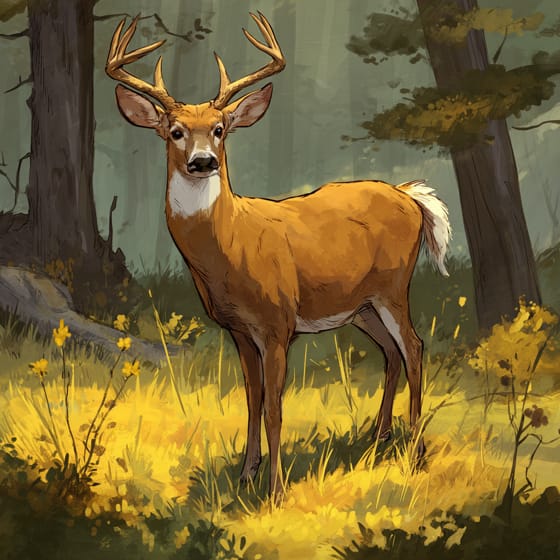
Odocoileus virginianus
Browses on the leaves and young stems.
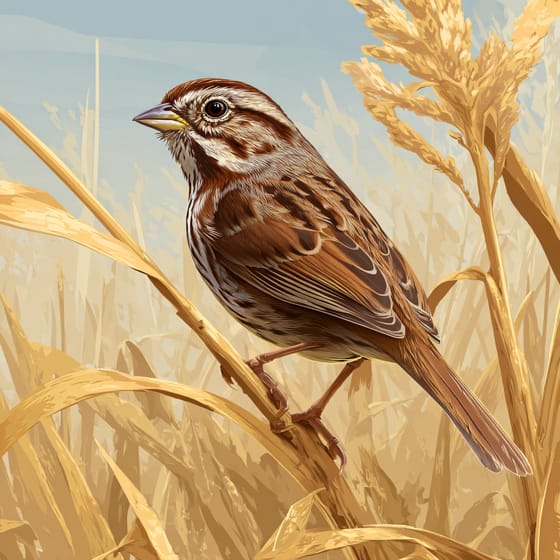
Melospiza melodia
Nests and finds cover within its dense foliage.
Deciduous plants periodically shed all their leaves, typically during autumn or dry seasons.
Flowering plants are any plants that produce flowers as part of their reproductive cycle.
A shrub is a woody plant smaller than a tree, typically with multiple stems branching from or near the ground.
Summer blooming plants produce their flowers during the summer season, often providing vibrant color when many other plants have finished.

Fragrant flowers emit a pleasant aroma, often to attract pollinators or for defense.

Edible plants are those parts of a plant that are considered safe for human consumption.

Describes plants that are particularly attractive and beneficial to a wide range of pollinating organisms.

This habitat trait identifies species found in wetlands, which are areas of land saturated with water, either permanently or seasonally, including marshes, swamps, and bogs.
No aliases listed yet.
Danger
1/5 · Very low
Always look but don't touch plants without asking an adult first.
The easiest way to identify Shinyleaf Meadowsweet is to use the Snappit nature identifier app.
100-200 cm
100-200 cm
0.5-1 cm
Summer
Yes
None
Perennial
Zoom in to split clusters and explore where this object has been snapped.
Recent snaps will appear here as new observations are added.

British Columbia, CA
You might spot Oregon Grape, Shinyleaf Meadowsweet, and Bush Penstemon.
View guide →
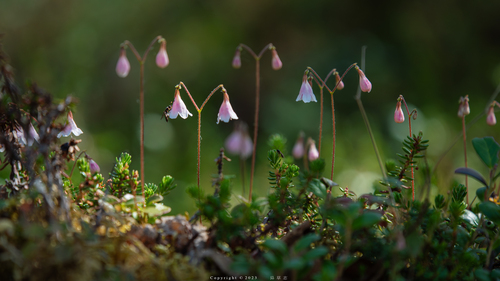
British Columbia, CA
You might spot Twinflower and Western Rattlesnake Plantain.
View guide →

British Columbia, CA
You might spot Western Rattlesnake Plantain and Shinyleaf Meadowsweet.
View guide →

British Columbia, CA
You might spot Shinyleaf Meadowsweet, Northern Checkerspot, and Fireweed.
View guide →
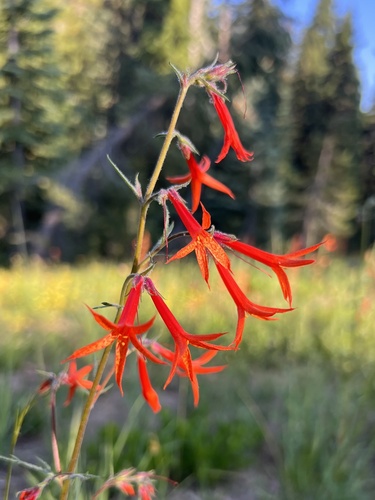
British Columbia, CA
You might spot Scarlet Gilia, Great Blanketflower, and Solomon's Plume.
View guide →
British Columbia, CA
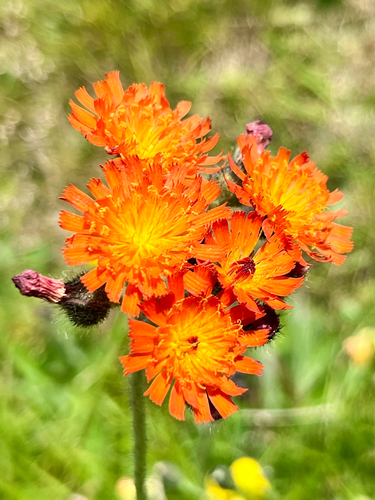
You might spot Orange Hawkweed, Shinyleaf Meadowsweet, and Columbia Lily.
View guide →
Take the discovery with you
Snap it with Snappit to identify it, learn what makes it special, and add the discovery to your collection.







.jpg&width=800)


_001.jpg&width=800)



