





common buckthorn
Rhamnus cathartica
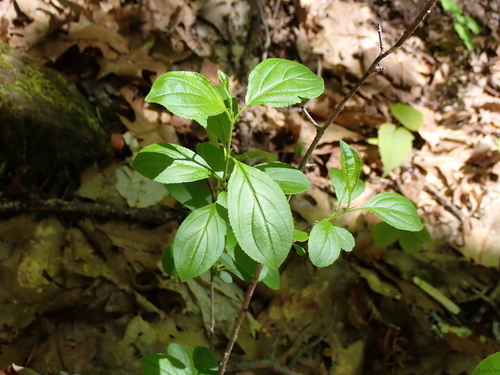
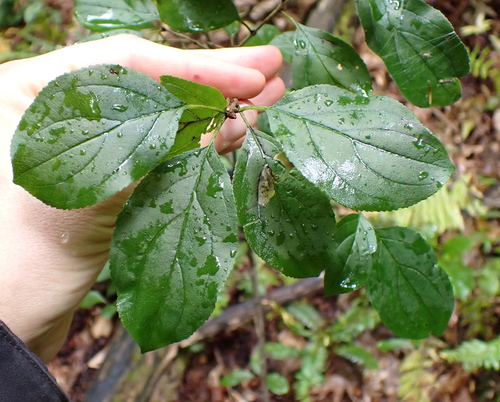
Common buckthorn is a bushy plant with dark green leaves and small black berries. It grows in many places and can be found in gardens and along roadsides.
Habitat: Urban areas
The common buckthorn is a tall, often multi-stemmed shrub or small tree with dark, ridged bark and small, oval, glossy dark green leaves. Its inconspicuous greenish-yellow flowers give way to clusters of small, black, berry-like fruits.
Category
PlantsRarity
Common
Danger
2/5 · Low
Snaps
18
Cut into its bark and you'll discover a secret bright orange layer underneath!
It sprouts leaves earlier and keeps them longer, hogging sunlight from nearby plants!
Its berries are like a natural laxative! Eating too many can cause an upset tummy.
This super tough plant can grow almost anywhere, from fields to deep forests!
Common buckthorn can rapidly spread across landscapes because its abundant berries are readily consumed and dispersed by birds.
Common buckthorn leaves emerge early and stay late, giving it a longer season to outcompete native plants.
Common buckthorn has sharp thorns at the end of its branches, which helps it defend against hungry herbivores.
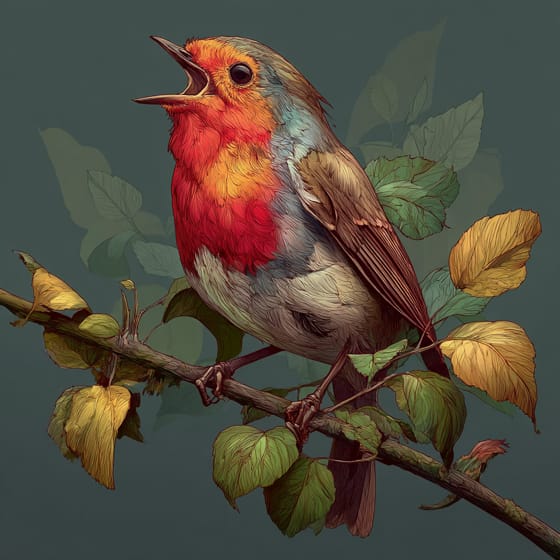
Turdus migratorius
Consumes berries, spreading seeds far and wide.
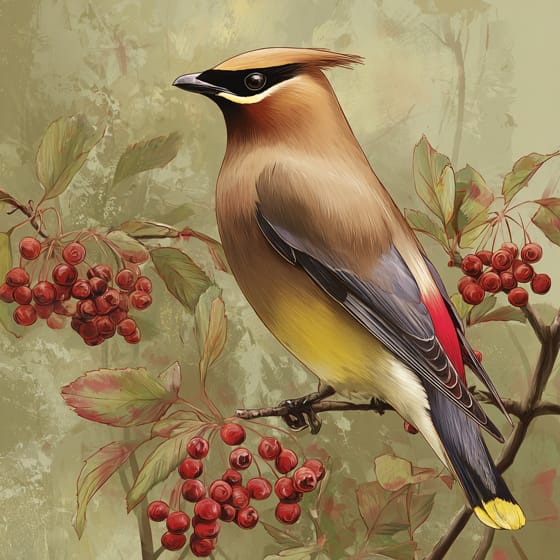
Bombycilla cedrorum
Feeds on ripe berries, helping the plant disperse.
Apis mellifera
Visits its small flowers for nectar and pollen.
Deciduous plants periodically shed all their leaves, typically during autumn or dry seasons.
A shrub is a woody plant smaller than a tree, typically with multiple stems branching from or near the ground.
This human use trait indicates species from which natural dyes can be extracted and used to color textiles, food, or other materials.
Fruit-bearing plants produce fruits, which are the mature ovaries of flowering plants containing seeds.

Pertaining to plants that have stems covered with sharp, pointed projections for defense.

Describes plants that are particularly attractive and beneficial to a wide range of pollinating organisms.

This habitat trait indicates species that can coexist with humans in urban and suburban environments, utilizing man-made structures and green spaces.

Invasive species are non-native organisms that cause harm to the environment, economy, or human health.
No aliases listed yet.
Danger
2/5 · Low
Don't eat the berries without asking an adult, as they can upset your tummy.
The easiest way to identify common buckthorn is to use the Snappit nature identifier app.
300-760 cm
300-450 cm
0.3-0.5 cm
Late spring to early summer
No
Moderate
Perennial
Zoom in to split clusters and explore where this object has been snapped.
May 17, 2026
Berkshire Botanical GardenPhoto attribution
no rights reserved
License: CC0 1.0 ↗
Image may be shown cropped inside the card frame.
Aug 29, 2025
Lower Village DistrictPhoto attribution
(c) Steven Lamonde, some rights reserved (CC BY)
License: CC BY 4.0 ↗
Image may be shown cropped inside the card frame.

Pennsylvania, US
You might spot Pinesap, Great Rhododendron, and Mountain Laurel.
View guide →

Massachusetts, US
You might spot Common Eastern Bumble Bee and Eastern Skunk Cabbage.
View guide →

Wisconsin, US
You might spot White-Tailed Deer, American Robin, and Canada Goose.
View guide →

Michigan, US
You might spot Hickory Tussock Moth, Mayapple, and Winged Euonymus.
View guide →

New York, US
You might spot Bald Eagle, Common Eastern Bumble Bee, and Tree-Of-Heaven.
View guide →

Michigan, US
You might spot Bald Eagle, American White Pelican, and Painted Turtle.
View guide →
Take the discovery with you
Snap it with Snappit to identify it, learn what makes it special, and add the discovery to your collection.








.jpg&width=800)


_001.jpg&width=800)




