





Shortpod Mustard
hirschfeldia incana
Shortpod Mustard is a lively little plant that adds a splash of yellow to fields and gardens. Its tiny pods are not only fun to spot but also important for the local wildlife!
Habitat: Dry, sunny fields and gardens
The Shortpod Mustard has slender, hairy stems reaching up to a meter tall, topped with clusters of tiny, bright yellow, four-petaled flowers. Its lower leaves are deeply lobed and dark green, while upper leaves are smaller and narrower, giving it a somewhat bushy yet open appearance distinct from broad-leafed mustards.
Category
PlantsRarity
Common
Danger
0/5 · No known danger
Snaps
Be the first to snap!
Its tiny seeds can stay dormant for many years, waiting for the perfect time to sprout!
Originating from Europe, it's now a successful traveler, thriving on many continents!
Some people use its peppery leaves to spice up their salads and sandwiches!
This super tough plant can grow almost anywhere, even cracking through pavement and sidewalks!
Shortpod Mustard has a deep taproot that helps it survive in dry soils by reaching water far below the surface.
Shortpod Mustard can produce thousands of tiny seeds that form a long-lasting seed bank, ensuring new plants emerge after disturbances.
Shortpod Mustard can release chemicals into the soil that inhibit the growth of other plants, helping it compete for space and resources.
Apis mellifera
Visits its bright yellow flowers.
Pieris rapae
Larvae feed on its leaves.
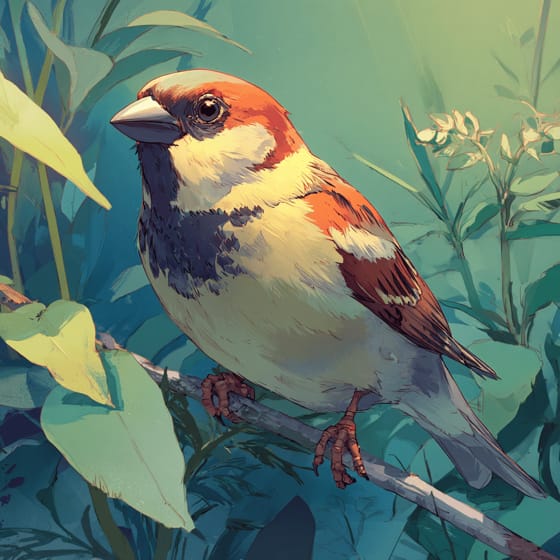
Passer domesticus
Feeds on its abundant seeds.
Colorful describes organisms or objects displaying a wide range of bright and distinct colors.
Grassland habitats are terrestrial biomes dominated by grasses and herbaceous plants, supporting a variety of grazing animals.
This trait characterizes organisms whose diet consists entirely or primarily of plant material.
Diurnal animals are primarily active during daylight hours, typically resting or sleeping at night.

Describes organisms that transfer pollen, enabling the fertilization and reproduction of plants.
Danger
0/5 · No known danger
Always check with an adult before touching or eating any plants.
The easiest way to identify Shortpod Mustard is to use the Snappit nature identifier app.
30-100 cm
20-50 cm
0.5-1 cm
Spring to Fall
Yes
None
Biennial
Zoom in to split clusters and explore where this object has been snapped.
Recent snaps will appear here as new observations are added.
Take the discovery with you
Snap it with Snappit to identify it, learn what makes it special, and add the discovery to your collection.









.jpg&width=800)



_001.jpg&width=800)




