





Ivy-leaved cyclamen
Cyclamen hederifolium
Ivy-leaved cyclamen is a beautiful flower with heart-shaped leaves and lovely pink or white blooms. It grows in cool, shady places and can brighten up the forest floor in autumn.
Habitat: Forests
The Ivy-leaved cyclamen has heart-shaped leaves, often mottled with silver patterns, resembling ivy. Its elegant flowers typically appear in shades of pink, purple, or white, featuring petals sharply swept back from a central 'nose'. They stand on slender stems, often nodding gracefully.
Category
PlantsRarity
Common
Danger
2/5 · Low
Snaps
Be the first to snap!
It's sometimes called 'Sowbread' because wild pigs love to dig up and eat its tubers!
Its seeds are carried away by ants, who get a tasty snack for their hard work!
The beautiful flowers bloom with their petals swept backward, like a tiny shuttlecock!
This plant can live for an amazingly long time; some tubers are over 100 years old!
Ivy-leaved cyclamen has a flower stem that coils like a spring after blooming, pulling its seed capsule to the ground for dispersal.
Ivy-leaved cyclamen can go dormant during hot, dry summers, surviving as an underground tuber until cooler, wetter weather returns.
Ivy-leaved cyclamen produces seeds with a sugary treat called an elaiosome, which attracts ants to carry and disperse them.
Bombus terrestris
collects nectar and pollen
Apis mellifera
visits flowers for nectar
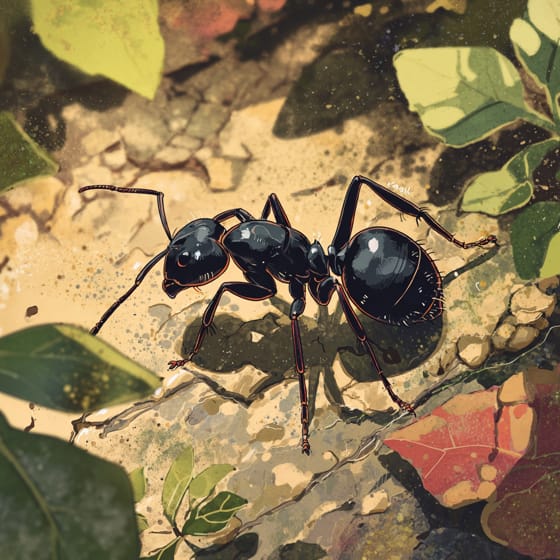
Lasius niger
disperses seeds for elaiosome
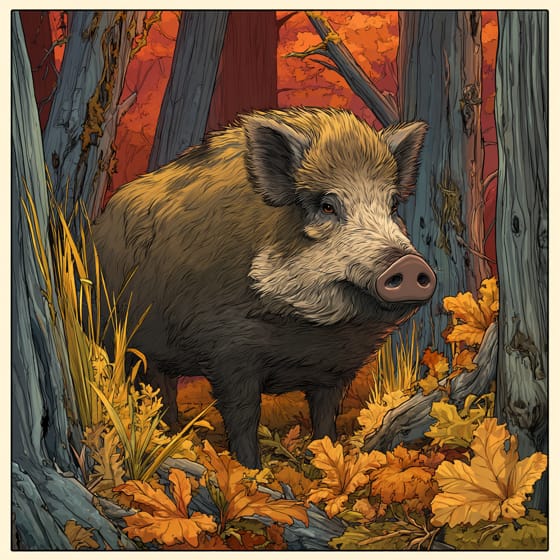
Sus scrofa
digs up and consumes tubers
Deciduous plants periodically shed all their leaves, typically during autumn or dry seasons.
Flowering plants are any plants that produce flowers as part of their reproductive cycle.
Ornamental plants are cultivated primarily for their aesthetic appeal, enhancing landscapes and gardens with their attractive foliage, flowers, or form.
Shade tolerant plants are adapted to grow and thrive in areas with low light levels, requiring less direct sunlight.

Colorful describes organisms or objects displaying a wide range of bright and distinct colors.

Fall color refers to the seasonal change in foliage pigmentation, primarily in deciduous plants, displaying vibrant hues.

Forest habitats are terrestrial environments dominated by dense tree cover, supporting a high diversity of plant and animal life.
No aliases listed yet.
Danger
2/5 · Low
Do not touch or eat any wild plants without asking an adult.
The easiest way to identify Ivy-leaved cyclamen is to use the Snappit nature identifier app.
10-15 cm
15-30 cm
2-3 cm
Late summer to fall
No
Moderate
Perennial
Zoom in to split clusters and explore where this object has been snapped.
Recent snaps will appear here as new observations are added.
Take the discovery with you
Snap it with Snappit to identify it, learn what makes it special, and add the discovery to your collection.




.jpg)


.jpg&width=800)



_001.jpg&width=800)



