





Sicus
Sicus
The Sicus is a unique insect known for its bright colors and interesting shape. It loves to hide in leaves and can be found in gardens and forests, making it a fun surprise to spot!
Habitat: Forests
The Sicus is a small, iridescent insect, often displaying vibrant metallic green or coppery-red hues across its segmented body. It has large, multifaceted eyes and distinctive, club-shaped antennae that protrude prominently from its head, setting it apart visually from other small beetles.
Category
InsectsRarity
Common
Danger
1/5 · Very low
Snaps
Be the first to snap!
A Sicus can fly backwards, a rare feat for insects!
Sicus larvae live underground for years before emerging as adults!
Some Sicus species communicate using tiny vibrations through leaves.
Their eyes have thousands of tiny lenses, creating a super-sight mosaic.
Sicus can rapidly change its cuticle's reflectivity because of specialized cells, helping it vanish into its environment.
Sicus has intricate tympanal organs that help it detect high-frequency sounds, enabling evasion from predators.
Sicus can regenerate lost limbs after molting because of its efficient cellular repair, helping it recover from injuries.
Sicus are plant-eaters, enjoying nectar, pollen, and even plant sap!
Age differences: Larvae feed on roots, while adults consume nectar and pollen.
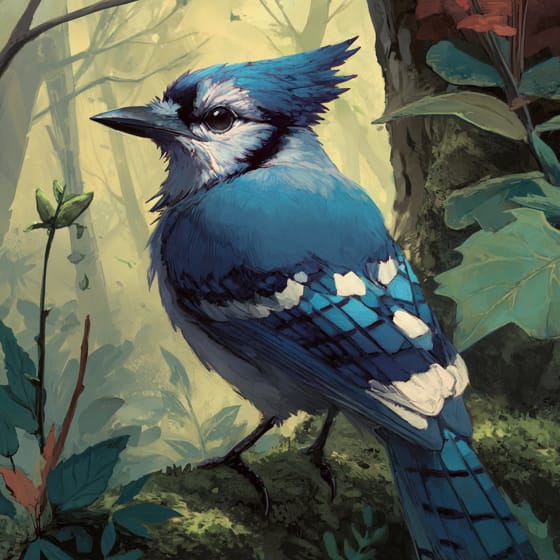
Cyanocitta cristata
A quick and colorful meal.

Trifolium pratense
Helps clover make new seeds.
Helianthus annuus
Feeds on its sweet nectar.
Solitary animals live alone for most of their lives, only interacting with others for mating or parental care.
Camouflaged describes organisms that possess coloring or patterns that allow them to blend into their environment.
Colorful describes organisms or objects displaying a wide range of bright and distinct colors.
This trait characterizes organisms whose diet consists entirely or primarily of plant material.

Forest habitats are terrestrial environments dominated by dense tree cover, supporting a high diversity of plant and animal life.

Diurnal animals are primarily active during daylight hours, typically resting or sleeping at night.

Describes a species whose presence and role have a disproportionately large effect on its environment.

Describes organisms that transfer pollen, enabling the fertilization and reproduction of plants.
No aliases listed yet.
Danger
1/5 · Very low
Always look but don't touch insects unless you know they are safe!
The easiest way to identify Sicus is to use the Snappit nature identifier app.
10-20 mm
5-10 mm
30-60 days
8 km/h
Sicus are plant-eaters, enjoying nectar, pollen, and even plant sap!
Forests
Foraging
Zoom in to split clusters and explore where this object has been snapped.
Recent snaps will appear here as new observations are added.
Take the discovery with you
Snap it with Snappit to identify it, learn what makes it special, and add the discovery to your collection.







.jpg&width=800)

