





Silver Cloud
Egira conspicillaris
The Silver Cloud is a beautiful moth with silver-gray wings that look like soft clouds. It flutters around at night, bringing a little magic to the dark.
Habitat: Forests
The Silver Cloud is a medium-sized moth with greyish-brown forewings, often featuring a distinctive, pale, kidney-shaped mark. This central mark sometimes has a darker outline, giving it a cloudy appearance. Its hindwings are paler, typically a uniform grey.
Category
InsectsRarity
Common
Danger
1/5 · Very low
Snaps
Be the first to snap!
It helps wildflowers by carrying pollen from flower to flower.
Its caterpillar can change color to match the plants it's eating!
The Silver Cloud moth uses fuzzy scales to stay warm on cool nights!
This moth has special 'ears' on its chest to hear bat squeaks!
Silver Cloud can disappear against tree bark because its mottled grey-brown wings mimic natural textures, helping it hide from predators.
Silver Cloud can find its way in the dark because it possesses excellent night vision and senses for locating food and mates after sunset.
Silver Cloud has a long, coiled proboscis that helps it sip sweet nectar from deep within flowers, fueling its nightly flights.
Silver Cloud can find mates over long distances because females release tiny chemical signals that males detect with their antennae.
Its caterpillars munch on plants, while the adults enjoy sweet flower nectar!
Age differences: Yes, caterpillars eat plant leaves, but adults primarily drink nectar.
Myotis myotis
Hunts moths, including Silver Clouds, at night.
%2C_Parc_de_Woluw%C3%A9%2C_Brussels_(13042792905).jpg&width=800)
Parus major
Forages for moth caterpillars and adults.
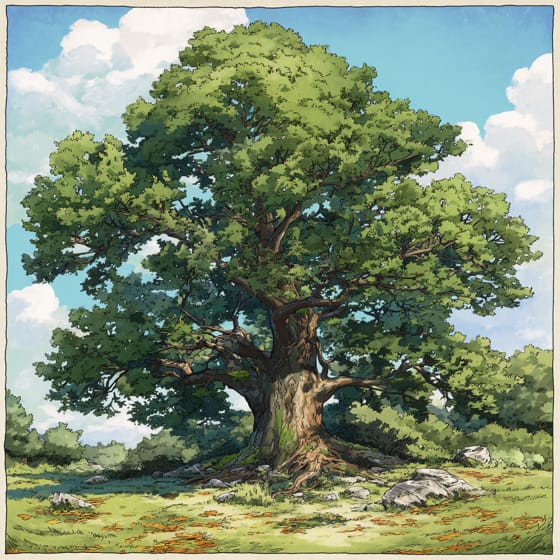
Quercus robur
Larva feeds on the leaves of this tree.
Lonicera periclymenum
Adult moths visit and pollinate its flowers.
Solitary animals live alone for most of their lives, only interacting with others for mating or parental care.
Camouflaged describes organisms that possess coloring or patterns that allow them to blend into their environment.
This trait characterizes organisms whose diet consists entirely or primarily of plant material.
Describes plants that are particularly attractive and beneficial to a wide range of pollinating organisms.

Forest habitats are terrestrial environments dominated by dense tree cover, supporting a high diversity of plant and animal life.

Nocturnal animals are primarily active during the nighttime hours, typically resting or sleeping during the day.

Describes organisms that transfer pollen, enabling the fertilization and reproduction of plants.
No aliases listed yet.
Danger
1/5 · Very low
Moths are gentle creatures, but it's best to observe them without touching.
The easiest way to identify Silver Cloud is to use the Snappit nature identifier app.
30-45 mm
12-18 mm
7-21 days
12 km/h
Its caterpillars munch on plants, while the adults enjoy sweet flower nectar!
Forests
Foraging
Zoom in to split clusters and explore where this object has been snapped.
Recent snaps will appear here as new observations are added.
Take the discovery with you
Snap it with Snappit to identify it, learn what makes it special, and add the discovery to your collection.








.jpg&width=800)



