





Silver-spotted Tiger Moth
Lophocampa argentata
The Silver-spotted Tiger Moth is a beautiful insect with soft, furry wings. It has silver spots that make it look like it's wearing a fancy coat. These moths are often seen flying at night and are attracted to lights.
Habitat: Urban areas, Gardens, Forests
The Silver-spotted Tiger Moth has bright yellow forewings covered in irregular black spots and striking, metallic silver-white patches. Its body is yellow with black dots, and its hindwings are a plain, light yellow. This combination of bold colors makes it stand out.
Category
InsectsRarity
Common
Danger
1/5 · Very low
Snaps
10
Adult Silver-spotted Tiger Moths have no mouthparts and don't eat at all!
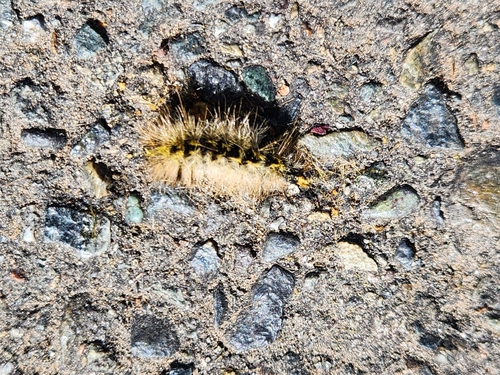
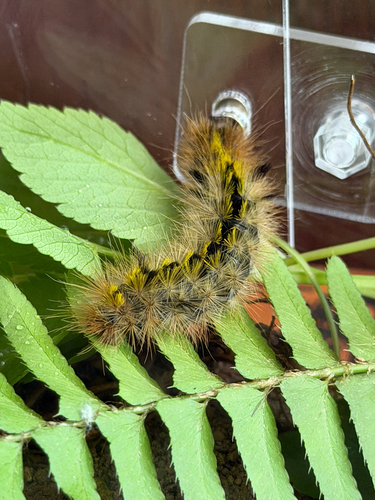
Its 'woolly bear' caterpillar can survive freezing by making natural antifreeze!
The dazzling silver spots on its wings aren't just pretty, they actually shimmer like metal!
When threatened, its hairy caterpillar can roll into a tight ball for protection!
Silver-spotted Tiger Moth caterpillars have spiky hairs that make them prickly and unappetizing to most predators.
The adult moth has metallic silver spots on its wings that can flash in light, possibly confusing predators.
Silver-spotted Tiger Moths can fly without eating because they store all their energy as caterpillars.
Caterpillars munch on conifer needles, while adult moths don't eat at all!
Age differences: Caterpillars feed on conifer needles; adults do not feed.
Pseudotsuga menziesii
Caterpillars feed on its needles.
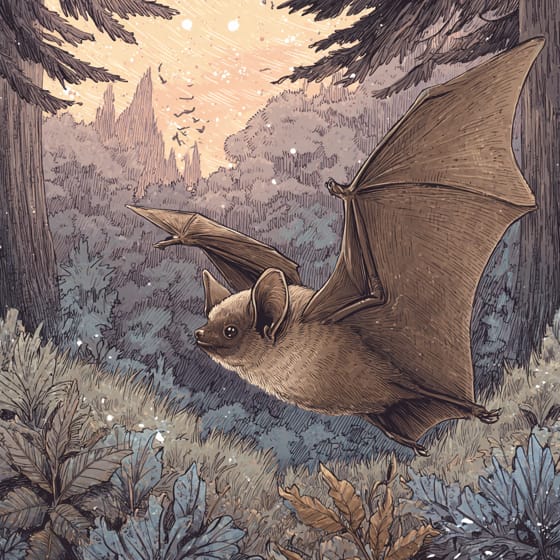
Myotis lucifugus
Bats are nocturnal predators of moths.
Phorocera rusti
Its larvae develop inside the moth caterpillar.
Furry describes animals possessing a dense covering of soft hair or fur.
Marked with spots or patches of a different color.
Solitary animals live alone for most of their lives, only interacting with others for mating or parental care.
Camouflaged describes organisms that possess coloring or patterns that allow them to blend into their environment.

Colorful describes organisms or objects displaying a wide range of bright and distinct colors.

This trait characterizes organisms whose diet consists entirely or primarily of plant material.

Forest habitats are terrestrial environments dominated by dense tree cover, supporting a high diversity of plant and animal life.

This habitat trait indicates species that can coexist with humans in urban and suburban environments, utilizing man-made structures and green spaces.

Nocturnal animals are primarily active during the nighttime hours, typically resting or sleeping during the day.

Describes organisms that transfer pollen, enabling the fertilization and reproduction of plants.
No aliases listed yet.
Danger
1/5 · Very low
Moths are usually safe to watch, but don't touch them as they can be delicate.
The easiest way to identify Silver-spotted Tiger Moth is to use the Snappit nature identifier app.
30-40 mm
15-20 mm
7-14 days
Caterpillars munch on conifer needles, while adult moths don't eat at all!
Urban areas, Gardens, Forests
Foraging
6
Zoom in to split clusters and explore where this object has been snapped.
Jun 17, 2026
Marymoor ParkPhoto attribution
no rights reserved
License: CC0 1.0 ↗
Image may be shown cropped inside the card frame.
May 27, 2026
Cushman DamPhoto attribution
no rights reserved
License: CC0 1.0 ↗
Image may be shown cropped inside the card frame.

Washington, US
You might spot Barrow's Goldeneye and Pacific Banana Slug.
View guide →

Washington, US
You might spot Rock Pigeon, Great Blue Heron, and Duck.
View guide →

British Columbia, CA
You might spot Vanilla Leaf, Western Maidenhair Fern, and Salal.
View guide →

Washington, US
You might spot Tiger, Walrus, and Polar Bear.
View guide →

Washington, US
You might spot Pacific Tree Frog, Pacific Banana Slug, and Salal.
View guide →

Washington, US
You might spot Thimbleberry, Modesty, and Arctic Butterbur.
View guide →
Take the discovery with you
Snap it with Snappit to identify it, learn what makes it special, and add the discovery to your collection.







.jpg&width=800)


