





Silver-studded Blue
Plebejus argus
The Silver-studded Blue is a small butterfly with beautiful blue wings and tiny silver dots. They love to flit around flowers and are often found in sunny spots.
Habitat: Grasslands
The Silver-studded Blue is a small butterfly with males displaying vibrant sky-blue wings, while females are brown with orange spots and a subtle blue wash. Both sexes feature a distinctive row of metallic 'silver studs' along the edges of their hindwings, making them unique.
Category
InsectsRarity
Common
Danger
1/5 · Very low
Snaps
Be the first to snap!
Adult butterflies have taste buds on their feet to find the sweetest flower nectar.
Males display bright blue wings when flying, but often hide them when resting to camouflage.
Some female butterflies lay eggs that perfectly mimic plant seeds to hide them from hungry birds.
Their caterpillars actually 'talk' to ants using tiny vibrations and chemical signals!
Silver-studded Blue larvae can secrete a sweet liquid that attracts and rewards ants, protecting them from predators.
Silver-studded Blue butterflies have specialized dark scales that help them absorb sunlight efficiently, warming them for flight.
Silver-studded Blue males have tiny scales that release a special perfume to attract females from a distance.
Adults sip flower nectar; caterpillars munch on plants.
Age differences: Larvae feed on leaves and flowers of host plants, while adults primarily consume nectar from various wildflowers.
Lotus corniculatus
A primary larval food plant.

Calluna vulgaris
Another significant host plant for caterpillars.
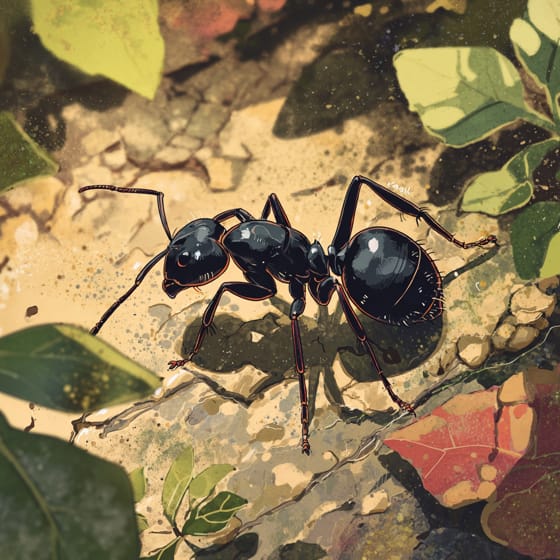
Lasius niger
Ants protect larvae for their sugary secretions.
%2C_Parc_de_Woluw%C3%A9%2C_Brussels_(13042792905).jpg&width=800)
Parus major
A common bird predator of adult butterflies.
Social animals live in organized groups, cooperating for survival benefits such as foraging, defense, and raising offspring.
Colorful describes organisms or objects displaying a wide range of bright and distinct colors.
Grassland habitats are terrestrial biomes dominated by grasses and herbaceous plants, supporting a variety of grazing animals.
This trait characterizes organisms whose diet consists entirely or primarily of plant material.

Describes plants that are particularly attractive and beneficial to a wide range of pollinating organisms.

Diurnal animals are primarily active during daylight hours, typically resting or sleeping at night.

Pertaining to species that are significantly smaller than typical or average for their kind.

Describes organisms that transfer pollen, enabling the fertilization and reproduction of plants.
No aliases listed yet.
Danger
1/5 · Very low
Be gentle and watch butterflies from a distance so you don't scare them away.
The easiest way to identify Silver-studded Blue is to use the Snappit nature identifier app.
25-35 mm
10-14 mm
14-21 days
Adults sip flower nectar; caterpillars munch on plants.
Grasslands
Foraging
6
Zoom in to split clusters and explore where this object has been snapped.
Recent snaps will appear here as new observations are added.
Take the discovery with you
Snap it with Snappit to identify it, learn what makes it special, and add the discovery to your collection.







.jpg&width=800)



