





Sistrurus miliarius streckeri
Sistrurus miliarius streckeri
The Eastern Massasauga is a small, shy snake that likes to hide in tall grass and wetlands. It has beautiful patterns on its skin that help it blend in with the ground.
Habitat: Wetlands
The Sistrurus miliarius streckeri is a relatively small rattlesnake, typically gray or light brown with distinct dark, irregular blotches along its back, often outlined in cream. A dark stripe usually extends from its eye to the corner of its jaw, distinguishing it from other small snakes.
Category
ReptilesRarity
Common
Danger
3/5 · Moderate
Snaps
Be the first to snap!
Its rattle is so tiny, sometimes you can barely hear it!
Some call them 'Swamp Rattlers' for their love of wet areas!
These snakes are born live, not hatched from eggs!
They wiggle their tails to attract small lizards to catch!
Sistrurus miliarius streckeri rapidly vibrates its tail to create a rattling sound, warning predators to stay away.
Sistrurus miliarius streckeri has mottled skin that helps them blend seamlessly into their habitat, avoiding detection.
Sistrurus miliarius streckeri can 'see' heat using pit organs, allowing them to hunt warm-blooded prey in total darkness.
A small carnivore, it hunts frogs, mice, and other tiny creatures with venom.
Age differences: Young eat more lizards and insects, adults prefer small rodents.
%2C_Vorderansich.jpg&width=800)
Lithobates sphenocephalus
A primary prey item in its wetland habitats.

Peromyscus leucopus
Frequently ambushes these rodents in grassy areas.
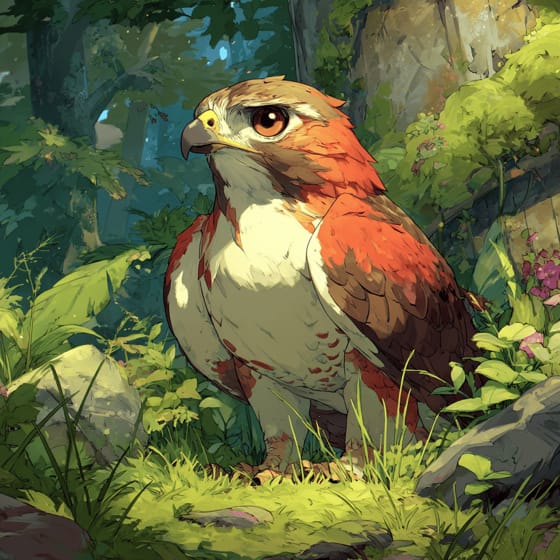
Buteo jamaicensis
Young snakes are vulnerable to aerial predators like this hawk.
Didelphis virginiana
Opportunistic predators that may consume young snakes.
Marked with spots or patches of a different color.
Solitary animals live alone for most of their lives, only interacting with others for mating or parental care.
Camouflaged describes organisms that possess coloring or patterns that allow them to blend into their environment.
An ambush predator hunts by patiently waiting and concealing itself, then launching a sudden attack when unsuspecting prey comes within range.

This habitat trait identifies species found in wetlands, which are areas of land saturated with water, either permanently or seasonally, including marshes, swamps, and bogs.

This trait identifies organisms whose diet consists entirely or primarily of animal tissue.

Nocturnal animals are primarily active during the nighttime hours, typically resting or sleeping during the day.

Venomous organisms produce toxins that are injected into another animal, typically through a bite or sting.

Endangered status indicates a species is at a very high risk of extinction in the wild in the near future.
Danger
3/5 · Moderate
If you see a snake, it's best to stay back and not touch it. Snakes can be scared and might bite if they feel threatened.
The easiest way to identify Sistrurus miliarius streckeri is to use the Snappit nature identifier app.
38-76 cm
0.1-0.25 kg
8-15 years
3.5 km/h
A small carnivore, it hunts frogs, mice, and other tiny creatures with venom.
1.5 km/h
Wetlands
Zoom in to split clusters and explore where this object has been snapped.
Recent snaps will appear here as new observations are added.
Take the discovery with you
Snap it with Snappit to identify it, learn what makes it special, and add the discovery to your collection.















