





Six-Banded Armadillo
euphractus sexcinctus
The Six-Banded Armadillo is a small, cute creature known for its unique shell. It loves to dig in the ground and can roll into a ball when it feels scared!
Habitat: Grasslands and forests in South America.
The Six-Banded Armadillo has a yellowish-brown to dark brown body with a pale belly. Its most distinctive feature is its armor-plated shell, featuring six flexible bands across its back. It has short legs, a long, pointed snout, and small eyes.
Category
MammalsRarity
Common
Danger
0/5 · No known danger
Snaps
Be the first to snap!
A Six-Banded Armadillo can eat up to 200,000 ants and termites daily!
Their name "armadillo" means "little armored one" in Spanish!
They have a surprisingly low body temperature compared to most mammals!
They use their long, sticky tongue to slurp up insects fast!
Six-Banded Armadillos can dig burrows and forage for food with powerful claws and strong legs that help them excavate soil rapidly.
Six-Banded Armadillos can hold their breath for several minutes, allowing them to cross shallow water bodies by walking on the bottom.
Six-Banded Armadillos have an excellent sense of smell that helps them locate insects, roots, and other food items hidden underground.
These omnivores love to dig for insects, fruits, roots, and even scavenge for bits of carrion.
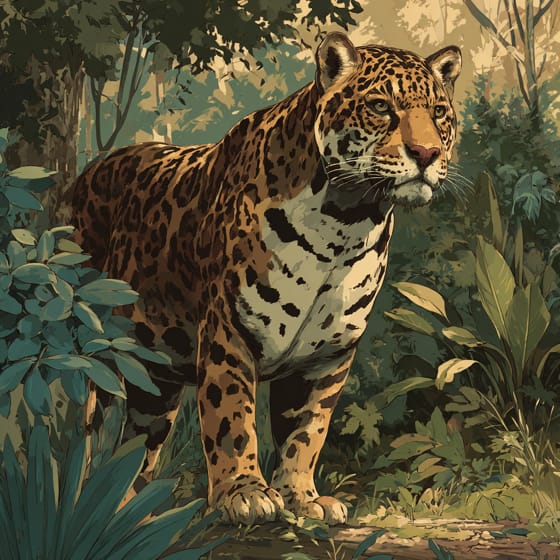
Panthera onca
A primary predator
Puma concolor
Hunts these armadillos
Formica rufa
A common food source
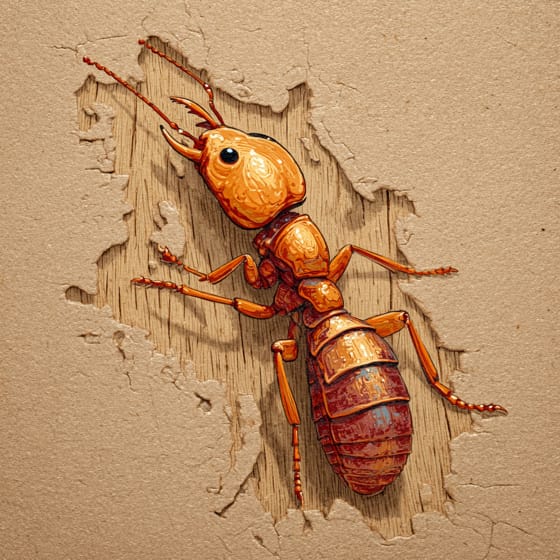
Cornitermes cumulans
Eats these termites
Marked with spots or patches of a different color.
Solitary animals live alone for most of their lives, only interacting with others for mating or parental care.
Burrowing animals dig tunnels and chambers in the ground, using these subterranean structures for shelter, hunting, or breeding.
This trait identifies organisms whose diet consists entirely or primarily of animal tissue.

Nocturnal animals are primarily active during the nighttime hours, typically resting or sleeping during the day.
Danger
0/5 · No known danger
No special safety notes yet.
The easiest way to identify Six-Banded Armadillo is to use the Snappit nature identifier app.
55-75 cm
3-6.5 kg
10-15 years
18 km/h
These omnivores love to dig for insects, fruits, roots, and even scavenge for bits of carrion.
Grasslands and forests in South America.
Foraging
Zoom in to split clusters and explore where this object has been snapped.
Recent snaps will appear here as new observations are added.
Take the discovery with you
Snap it with Snappit to identify it, learn what makes it special, and add the discovery to your collection.





.jpg&width=800)




.JPG&width=800)


.jpg&width=800)
