





Pipistrelles
Pipistrellus
Pipistrelles are small bats that are great at flying! They use echolocation to find food in the dark, making them amazing nighttime hunters.
Habitat: Forests
The Pipistrelles is a tiny bat with dark brown to reddish-brown fur, a paler underside, and small, dark wings. It has a distinctive short, dog-like face and small ears. Its minute size and quick, erratic flight visually differentiate it from larger bat species.
Category
MammalsRarity
Common
Danger
2/5 · Low
Snaps
Be the first to snap!
A Pipistrelle's heart can beat over 1000 times a minute while flying!
Some Pipistrelle colonies can include thousands of bats roosting together!
These tiny bats can live over 10 years, amazing for their small size!
They can navigate perfectly in complete darkness, even avoiding thin wires!
Pipistrelles can 'see' using sound, sending out high-pitched squeaks to locate insects in complete darkness.
Pipistrelles have super agile wings that help them dart and weave, catching fast-moving insects mid-air.
Pipistrelles can enter torpor, lowering their body temperature and metabolism to save energy during cold periods.
Pipistrelles are expert aerial hunters, snatching small flying insects right out of the night sky.
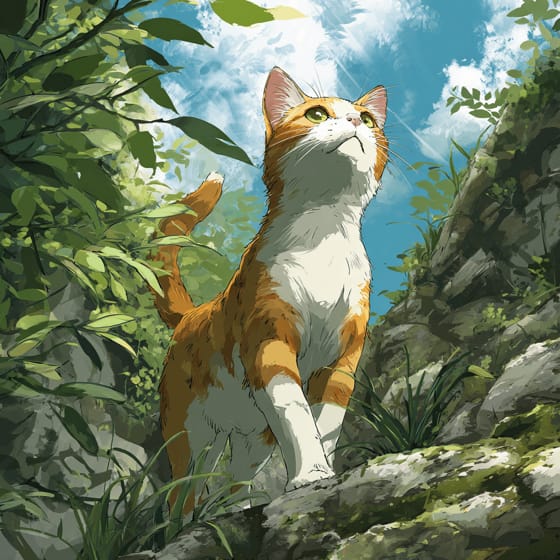
Felis catus
Cats frequently prey on bats near urban roosts.

Strix aluco
Nocturnal owls hunt bats flying out from roosts.

Martes foina
Marten can prey on bats within their roosting sites.
Chironomus plumosus
Major food source for Pipistrelles during summer.
Furry describes animals possessing a dense covering of soft hair or fur.
Aerial creatures spend a significant portion of their lives airborne, utilizing flight for various activities such as hunting, migration, or nesting.
This trait identifies organisms whose diet primarily consists of insects and other small invertebrates.
Echolocation is a biological sonar used by animals to navigate, hunt, and communicate by emitting sound waves and interpreting the echoes.

Forest habitats are terrestrial environments dominated by dense tree cover, supporting a high diversity of plant and animal life.

Describes a species whose presence and role have a disproportionately large effect on its environment.

Pertaining to species that are significantly smaller than typical or average for their kind.

This trait identifies organisms that exhibit exceptional swiftness in movement for hunting, escape, or travel.

Nocturnal animals are primarily active during the nighttime hours, typically resting or sleeping during the day.
No aliases listed yet.
Danger
2/5 · Low
If you see a bat, it's best to watch from a distance and not try to touch it.
The easiest way to identify Pipistrelles is to use the Snappit nature identifier app.
3.5-5.2 cm
18-25 cm
0.003-0.008 kg
4-10 years
50 km/h
Pipistrelles are expert aerial hunters, snatching small flying insects right out of the night sky.
Forests
Zoom in to split clusters and explore where this object has been snapped.
Recent snaps will appear here as new observations are added.
Take the discovery with you
Snap it with Snappit to identify it, learn what makes it special, and add the discovery to your collection.




.jpg&width=800)


.JPG&width=800)



.jpg&width=800)
