.jpg&width=800)





Skimmers
Libellulidae
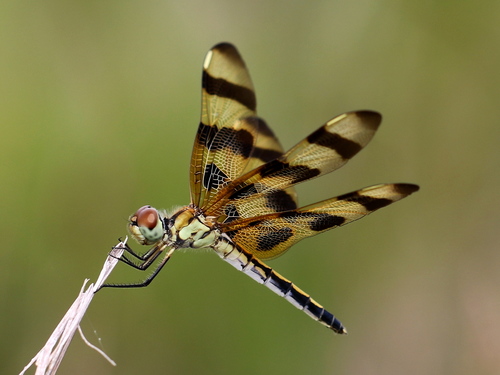
Skimmers are colorful dragonflies that love to fly over water. They have long bodies and wide wings, making them great at catching insects in the air.
Habitat: Wetlands
The Skimmers are medium-sized dragonflies, often with a stout body and large, prominent eyes. They display diverse colors, from reds and blues to browns and yellows, sometimes with patterned wings. Their broad, flattened abdomen often helps distinguish them from other dragonfly types.
Category
InsectsRarity
Common
Danger
1/5 · Very low
Snaps
Be the first to snap!
A Skimmer can snatch a mosquito out of the air and eat it without even landing!
Skimmer babies, called nymphs, live underwater for up to five years before they can fly!
Skimmers are one of the fastest insects, able to fly at speeds up to 45 kilometers per hour!
Some Skimmers are expert long-distance travelers, migrating thousands of kilometers across oceans!
Skimmers have nearly 360-degree vision because their massive compound eyes help them spot prey and predators from almost any direction.
Skimmers can fly forwards, backwards, and hover in mid-air because their four independent wings allow for incredibly precise maneuverability.
Skimmers can quickly devour their prey because they possess strong, serrated mouthparts perfect for tearing up insects mid-flight.
Skimmers are aerial predators, catching and eating other insects right out of the air!
Age differences: Nymphs hunt aquatic insects and tadpoles underwater, while adults hunt flying insects.
Anopheles gambiae
Reduces mosquito populations, controlling disease.
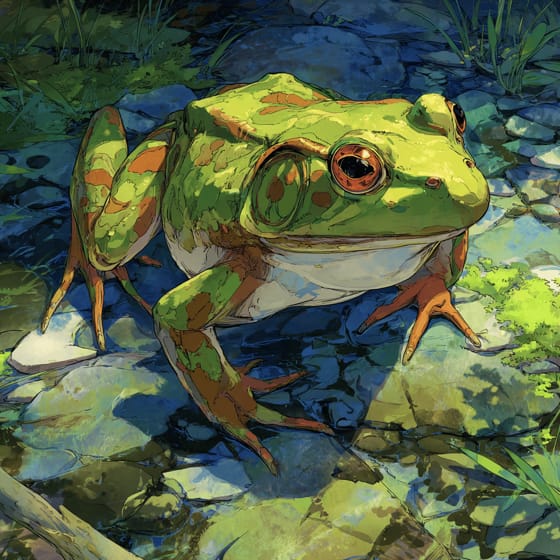
Rana catesbeiana
Larval skimmers are prey for larger aquatic predators.
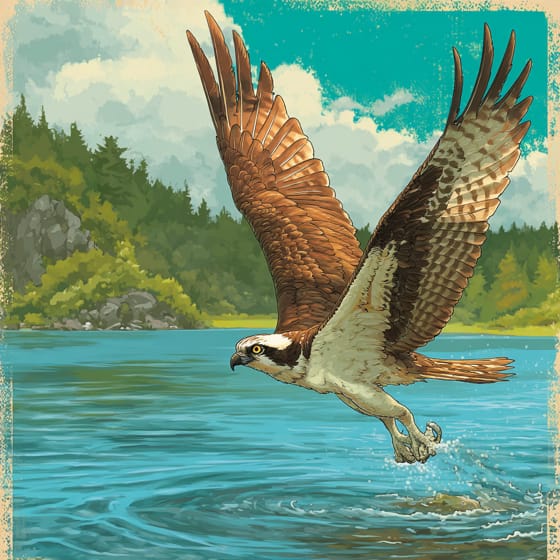
Pandion haliaetus
Adult skimmers are sometimes caught by birds.
Solitary animals live alone for most of their lives, only interacting with others for mating or parental care.
Aerial creatures spend a significant portion of their lives airborne, utilizing flight for various activities such as hunting, migration, or nesting.
Colorful describes organisms or objects displaying a wide range of bright and distinct colors.
This trait identifies organisms whose diet primarily consists of insects and other small invertebrates.

This habitat trait identifies species found in wetlands, which are areas of land saturated with water, either permanently or seasonally, including marshes, swamps, and bogs.

Diurnal animals are primarily active during daylight hours, typically resting or sleeping at night.

This trait identifies organisms that exhibit exceptional swiftness in movement for hunting, escape, or travel.

Describes organisms that transfer pollen, enabling the fertilization and reproduction of plants.
No aliases listed yet.
Danger
1/5 · Very low
Skimmers are harmless, but it's best to watch them from a distance.
The easiest way to identify Skimmers is to use the Snappit nature identifier app.
40-110 mm
25-90 mm
30-180 days
45 km/h
Skimmers are aerial predators, catching and eating other insects right out of the air!
Wetlands
Pursuit
Zoom in to split clusters and explore where this object has been snapped.
Recent snaps will appear here as new observations are added.
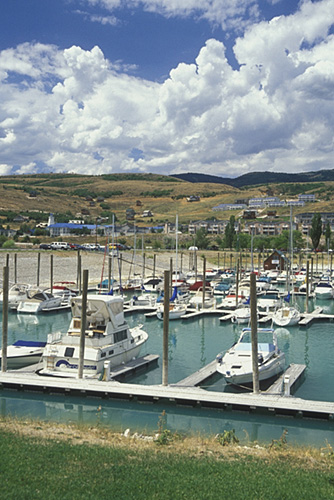
Utah, US
You might spot Canada Goose, Redstem Stork's-Bill, and American Robin.
View guide →
South Carolina, US
You might spot Skimmers, Bull Thistle, and Soft Rush.
View guide →
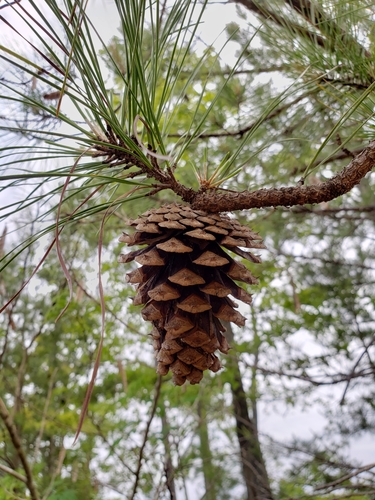
Virginia, US
You might spot Loblolly Pine, Fox Grape, and Sensitive Fern.
View guide →
Take the discovery with you
Snap it with Snappit to identify it, learn what makes it special, and add the discovery to your collection.








.jpg&width=800)



