





Elm Sphinx
Ceratomia amyntor
The Elm Sphinx is a special moth that loves to visit flowers at night. It has beautiful green and brown wings that help it blend in with leaves during the day.
Habitat: Forests
The Elm Sphinx is a large, stout-bodied moth with narrow, pointed forewings typically mottled in shades of brown and gray. Its forewings display wavy dark lines and a small white spot, while the hindwings are plainer grayish-brown. An inconspicuous 'eye spot' pattern can sometimes be seen.
Category
InsectsRarity
Common
Danger
1/5 · Very low
Snaps
6
Adult Elm Sphinx moths do not eat, living off energy stored as a caterpillar.
Before becoming a moth, the caterpillar burrows underground to transform into a pupa.
Elm Sphinx caterpillars have a fake 'horn' on their tail, but it's completely harmless!
These moths are strong flyers and can travel surprising distances across their habitat.
The Elm Sphinx can fly incredibly fast because of its powerful wing muscles, which helps them evade predators.
The Elm Sphinx caterpillar has a bumpy green body that helps them perfectly mimic twigs, camouflaging them from predators.
The Elm Sphinx has a long, uncoiling proboscis that helps them sip nectar from deep flowers like a straw.
As caterpillars, they munch on tree leaves; as adults, they don't eat anything!
Age differences: Only the caterpillar stage eats, feeding on tree leaves. Adults do not feed at all.
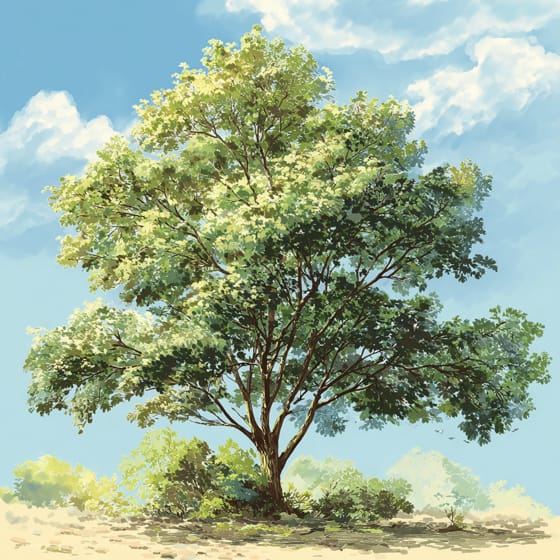
Ulmus americana
Larvae feed on the leaves of this host tree.
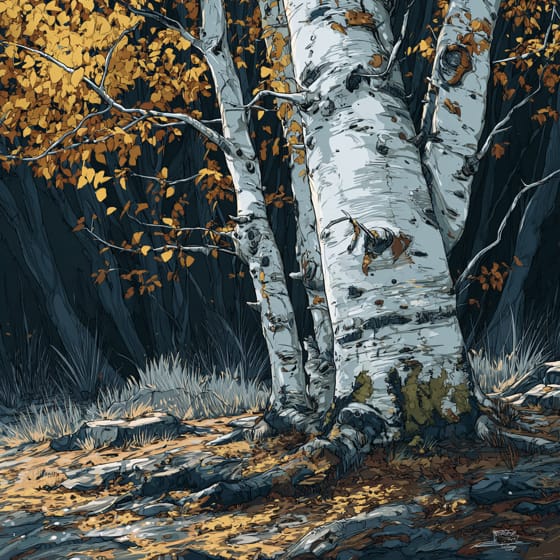
Betula papyrifera
Caterpillars munch on the leaves of this common tree.
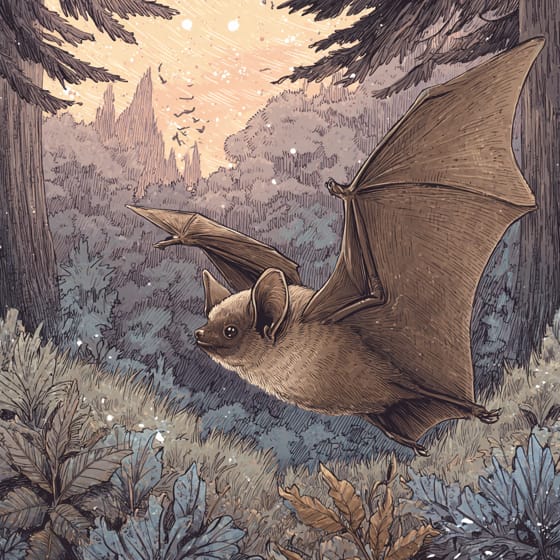
Myotis lucifugus
Adult moths are often hunted by these nocturnal predators.
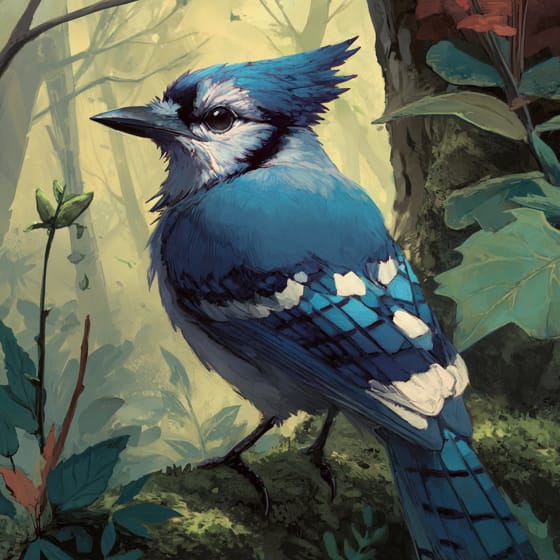
Cyanocitta cristata
Both caterpillars and adult moths can become bird prey.
Apanteles ceratomiae
Wasp larvae develop inside the Elm Sphinx caterpillar.
Camouflaged describes organisms that possess coloring or patterns that allow them to blend into their environment.
Colorful describes organisms or objects displaying a wide range of bright and distinct colors.
This trait characterizes organisms whose diet consists entirely or primarily of plant material.
Describes plants that are particularly attractive and beneficial to a wide range of pollinating organisms.

Forest habitats are terrestrial environments dominated by dense tree cover, supporting a high diversity of plant and animal life.

This trait identifies organisms that exhibit exceptional swiftness in movement for hunting, escape, or travel.

Nocturnal animals are primarily active during the nighttime hours, typically resting or sleeping during the day.

Describes organisms that transfer pollen, enabling the fertilization and reproduction of plants.
No aliases listed yet.
Danger
1/5 · Very low
Don't touch moths or caterpillars, as some can be delicate or might not like being handled.
The easiest way to identify Elm Sphinx is to use the Snappit nature identifier app.
75-115 mm
30-40 mm
7-14 days
35 km/h
As caterpillars, they munch on tree leaves; as adults, they don't eat anything!
Forests
Foraging
Zoom in to split clusters and explore where this object has been snapped.

Illinois, US
You might spot Carolina Mantis and Goldenrod Soldier Beetle.
View guide →

Ohio, US
You might spot Spotted Lanternfly and White-Tailed Deer.
View guide →

Tennessee, US
You might spot Monarch and Eastern Tiger Swallowtail.
View guide →

Quebec, CA
You might spot Eastern Gray Squirrel, House Sparrow, and Rock Pigeon.
View guide →

Iowa, US
You might spot Canada Goose, House Sparrow, and Duck.
View guide →

New Jersey, US
You might spot White-Tailed Deer and Spotted Lanternfly.
View guide →
Take the discovery with you
Snap it with Snappit to identify it, learn what makes it special, and add the discovery to your collection.








.jpg&width=800)


