





Slender Striped Robberfly
Leptogaster cylindrica
The Slender Striped Robberfly is a cool insect that loves to fly around and catch other bugs. With its long body and stripes, it looks like a tiny superhero of the sky!
Habitat: Grasslands
The Slender Striped Robberfly has a very thin, long body, often yellowish or brownish with subtle stripes. Its legs are notably long and delicate, making it look a bit like a stilt-walker. It possesses large, prominent eyes for spotting prey.
Category
InsectsRarity
Common
Danger
1/5 · Very low
Snaps
Be the first to snap!
Despite their fierce hunting skills, they are completely harmless to humans.
Even as a larva, this robberfly is a tiny predator, hunting in the soil!
Their giant eyes can see almost all around them, helping them never miss a meal!
They patiently wait on a leaf, then burst into action faster than a blink!
Slender Striped Robberfly can catch flying insects in mid-air because of its incredible agility and sharp vision.
Slender Striped Robberfly has a very slender body and long legs that help them blend in while waiting to ambush prey.
Slender Striped Robberfly can quickly paralyze its prey using special venom injected through its needle-like mouthpart.
These agile hunters feast on other flying insects they skillfully catch in mid-air!
Age differences: Larvae hunt small invertebrates in the soil; adults hunt flying insects.
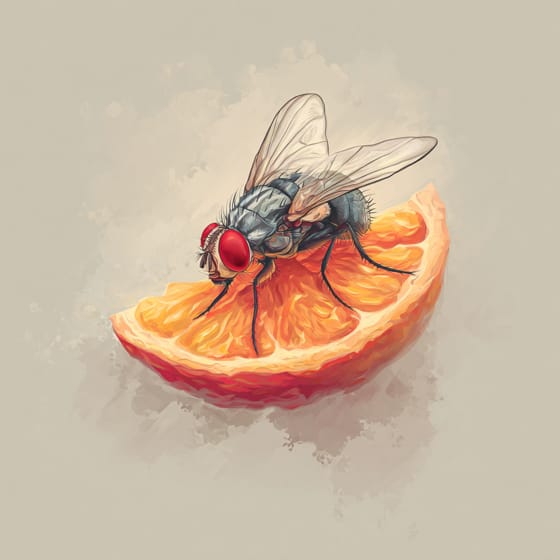
Musca domestica
a common prey item caught in flight.
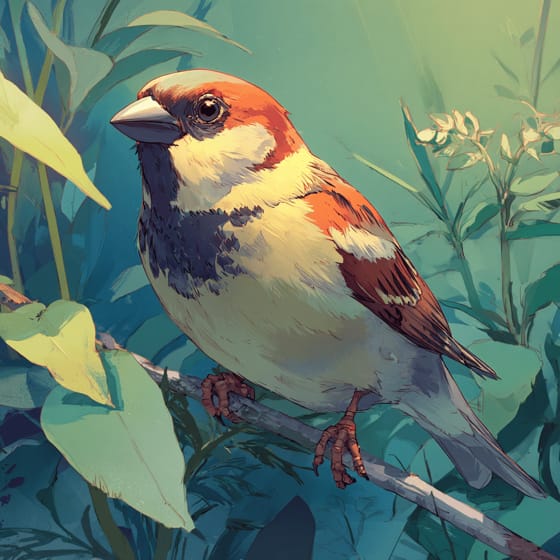
Passer domesticus
a common bird predator in open areas.
Drosophila melanogaster
a small, abundant insect often targeted for food.
Marked with parallel bands or lines of color.
Solitary animals live alone for most of their lives, only interacting with others for mating or parental care.
Aerial creatures spend a significant portion of their lives airborne, utilizing flight for various activities such as hunting, migration, or nesting.
Grassland habitats are terrestrial biomes dominated by grasses and herbaceous plants, supporting a variety of grazing animals.

This trait identifies organisms whose diet primarily consists of insects and other small invertebrates.

This trait identifies organisms whose diet consists entirely or primarily of animal tissue.

Diurnal animals are primarily active during daylight hours, typically resting or sleeping at night.

This trait identifies organisms that exhibit exceptional swiftness in movement for hunting, escape, or travel.

Describes organisms that transfer pollen, enabling the fertilization and reproduction of plants.
No aliases listed yet.
Danger
1/5 · Very low
Robberflies are not dangerous, but it's best to watch them from a distance.
The easiest way to identify Slender Striped Robberfly is to use the Snappit nature identifier app.
20-30 mm
12-18 mm
20-60 days
25 km/h
These agile hunters feast on other flying insects they skillfully catch in mid-air!
Grasslands
Ambush
Zoom in to split clusters and explore where this object has been snapped.
Recent snaps will appear here as new observations are added.
Take the discovery with you
Snap it with Snappit to identify it, learn what makes it special, and add the discovery to your collection.







.jpg&width=800)




