





Small Quaker
Orthosia cruda
The Small Quaker is a tiny, brown moth that loves to flutter around at night. It has soft wings and can often be found resting on tree bark or leaves during the day.
Habitat: Forests
The Small Quaker has a sturdy, pale reddish-brown to greyish-brown body and forewings. Its wings feature subtle wavy crosslines and a small, dark kidney-shaped spot near the center. It typically lacks bright markings, blending well with its surroundings.
Category
InsectsRarity
Common
Danger
1/5 · Very low
Snaps
Be the first to snap!
Adult Small Quakers are attracted to light, so you might spot them near lamps!
Its caterpillars munch on many tree leaves like oak and birch!
They have a special coiled 'tongue' called a proboscis to sip nectar.
This moth only lives for a few weeks as an adult, but spends months as a caterpillar!
Small Quaker has mottled brown wings that help them blend perfectly with tree bark, making them almost invisible to predators during the day.
Small Quaker can emerge and fly in late winter/early spring, allowing them to find mates and food before many other insects.
Small Quaker can drink sugary tree sap, providing vital energy when nectar from flowers is still scarce in early spring.
Caterpillars munch leaves, while adults sip nectar and tree sap from plants.
Age differences: Caterpillars feed on tree leaves, while adult moths feed on nectar and tree sap.
Quercus robur
Larvae feed on the leaves of oak trees.
Salix caprea
Adult moths visit early flowering willows for nectar and sap.
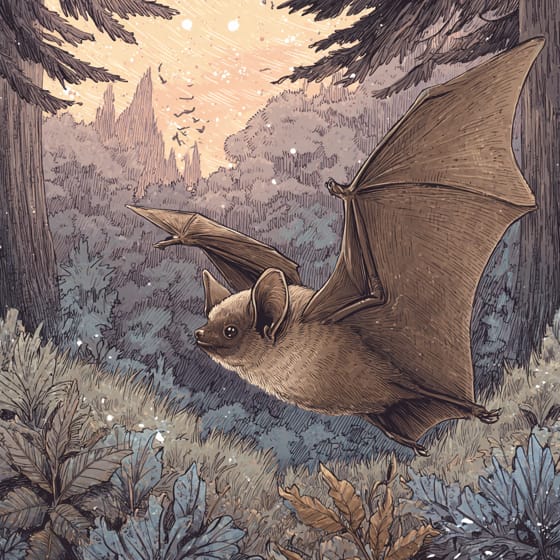
Myotis lucifugus
Nocturnal bats hunt adult moths while they are flying.
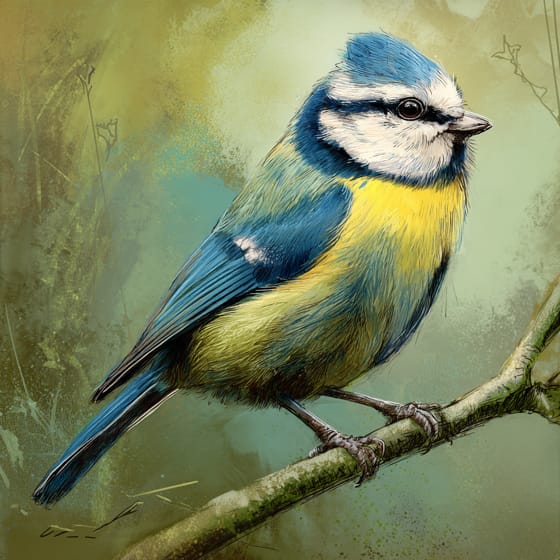
Cyanistes caeruleus
Bird species prey on the caterpillars during their larval stage.
Solitary animals live alone for most of their lives, only interacting with others for mating or parental care.
Camouflaged describes organisms that possess coloring or patterns that allow them to blend into their environment.
This trait characterizes organisms whose diet consists entirely or primarily of plant material.
Describes plants that are particularly attractive and beneficial to a wide range of pollinating organisms.

Forest habitats are terrestrial environments dominated by dense tree cover, supporting a high diversity of plant and animal life.

Pertaining to species that are significantly smaller than typical or average for their kind.

Nocturnal animals are primarily active during the nighttime hours, typically resting or sleeping during the day.

Describes organisms that transfer pollen, enabling the fertilization and reproduction of plants.
No aliases listed yet.
Danger
1/5 · Very low
Moths are generally safe to observe, but don't touch them as they can be delicate.
The easiest way to identify Small Quaker is to use the Snappit nature identifier app.
30-38 mm
10-15 mm
15-30 days
Caterpillars munch leaves, while adults sip nectar and tree sap from plants.
Forests
Foraging
6
Zoom in to split clusters and explore where this object has been snapped.
Recent snaps will appear here as new observations are added.
Take the discovery with you
Snap it with Snappit to identify it, learn what makes it special, and add the discovery to your collection.








.jpg&width=800)



