





Limoniid Crane Flies
Limoniidae
Limoniid crane flies are long-legged insects that look like giant mosquitoes. They are gentle and often found near water, where they lay their eggs.
Habitat: Wetlands
The Limoniid Crane Flies has a slender body and incredibly long, delicate legs, making it appear gangly. They are typically shades of brown, grey, or yellowish, often with clear or subtly patterned wings, differing from mosquitoes by their larger size and lack of a biting proboscis.
Category
InsectsRarity
Common
Danger
1/5 · Very low
Snaps
Be the first to snap!
Many adult Limoniid Crane Flies don't eat anything at all during their super short lives!
Some Limoniid Crane Flies are nicknamed "daddy longlegs," but they are totally harmless insects, not spiders!
Their babies, called larvae, can have tough skin like leather, earning them the nickname "leatherjackets"!
When they fly, their extra-long legs often dangle awkwardly, making them look like clumsy flying marionettes!
Limoniid Crane Flies can shed their long, delicate legs if grabbed by a predator, a trick that helps them escape danger.
Limoniid Crane Flies has larvae that can live in diverse damp environments like soil, rotting wood, or even moss, helping them find food and shelter anywhere.
Limoniid larvae mostly munch on decaying plants; adults often don't eat or sip a bit of nectar.
Age differences: Larvae are detritivores, while many adults do not feed, or consume only nectar and dew.
Turdus merula
Birds, like blackbirds, hunt adult crane flies for food.
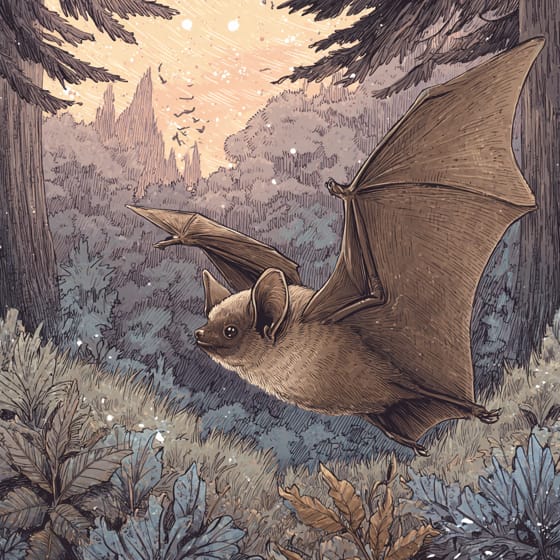
Myotis lucifugus
Bats catch flying adult crane flies at night as a meal.

Quercus alba
Larvae break down decaying leaves, often from oak trees.

Agaricus bisporus
Crane fly larvae can feed on decomposing fungi.
Solitary animals live alone for most of their lives, only interacting with others for mating or parental care.
Aerial creatures spend a significant portion of their lives airborne, utilizing flight for various activities such as hunting, migration, or nesting.
This trait characterizes organisms whose diet consists entirely or primarily of plant material.
This habitat trait identifies species found in wetlands, which are areas of land saturated with water, either permanently or seasonally, including marshes, swamps, and bogs.

Diurnal animals are primarily active during daylight hours, typically resting or sleeping at night.

Describes organisms that transfer pollen, enabling the fertilization and reproduction of plants.
No aliases listed yet.
Danger
1/5 · Very low
Don't worry, crane flies are friendly and won't hurt you!
The easiest way to identify Limoniid Crane Flies is to use the Snappit nature identifier app.
10-40 mm
5-20 mm
3-10 days
3 km/h
Limoniid larvae mostly munch on decaying plants; adults often don't eat or sip a bit of nectar.
Wetlands
Foraging
Zoom in to split clusters and explore where this object has been snapped.
Recent snaps will appear here as new observations are added.
Take the discovery with you
Snap it with Snappit to identify it, learn what makes it special, and add the discovery to your collection.








.jpg&width=800)




