Smooth Land Slugs
deroceras
Smooth Land Slugs are soft and slimy creatures that glide over surfaces with ease. They love to munch on leaves and decaying plants, making them important helpers in nature!
Habitat: Smooth Land Slugs live in gardens, forests, and fields, often under rocks or leaf litter.
The Smooth Land Slugs has a soft, elongated body without an external shell, often appearing gray, brown, or mottled. Its skin is typically uniform and moist, distinguishing it from shelled snails or slugs with rougher textures.
Category
InvertebrateRarity
Common
Danger
0/5 · No known danger
Snaps
Be the first to snap!
Smooth Land Slugs are hermaphrodites, meaning each slug has both male and female parts.
Some slugs can survive being frozen solid and then thaw out alive!
They have thousands of tiny 'teeth' on a ribbon-like tongue called a radula!
They use their top two tentacles like tiny periscopes to see and smell.
Smooth Land Slugs can produce a slippery mucus trail that helps them glide across rough surfaces and protects their soft body.
Smooth Land Slugs has a special opening called a pneumostome on its mantle that allows them to breathe air directly, helping them thrive on land.
Smooth Land Slugs can squeeze their soft, flexible bodies through tiny cracks and openings, helping them find shelter and new food sources.
They munch on decaying plants, fungi, and sometimes fresh leaves to grow big!
Turdus merula
A common meal for many garden birds.
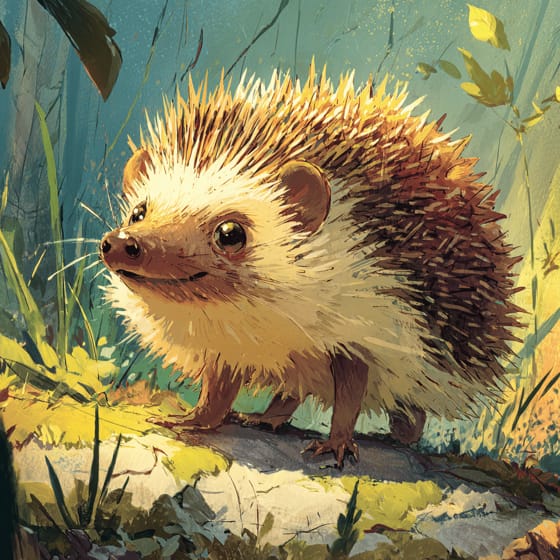
Erinaceus europaeus
Hedgehogs are important predators of slugs.

Carabus violaceus
Larvae and adults hunt slugs in gardens.
Lactuca sativa
They can cause significant damage to garden plants.
Solitary animals live alone for most of their lives, only interacting with others for mating or parental care.
This trait characterizes organisms whose diet consists entirely or primarily of plant material.
Describes organisms that break down dead organic material, recycling nutrients back into the ecosystem.
Forest habitats are terrestrial environments dominated by dense tree cover, supporting a high diversity of plant and animal life.

Nocturnal animals are primarily active during the nighttime hours, typically resting or sleeping during the day.
Danger
0/5 · No known danger
No special safety notes yet.
The easiest way to identify Smooth Land Slugs is to use the Snappit nature identifier app.
4 cm
0.005 kg
1 years
They munch on decaying plants, fungi, and sometimes fresh leaves to grow big!
Smooth Land Slugs live in gardens, forests, and fields, often under rocks or leaf litter.
Foraging
50
Zoom in to split clusters and explore where this object has been snapped.
Recent snaps will appear here as new observations are added.
Take the discovery with you
Snap it with Snappit to identify it, learn what makes it special, and add the discovery to your collection.