





snowberries
Symphoricarpos
Snowberries are small, white berries that grow on bushes. They look like little snowballs and are often found in gardens and wild areas. These berries are not for eating, but they are fun to look at!
Habitat: Forests
The snowberries plant has small, bell-shaped pinkish-white flowers that mature into distinctive, waxy, pearl-white berries. Its oval, bluish-green leaves provide a vibrant contrast to the bright berries, which often remain on branches through winter.
Category
PlantsRarity
Common
Danger
2/5 · Low
Snaps
Be the first to snap!
Even though they look like delicious candies, these bright white berries are not safe for human tummies!
Its tiny, bell-shaped flowers are a secret snack bar for busy bees and other buzzing insects!
Long ago, some Native American tribes used snowberries to make a natural, frothy soap!
Step on a ripe snowberry and it makes a fun 'pop!' sound, like tiny bursting balloons!
Snowberries can keep their bright white fruits through winter, providing a vital food source for birds when other treats are scarce.
Snowberries has berries that are a favorite food for many birds, which helps spread its seeds far and wide to new places.
Snowberries can grow in many difficult spots like poor soil or shady areas, showing its amazing resilience.
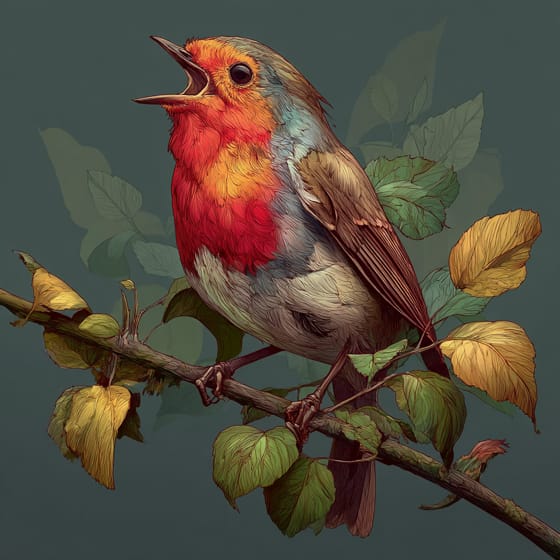
Turdus migratorius
eats snowberry fruits, aiding seed dispersal
Apis mellifera
visits snowberry flowers for nectar and pollen
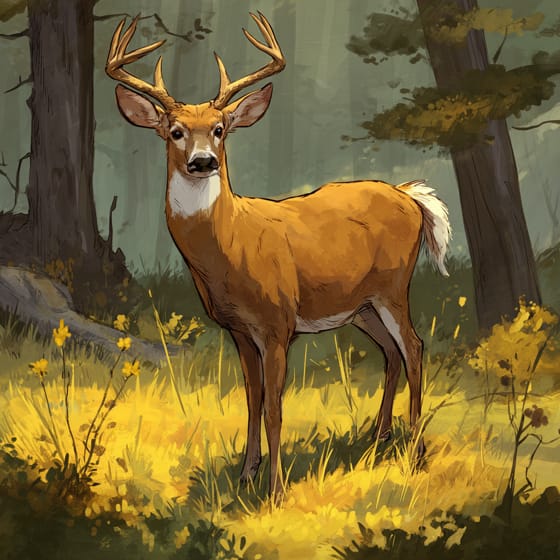
Odocoileus virginianus
browses snowberry foliage, especially in winter
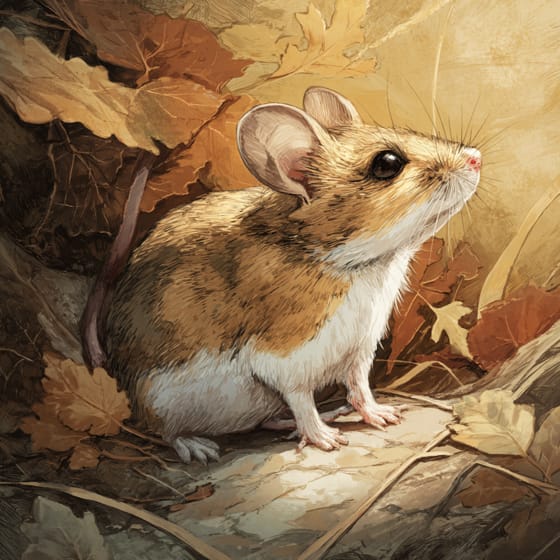
Peromyscus maniculatus
uses dense snowberry shrubs for cover
Deciduous plants periodically shed all their leaves, typically during autumn or dry seasons.
Ornamental plants are cultivated primarily for their aesthetic appeal, enhancing landscapes and gardens with their attractive foliage, flowers, or form.
A shrub is a woody plant smaller than a tree, typically with multiple stems branching from or near the ground.
Fruit-bearing plants produce fruits, which are the mature ovaries of flowering plants containing seeds.

Fall color refers to the seasonal change in foliage pigmentation, primarily in deciduous plants, displaying vibrant hues.

Forest habitats are terrestrial environments dominated by dense tree cover, supporting a high diversity of plant and animal life.
No aliases listed yet.
Danger
2/5 · Low
Do not eat snowberries, as they can make you feel sick.
The easiest way to identify snowberries is to use the Snappit nature identifier app.
100-200 cm
100-200 cm
0.3-0.6 cm
Late spring to early summer
No
Mild
Perennial
Zoom in to split clusters and explore where this object has been snapped.
Recent snaps will appear here as new observations are added.
Take the discovery with you
Snap it with Snappit to identify it, learn what makes it special, and add the discovery to your collection.







.jpg&width=800)



_001.jpg&width=800)




