





Watershield
Brasenia schreberi
Watershield is a special plant that floats on water! It has big, round leaves that look like shields and can be found in ponds and lakes. Its flowers are small and pretty, making it a lovely sight in nature.
Habitat: Wetlands
The Watershield has distinct oval-shaped leaves that float on the water's surface, often bright green above and a striking purplish-red underneath. Its submerged stems and undersides are covered in a unique, clear, jelly-like slime, making it visibly different from other water lilies.
Category
PlantsRarity
Common
Danger
1/5 · Very low
Snaps
9
Its underwater stems are super slimy, like natural jelly!
This plant is eaten as a tasty vegetable in some parts of the world!
Watershield flowers open twice, first to release, then to receive pollen!
Watershield is one of the oldest known flowering plants on Earth!
Watershield can form dense mats of leaves on the water's surface, creating sheltered habitats for small aquatic animals.
Watershield's waxy leaves and mucilaginous coating help repel water and prevent algae from attaching, keeping them clean.
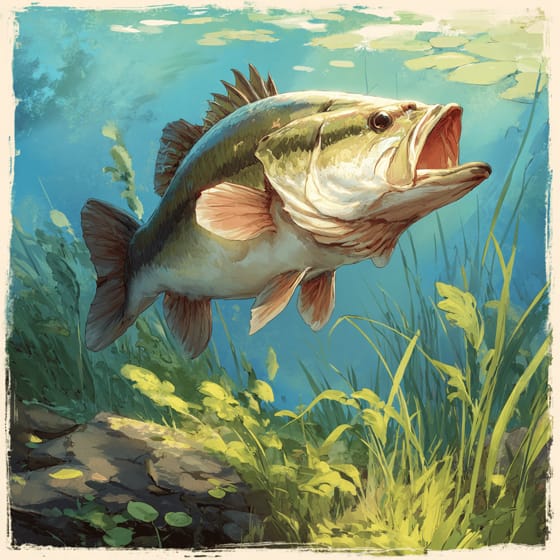
Micropterus salmoides
Hides among its dense floating mats.
Anas platyrhynchos
Eats its small, hard seeds.
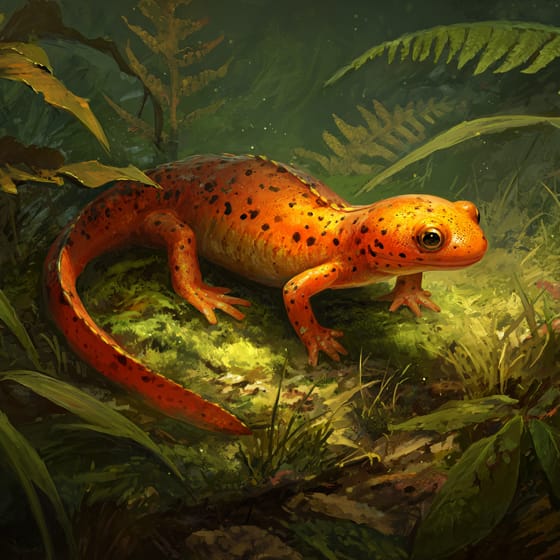
Notophthalmus viridescens
Finds refuge within its leafy cover.
Lymnaea stagnalis
Grazes on its leaves and stems.
Flowering plants are any plants that produce flowers as part of their reproductive cycle.
Ornamental plants are cultivated primarily for their aesthetic appeal, enhancing landscapes and gardens with their attractive foliage, flowers, or form.
Summer blooming plants produce their flowers during the summer season, often providing vibrant color when many other plants have finished.
Broadleaf trees are angiosperms characterized by flat, wide leaves that are typically shed annually in temperate climates.

Describes plants that are particularly attractive and beneficial to a wide range of pollinating organisms.

This habitat trait identifies species found in wetlands, which are areas of land saturated with water, either permanently or seasonally, including marshes, swamps, and bogs.

Freshwater habitats include non-saline aquatic environments such as rivers, lakes, ponds, and wetlands, vital for numerous species.

Aquatic habitats encompass environments where organisms live predominantly in water, including oceans, rivers, lakes, and wetlands.
No aliases listed yet.
Danger
1/5 · Very low
Always stay close to an adult when exploring ponds and lakes.
The easiest way to identify Watershield is to use the Snappit nature identifier app.
5-15 cm
50-200 cm
1-2 cm
Summer
Yes
None
Perennial
Zoom in to split clusters and explore where this object has been snapped.

Wisconsin, US
You might spot Purple Pitcher Plant, Papillose Peatmoss, and Tamarack.
View guide →

West Virginia, US
You might spot Spotted Lanternfly and Eastern Box Turtle.
View guide →

US
You might spot Common Eider and American Herring Gull.
View guide →

West Virginia, US
You might spot Spotted Lanternfly and Eastern Box Turtle.
View guide →
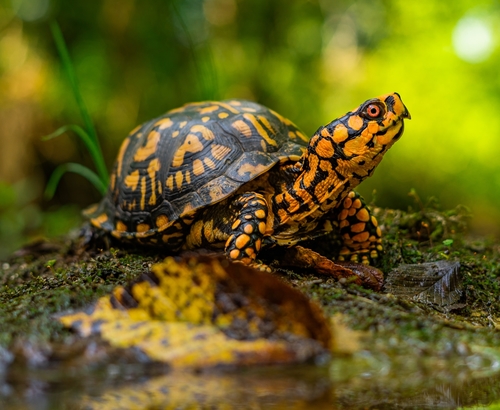
Kentucky, US
You might spot Eastern Box Turtle, Rainbow Darter, and Green Salamander.
View guide →

Tennessee, US
You might spot White-Tailed Deer, Duck, and Yellow-Rumped Warbler.
View guide →
Take the discovery with you
Snap it with Snappit to identify it, learn what makes it special, and add the discovery to your collection.








.jpg&width=800)


_001.jpg&width=800)




