_(7-15-12)_pena_blanca_lake%2C_scc%2C_az_-01_(7578641246).jpg&width=800)





Sonoran Spotted Whiptail
Aspidoscelis sonorae
The Sonoran Spotted Whiptail is a lively lizard with beautiful spots! It loves to run fast and can be found in the warm deserts of the Southwest USA.
Habitat: Desert
The Sonoran Spotted Whiptail has a slender body with a long, whip-like tail that can be twice its body length. Its back is typically brown or olive, marked with six distinct rows of light yellow or white spots. The belly is usually plain white or pale yellow, lacking any spots.
Category
ReptilesRarity
Common
Danger
1/5 · Very low
Snaps
Be the first to snap!
Some Sonoran Spotted Whiptails are all female and lay eggs without a male!
Their tails can grow back if they break off, but the new tail won't have bones!
These speedy lizards wiggle their bodies side-to-side to vanish into sand.
They use their super long, forked tongues to 'taste' the air for clues.
Sonoran Spotted Whiptail can detach its tail to distract predators, which helps them escape quickly.
Sonoran Spotted Whiptail can quickly burrow into loose soil using its snout and limbs, helping them hide from danger.
Sonoran Spotted Whiptail has dark skin that helps them quickly absorb sunlight to warm up their bodies in the desert.
This lizard is a skilled hunter, munching on a variety of small insects and other tiny creatures.
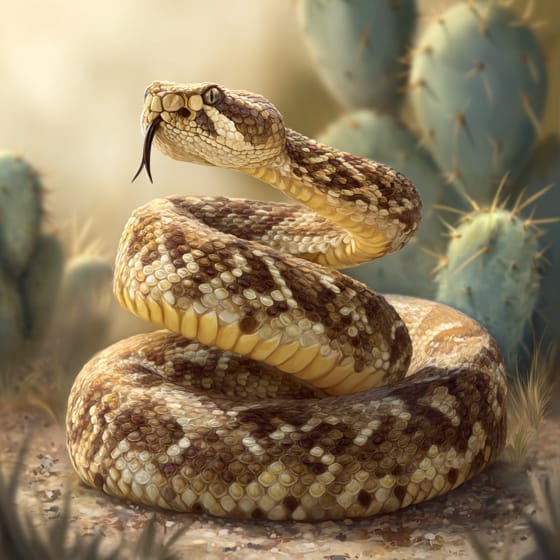
Crotalus atrox
A common predator in desert habitats.
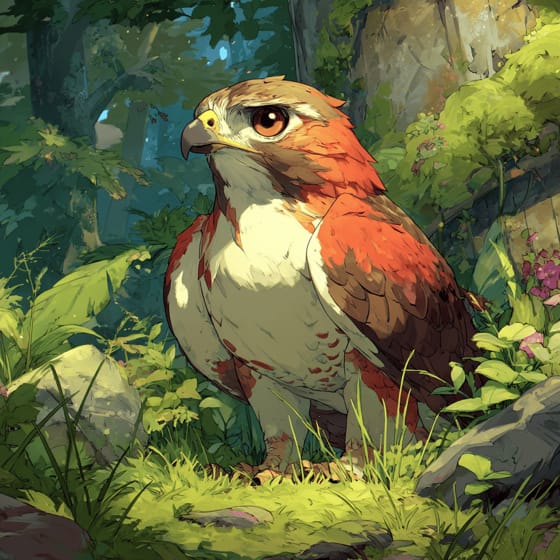
Buteo jamaicensis
Birds of prey hunt them from above.
Pogonomyrmex barbatus
Often preys on various ant species.
Aphonopelma chalcodes
Includes spiders in its varied diet.
Marked with spots or patches of a different color.
Camouflaged describes organisms that possess coloring or patterns that allow them to blend into their environment.
Colorful describes organisms or objects displaying a wide range of bright and distinct colors.
This trait identifies organisms whose diet primarily consists of insects and other small invertebrates.

Desert habitats are arid regions characterized by extremely low precipitation and often extreme temperatures, supporting specialized flora and fauna.

Diurnal animals are primarily active during daylight hours, typically resting or sleeping at night.

This trait identifies organisms that exhibit exceptional swiftness in movement for hunting, escape, or travel.
No aliases listed yet.
Danger
1/5 · Very low
Always watch where you step in the desert, and don't try to catch lizards.
The easiest way to identify Sonoran Spotted Whiptail is to use the Snappit nature identifier app.
15-23 cm
0.005-0.015 kg
3-6 years
25 km/h
This lizard is a skilled hunter, munching on a variety of small insects and other tiny creatures.
Desert
Foraging
Zoom in to split clusters and explore where this object has been snapped.
Recent snaps will appear here as new observations are added.
Take the discovery with you
Snap it with Snappit to identify it, learn what makes it special, and add the discovery to your collection.












