





Crotalus Cerastes
crotalus cerastes
The Crotalus cerastes, also known as the sidewinder rattlesnake, moves in a unique sideways fashion across the sand. Its rattle warns others to stay away, making it an important part of the desert ecosystem.
Habitat: Deserts and sandy areas in the southwestern United States.
The Crotalus Cerastes has a distinctive light, sandy-colored body with dark blotches that perfectly camouflage it against desert terrain. It features unique horn-like scales above its eyes, giving it a fierce appearance and helping protect its eyes from sand. Its slender body is adapted for efficient sidewinding movement.
Category
ReptilesRarity
Common
Danger
4/5 · High
Snaps
3
Sidewinders are born alive, not hatched from eggs like many other reptiles!
Their 'horns' above their eyes help shield them from the sun's glare.
They leave unique J-shaped tracks in the sand as they move.
This snake can strike its prey faster than you can blink!
Crotalus Cerastes can move across loose sand with a unique sidewinding motion that helps them quickly cross tricky terrain without sinking.
Crotalus Cerastes has special heat-sensing pits on its face that help them 'see' warm-blooded prey, even in complete darkness.
Crotalus Cerastes can rapidly bury themselves in sand using specialized scales, helping them hide from predators or ambush prey.
A desert hunter that eats small mammals, lizards, and sometimes small birds.
Dipodomys deserti
A primary source of food in its desert habitat.
.jpg&width=800)
Callisaurus draconoides
Preys on these common desert lizards.
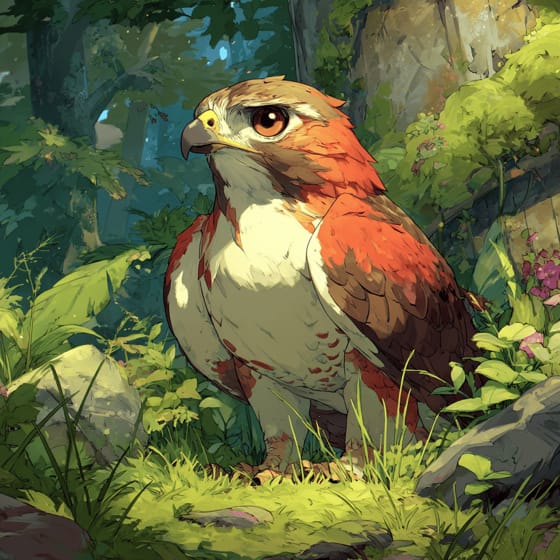
Buteo jamaicensis
Hunted by this aerial desert predator.
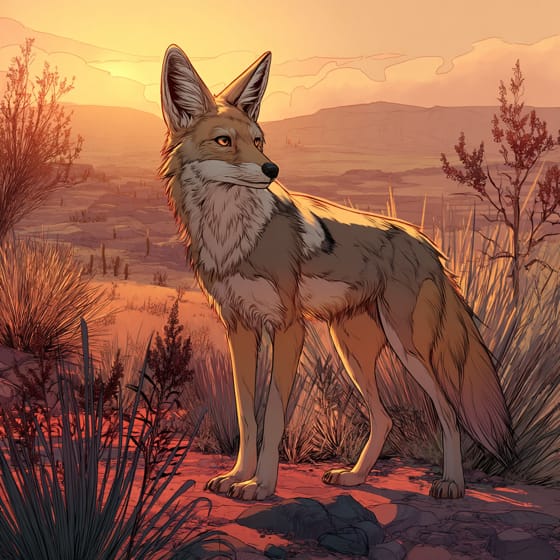
Canis latrans
Can become prey for opportunistic coyotes.
Solitary animals live alone for most of their lives, only interacting with others for mating or parental care.
Camouflaged describes organisms that possess coloring or patterns that allow them to blend into their environment.
Desert habitats are arid regions characterized by extremely low precipitation and often extreme temperatures, supporting specialized flora and fauna.
Nocturnal animals are primarily active during the nighttime hours, typically resting or sleeping during the day.

Venomous organisms produce toxins that are injected into another animal, typically through a bite or sting.
Danger
4/5 · High
Always watch from a distance and never try to touch a snake.
The easiest way to identify Crotalus Cerastes is to use the Snappit nature identifier app.
45-80 cm
0.1-0.3 kg
10-20 years
4 km/h
A desert hunter that eats small mammals, lizards, and sometimes small birds.
Deserts and sandy areas in the southwestern United States.
Ambush
Zoom in to split clusters and explore where this object has been snapped.
Take the discovery with you
Snap it with Snappit to identify it, learn what makes it special, and add the discovery to your collection.















