





Glossy Snake
Arizona elegans
The Glossy Snake is a shiny, smooth snake that loves to hide in the grass and rocks. It has beautiful colors that help it blend in with the desert and is very gentle.
Habitat: Desert
The Glossy Snake has a slender body with smooth, slightly shiny scales. Its coloration ranges from light tan to pale gray, adorned with distinct darker brown or reddish-brown blotches down its back. Its unmarked creamy-white belly and round pupils distinguish it from venomous lookalikes.
Category
ReptilesRarity
Common
Danger
1/5 · Very low
Snaps
Be the first to snap!
Despite its name, this snake isn't actually shiny; 'glossy' refers to its smooth scales!
Glossy Snakes are nocturnal, meaning they hunt for their meals under the cover of darkness.
It has a special wedge-shaped snout that acts like a shovel, perfect for burrowing underground!
They lay leathery-shelled eggs in burrows, sometimes even sharing nests with other female snakes!
Glossy Snake can dig into soft soil using its wedge-shaped snout because this helps it hide from predators and find cooler temperatures.
Glossy Snake has blotchy patterns and glossy scales that help it perfectly blend into sandy and rocky deserts, making it hard to spot.
Glossy Snake can rapidly vibrate its tail when scared, making a rattling sound to trick predators into thinking it's a dangerous rattlesnake.
This nocturnal hunter enjoys a meal of lizards, small snakes, and tiny rodents it catches in the desert.
Phrynosoma platyrhinos
A primary prey item in arid environments.
Peromyscus eremicus
Small mammals are a common food source for this snake.
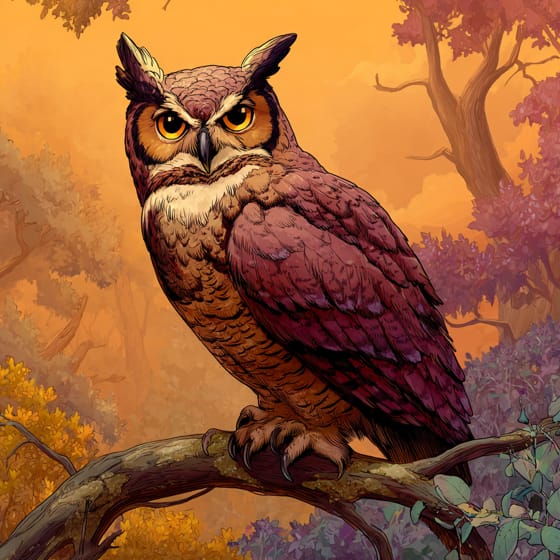
Bubo virginianus
Nocturnal birds of prey hunt these snakes.
Solitary animals live alone for most of their lives, only interacting with others for mating or parental care.
Camouflaged describes organisms that possess coloring or patterns that allow them to blend into their environment.
Colorful describes organisms or objects displaying a wide range of bright and distinct colors.
Desert habitats are arid regions characterized by extremely low precipitation and often extreme temperatures, supporting specialized flora and fauna.

This trait identifies organisms whose diet consists entirely or primarily of animal tissue.

Diurnal animals are primarily active during daylight hours, typically resting or sleeping at night.
Danger
1/5 · Very low
If you see a snake, it's best to stay calm and walk away slowly. Snakes are shy and will usually not bother you.
The easiest way to identify Glossy Snake is to use the Snappit nature identifier app.
70-120 cm
0.15-0.7 kg
10-15 years
5 km/h
This nocturnal hunter enjoys a meal of lizards, small snakes, and tiny rodents it catches in the desert.
Desert
Ambush
Zoom in to split clusters and explore where this object has been snapped.
Recent snaps will appear here as new observations are added.
Take the discovery with you
Snap it with Snappit to identify it, learn what makes it special, and add the discovery to your collection.













