_(8435943414).jpg&width=800)





Southern Crabapple
malus angustifolia
The Southern Crabapple is a small tree that produces delicious, tart apples! Children love to explore its branches and discover the unique shapes of its leaves and fruits.
Habitat: Southern Crabapple trees thrive in open woodlands and along roadsides, often found in the southeastern United States.
The Southern Crabapple is a small, deciduous tree with a rounded crown, covered in clusters of fragrant pink to white blossoms in spring. Its small, round fruits ripen from green to yellowish-green, often staying on branches into winter.
Category
PlantsRarity
Common
Danger
0/5 · No known danger
Snaps
Be the first to snap!
Despite its name, the Southern Crabapple is a true apple, just a smaller, wilder kind!
If you find its tart fruits, they are packed with more Vitamin C than many common apples!
Its extra-hard wood was historically used by pioneers to craft tools and furniture!
This tree often forms dense thickets, creating secret hiding places for small animals and birds!
Southern Crabapple has thorny branches that help protect its tender leaves and fruit from hungry browsing animals.
Southern Crabapple can thrive in many soil types, even poor or disturbed ground, thanks to its robust root system.
Southern Crabapple holds onto its tart fruits through winter, providing a crucial late-season food source for wildlife.
Apis mellifera
Gathers nectar and pollen from its flowers.

Odocoileus virginianus
Browses on its leaves and young twigs.
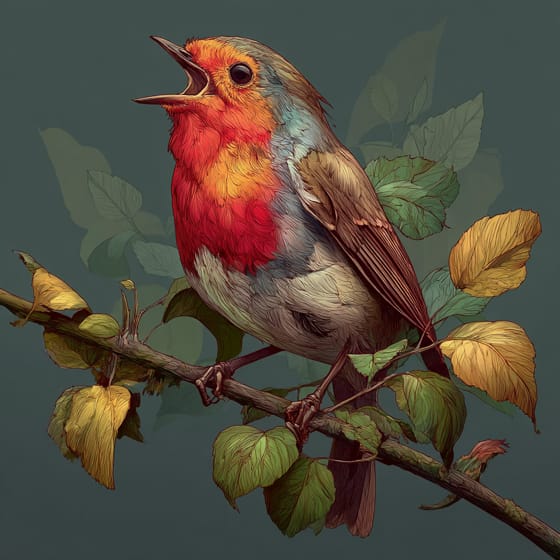
Turdus migratorius
Feeds on its tart fruits in late fall and winter.
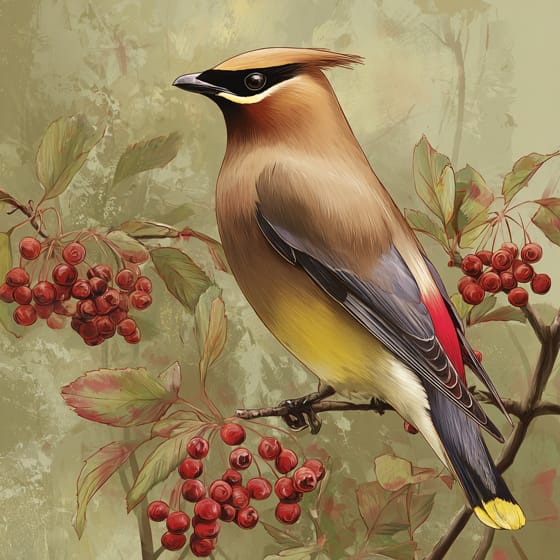
Bombycilla cedrorum
Devours the lingering crabapples during migration.
Colorful describes organisms or objects displaying a wide range of bright and distinct colors.
This trait characterizes organisms whose diet consists entirely or primarily of plant material.
Forest habitats are terrestrial environments dominated by dense tree cover, supporting a high diversity of plant and animal life.
Diurnal animals are primarily active during daylight hours, typically resting or sleeping at night.

Describes organisms that transfer pollen, enabling the fertilization and reproduction of plants.
Danger
0/5 · No known danger
Always check with an adult before trying any wild fruits.
The easiest way to identify Southern Crabapple is to use the Snappit nature identifier app.
600-1000 cm
400-800 cm
2-3 cm
Spring (March-May)
Yes
Mild
Perennial
Zoom in to split clusters and explore where this object has been snapped.
Recent snaps will appear here as new observations are added.
Take the discovery with you
Snap it with Snappit to identify it, learn what makes it special, and add the discovery to your collection.









.jpg&width=800)



_001.jpg&width=800)




