





spotted horsemint
Monarda punctata
Spotted horsemint is a colorful flower that attracts butterflies and bees. Its unique spotted petals make it stand out in gardens and fields, and it has a lovely minty smell!
Habitat: Grasslands
The spotted horsemint has distinctive tiered clusters of pinkish-purple to yellowish flowers, often speckled with dark spots, emerging from leafy pink or purple bracts. Its unique stacked appearance on square stems makes it visually different from many other wildflowers.
Category
PlantsRarity
Common
Danger
1/5 · Very low
Snaps
11
Hidden beneath its petals, the tiny seeds are a tasty snack for small birds in fall!
Its spicy, minty scent is so strong, it can even repel mosquitoes from your garden!
Native Americans once used horsemint leaves to make soothing teas for colds and fevers.
This plant's unique flowers grow in beautiful, colorful stacks, almost like little pagodas!
Spotted horsemint grows unique stacked flower clusters, making it highly visible and attractive to pollinators.
Its leaves release strong, minty scents that help deter some grazing animals from eating them.
Spotted horsemint produces a steady supply of nectar, drawing many different insects to its flowers for food.
Apis mellifera
Collects nectar and pollen

Bombus impatiens
Visits flowers for nectar
Hemaris thysbe
Feeds on sweet nectar
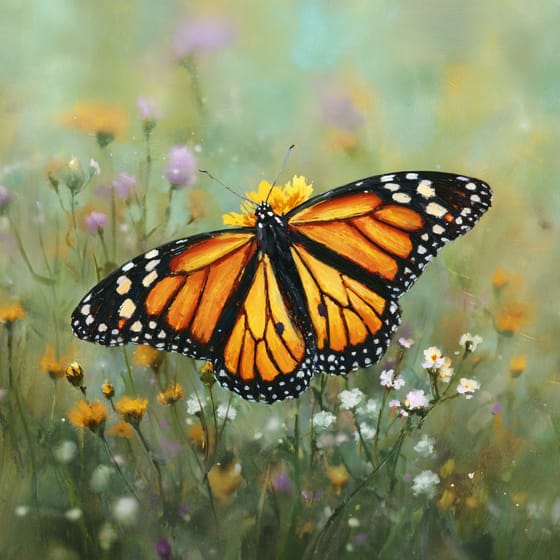
Danaus plexippus
Drinks nectar from blooms
Marked with spots or patches of a different color.
Aromatic plants produce and emit fragrant volatile organic compounds, often for defense or to attract pollinators.
Flowering plants are any plants that produce flowers as part of their reproductive cycle.
Summer blooming plants produce their flowers during the summer season, often providing vibrant color when many other plants have finished.

Fragrant flowers emit a pleasant aroma, often to attract pollinators or for defense.

Colorful describes organisms or objects displaying a wide range of bright and distinct colors.

Edible plants are those parts of a plant that are considered safe for human consumption.

Grassland habitats are terrestrial biomes dominated by grasses and herbaceous plants, supporting a variety of grazing animals.

Describes plants that are particularly attractive and beneficial to a wide range of pollinating organisms.
No aliases listed yet.
Danger
1/5 · Very low
Always look but don't touch flowers without asking an adult.
The easiest way to identify spotted horsemint is to use the Snappit nature identifier app.
30-90 cm
30-60 cm
1-2 cm
Summer-fall
Yes
None
Perennial
Zoom in to split clusters and explore where this object has been snapped.

South Carolina, US
You might spot Anole, Asian Lady Beetle, and Gulf Fritillary.
View guide →

Texas, US
You might spot Yaupon Holly, American Beautyberry, and Loblolly Pine.
View guide →

North Carolina, US
You might spot Lesser Celandine, Bloodroot, and Little Sweet Betsy.
View guide →

New Jersey, US
You might spot Mute Swan, Eastern Pondhawk, and Osprey.
View guide →

Maryland, US
You might spot Spotted Lanternfly, Mile-A-Minute Weed, and American Toad.
View guide →

US
You might spot Great Kiskadee, Rock Pigeon, and Mexican Palo Verde.
View guide →
Take the discovery with you
Snap it with Snappit to identify it, learn what makes it special, and add the discovery to your collection.








.jpg&width=800)


_001.jpg&width=800)



