





Southern Sagebrush Lizard
Sceloporus vandenburgianus
The Southern Sagebrush Lizard is a small, colorful lizard that loves to bask in the sun. It has a special talent for blending in with its surroundings to stay safe from predators.
Habitat: Desert
The Southern Sagebrush Lizard is a small reptile, typically brownish-grey or olive with rough, keeled scales. Males display striking blue patches on their throat and belly, especially during breeding. It often has a faint light stripe running down each side of its back.
Category
ReptilesRarity
Common
Danger
1/5 · Very low
Snaps
Be the first to snap!
A Southern Sagebrush Lizard's diet helps control insect populations in its habitat.
Their rough scales give them a spiky feel, protecting them from some predators.
These lizards often 'do push-ups' to show off or mark their territory!
When it's super hot, they hide in shade to stay cool!
Southern Sagebrush Lizard can change its body color slightly to blend perfectly with rocks and sandy ground, helping them hide from predators.
Southern Sagebrush Lizard can dart away at incredible speeds when threatened, using its agility to quickly disappear into dense cover.
Southern Sagebrush Lizard has a special ability to bask in the sun, which helps them warm up and become active for hunting.
Southern Sagebrush Lizard can detach its tail if a predator grabs it, allowing them to escape while the tail wiggles to distract.
These small lizards mainly feast on insects and tiny invertebrates they find among the plants.
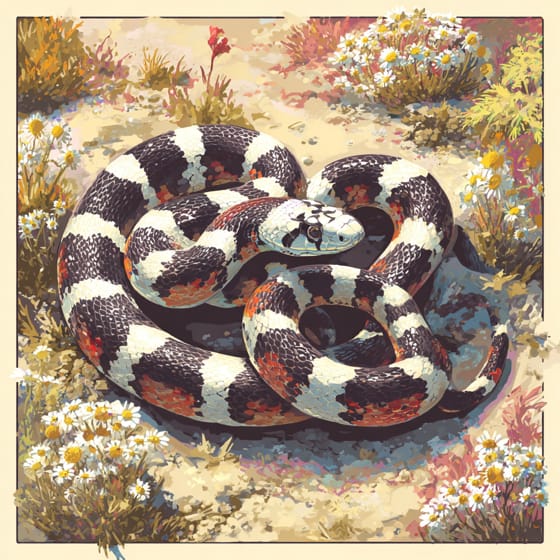
Lampropeltis californiae
A common snake predator in its range.
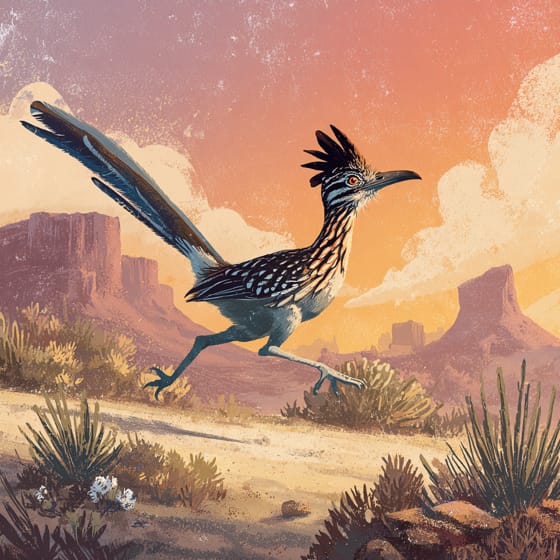
Geococcyx californianus
Quick birds that hunt lizards on the ground.
Myrmecocystus mimicus
An easy-to-catch insect found in its habitat.
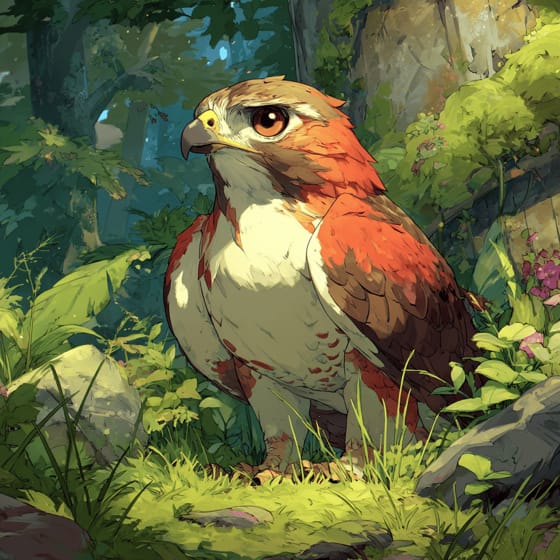
Buteo jamaicensis
Large raptor that hunts from above.
Solitary animals live alone for most of their lives, only interacting with others for mating or parental care.
Camouflaged describes organisms that possess coloring or patterns that allow them to blend into their environment.
Colorful describes organisms or objects displaying a wide range of bright and distinct colors.
This trait identifies organisms whose diet primarily consists of insects and other small invertebrates.

Desert habitats are arid regions characterized by extremely low precipitation and often extreme temperatures, supporting specialized flora and fauna.

Diurnal animals are primarily active during daylight hours, typically resting or sleeping at night.

This trait identifies organisms that exhibit exceptional swiftness in movement for hunting, escape, or travel.
No aliases listed yet.
Danger
1/5 · Very low
If you see a lizard, it's best to watch it from a distance and not try to catch it.
The easiest way to identify Southern Sagebrush Lizard is to use the Snappit nature identifier app.
10-20 cm
0.005-0.015 kg
3-5 years
15 km/h
These small lizards mainly feast on insects and tiny invertebrates they find among the plants.
Desert
Foraging
Zoom in to split clusters and explore where this object has been snapped.
Recent snaps will appear here as new observations are added.
Take the discovery with you
Snap it with Snappit to identify it, learn what makes it special, and add the discovery to your collection.













