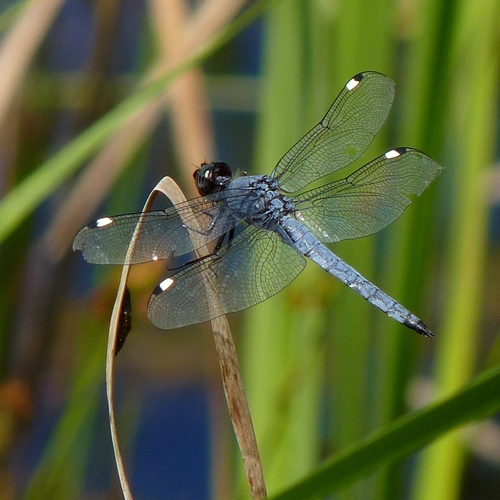


Spangled Skimmer
libellula cyanea
The Spangled Skimmer (Libellula cyanea) is a striking dragonfly species native to eastern and central North America. These agile aerial predators are a common sight around freshwater habitats, often captivating observers with their brilliant metallic colors and swift, acrobatic flight. They play a crucial ecological role as effective controllers of insect populations, particularly mosquitoes and flies, contributing significantly to the health of wetland ecosystems. Their life cycle, from aquatic nymph to iridescent adult, showcases a fascinating metamorphosis and adaptation to both aquatic and terrestrial environments, making them a prime subject for nature enthusiasts and a vital component of their native habitats.
Habitat: Spangled Skimmers are typically found near still or slow-moving freshwater bodies such as ponds, lakes, marshes, and slow streams, preferring habitats with abundant emergent vegetation for perching and hunting.
The Spangled Skimmer is a medium-sized dragonfly, typically measuring between 4.5 to 5.5 centimeters in length, with a wingspan of about 7 to 8 centimeters. Males are particularly iridescent, sporting a brilliant, metallic blue or bluish-green body that appears 'spangled' due to fine, light speckling, especially on the abdomen. Their wings are clear, often with a subtle amber tint near the base and a dark stigma at the leading edge of each wing. Females and immature males typically have a brownish body with yellow stripes, lacking the metallic blue sheen until maturity, but still possess the clear wings and distinct dark stigmas.
Category
InsectsRarity
Common
Danger
1/5 · Very low
Snaps
1
Adult dragonflies, including the Spangled Skimmer, are highly beneficial insects as they consume thousands of pest insects like mosquitoes and gnats daily.
Dragonfly nymphs (larvae) can live underwater for several months to several years, undergoing multiple molts before emerging as adults.
The Spangled Skimmer's large compound eyes, each containing thousands of individual lenses, allow it to detect movement from almost any angle.
Unlike many insects, dragonflies can fly each of their four wings independently, giving them incredible control and maneuverability in the air.
Spangled Skimmers are highly skilled aerial hunters, capable of capturing flying insects mid-flight with exceptional speed and agility. Their large, multifaceted eyes provide a nearly 360-degree field of vision, crucial for spotting prey and avoiding predators.
Male Spangled Skimmers are highly territorial, actively defending prime breeding and foraging areas from rival males. They engage in complex aerial chases and displays to assert dominance and secure mating opportunities.
Dragonflies possess the remarkable ability to fly forward, backward, sideways, and hover. This allows the Spangled Skimmer to maneuver expertly in tight spaces, evade predators, and efficiently track elusive prey.
As both nymphs and adults, Spangled Skimmers are voracious predators, consuming a wide range of smaller insects. Adults are aerial hunters, while nymphs prey on aquatic invertebrates.
Age differences: Nymphs (larvae) are aquatic predators, feeding on mosquito larvae, tadpoles, small fish, and other aquatic invertebrates. Adults are aerial hunters, primarily consuming flying insects.
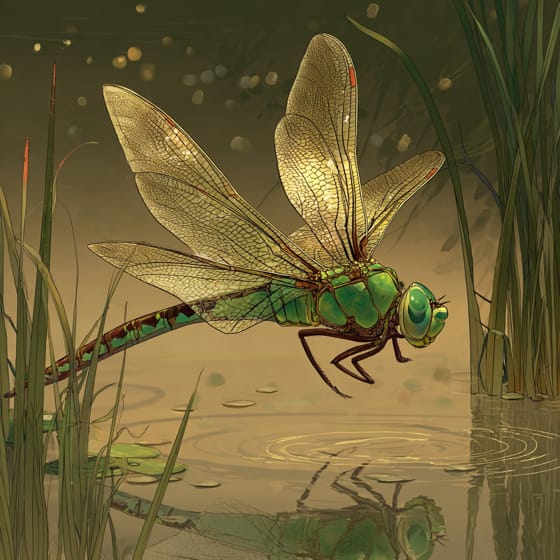
Anax junius
Competition for resources and territory
Culicidae family
Primary prey for adult skimmers
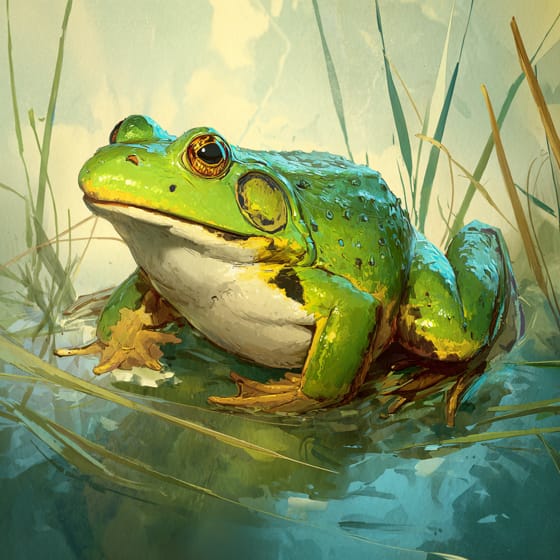
Lithobates clamitans
Predator of adult dragonflies
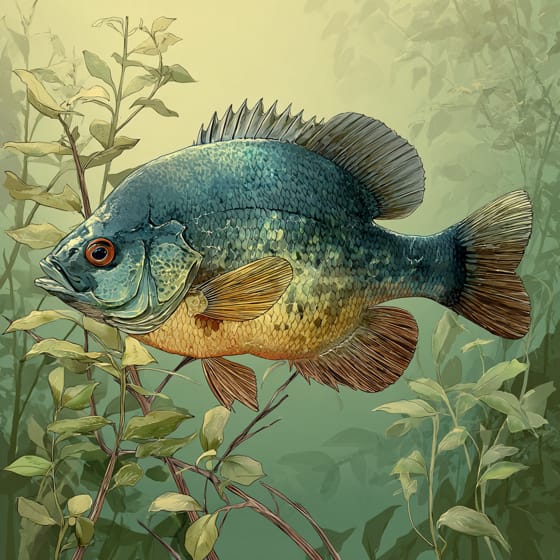
Lepomis macrochirus
Predator of dragonfly nymphs
No trait badges are assigned for this object yet.
No aliases listed yet.
Collections for this object will appear here as more themes are added.
Danger
1/5 · Very low
No special safety notes yet.
The easiest way to identify Spangled Skimmer is to use the Snappit nature identifier app.
4-5 cm
7-8 cm
0.001-0.003 kg
0-1 years
45 km/h
As both nymphs and adults, Spangled Skimmers are voracious predators, consuming a wide range of smaller insects. Adults are aerial hunters, while nymphs prey on aquatic invertebrates.
Spangled Skimmers are typically found near still or slow-moving freshwater bodies such as ponds, lakes, marshes, and slow streams, preferring habitats with abundant emergent vegetation for perching and hunting.
Zoom in to split clusters and explore where this object has been snapped.
Take the discovery with you
Snap it with Snappit to identify it, learn what makes it special, and add the discovery to your collection.














.jpg&width=800)




