





Spanish Bluebell
hyacinthoides hispanica
The Spanish Bluebell is a beautiful flower that blooms in spring with lovely blue, bell-shaped flowers. Kids love to see them swaying in the breeze in gardens and woodlands!
Habitat: Spanish Bluebells thrive in woodland areas, gardens, and grassy spaces.
The Spanish Bluebell has upright stems bearing loose clusters of bell-shaped flowers that hang downwards. They are typically bright blue, but can also appear in shades of pink or white, distinguishing them from the deeper blue, nodding flowers of its English cousin.
Category
PlantsRarity
Common
Danger
0/5 · No known danger
Snaps
2
If you dig them up, their tiny bulbs look just like mini onions!
One tiny bulb can make a whole patch of blue flowers in just a few years!
Their name tells you where they come from: Spain and Portugal!
These tough flowers are great at growing in shady spots under big trees!
Spanish Bluebell can rapidly multiply using underground bulbs, helping it quickly spread into large, colorful patches.
It produces a subtle, sweet fragrance that acts as a signal, drawing busy bees and other insects to its nectar.
Spanish Bluebell has special chemicals in its bulbs and leaves that make it unappetizing to many plant-eating animals.
Apis mellifera
visits flowers for nectar
Bombus terrestris
collects pollen and nectar
Arion vulgaris
consumes leaves and flowers
Colorful describes organisms or objects displaying a wide range of bright and distinct colors.
This trait characterizes organisms whose diet consists entirely or primarily of plant material.
Forest habitats are terrestrial environments dominated by dense tree cover, supporting a high diversity of plant and animal life.
Diurnal animals are primarily active during daylight hours, typically resting or sleeping at night.

Describes organisms that transfer pollen, enabling the fertilization and reproduction of plants.
Danger
0/5 · No known danger
No special safety notes yet.
The easiest way to identify Spanish Bluebell is to use the Snappit nature identifier app.
20-50 cm
10-20 cm
1-2 cm
Spring
No
Moderate
Perennial
Zoom in to split clusters and explore where this object has been snapped.

New York, US
You might spot Italian Wall Lizard, Black Swallowtail, and American Robin.
View guide →
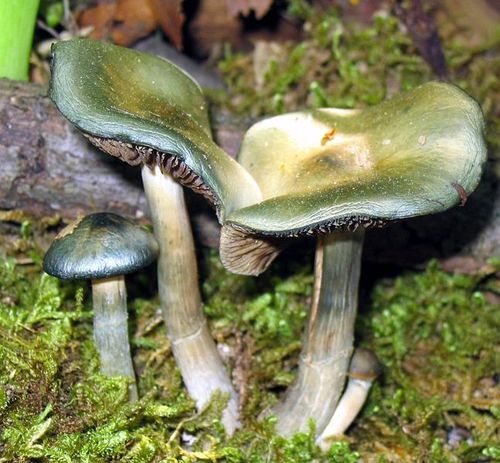
Ohio, US
You might spot Psychedelic Ovoid Mushroom and Powdered Dancer.
View guide →
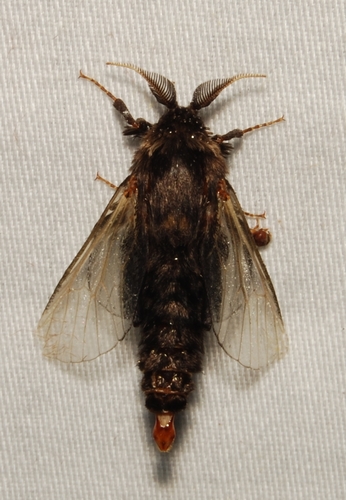
Virginia, US
You might spot Evergreen Bagworm Moth, Wild Indigos, and Silver Maple.
View guide →
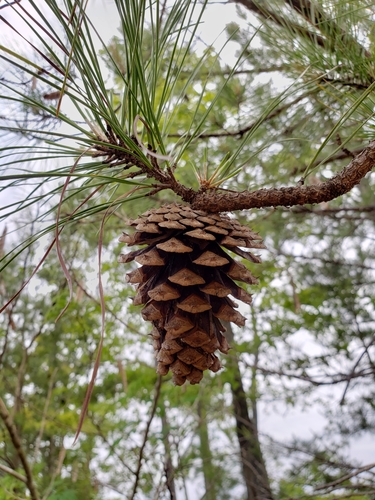
Virginia, US
You might spot Loblolly Pine, Fox Grape, and Sensitive Fern.
View guide →
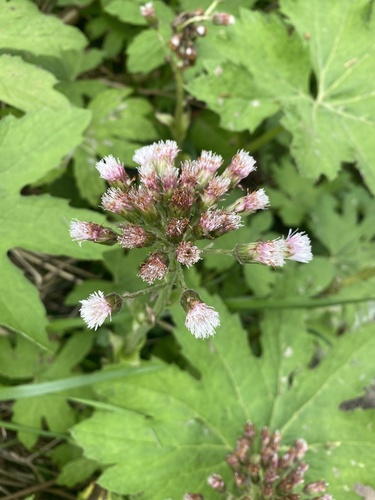
Washington, US
You might spot Arctic Butterbur, Red Valerian, and American Brooklime.
View guide →
Take the discovery with you
Snap it with Snappit to identify it, learn what makes it special, and add the discovery to your collection.








.jpg&width=800)



_001.jpg&width=800)




