





Italian Wall Lizard

Nestled in the heart of Flushing, Queens, this 39-acre botanical garden serves as a vibrant urban oasis, uniquely reflecting the diverse global identity of the borough itself.
Nestled in the heart of Flushing, Queens, this 39-acre botanical garden serves as a vibrant urban oasis, uniquely reflecting the diverse global identity of the borough itself. It stands apart from larger metropolitan botanical institutions, providing a peaceful and uncrowded experience focused on a harmonious blend of horticulture, rich cultural heritage, and cutting-edge environmental stewardship. Visitors can immerse themselves in thoughtfully curated landscapes that showcase both botanical beauty and a commitment to green living.
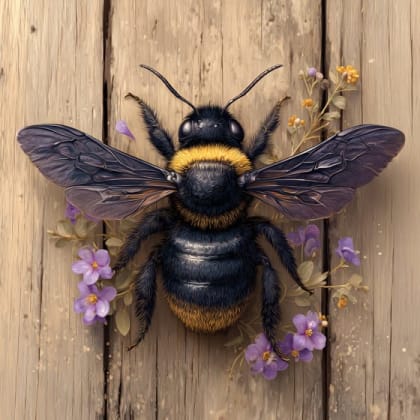
The garden features a myriad of captivating collections designed to engage all the senses. Wander through culturally themed plant sections, discover the buzzing activity of Italian Honeybees in the dedicated Bee Garden, or delight in the aromatic wonders of the Fragrance Walk. Other highlights include the picturesque Rose Garden, a historically rich Herb Garden showcasing Asian and Native American herbs, and an impressive Arboretum home to mature trees like the Southern Magnolia and Weeping Honeylocust. The LEED Platinum certified Visitor & Administration Building, crowned with a verdant green roof, stands as a testament to the garden's dedication to sustainable practices.
A visit to Queens Botanical Garden is an invitation to connect with nature, learn about ecological responsibility, and participate in a dynamic community. Beyond its stunning seasonal blooms, the garden hosts a diverse calendar of educational programs, cultural festivals, and memorable events like outdoor movie nights. From the historic Blue Atlas Cedars, remnants of the 1939 World's Fair, to its modern sustainability initiatives, Queens Botanical Garden offers a memorable and inspiring experience for all who seek beauty and knowledge in an urban setting. Don't forget to bring the Snappit nature identification app along to scan local species.
The Queens Botanical Garden's roots trace back to the 1939-1940 New York World's Fair, where it originated as the popular "Gardens on Parade" exhibit. After the fair concluded, local residents rallied to preserve and expand this beloved green space, leading to the official establishment of the Queens Botanical Garden Society in 1946. The garden remained at its original World's Fair site until 1961, when it was relocated to its current 39-acre location in Flushing, specifically in preparation for the 1964-1965 New York World's Fair. Two iconic Blue Atlas Cedars, initially part of the 1939 plantings, were successfully transplanted to the new Main Street entrance, standing as living links to its historical origins. Over the decades, the Queens Botanical Garden evolved significantly, transforming into a vital community hub. The 1970s saw the addition of new features like the Children's Garden, Herb Garden, and a Victorian-style Wedding Garden, broadening its appeal and educational offerings. A major master plan was initiated in 2001, focusing on ecological restoration and sustainability. This ambitious project included efforts to "daylight" or restore sections of the buried Kissena Creek, creating new wetlands and water features, and culminated in the opening of the LEED Platinum certified Visitor & Administration Building in 2007, setting a new standard for green architecture in New York City.
Stroll through the various themed gardens, learn about sustainable gardening practices, attend one of the many workshops or educational programs, enjoy seasonal events such as outdoor movie nights or cultural festivals, and look for local bird species in the Meadow or during guided bird walks.
Spring: Expect a riot of color from flowering trees and bulbs like cherry blossoms, daffodils, and tulips.
Summer: Enjoy the full canopy of trees, refreshing water features, and outdoor evening events including concerts and movies.
Fall: Witness stunning autumn leaf displays across the arboretum and various garden beds.
Winter: Discover unexpected indoor blooms and enjoy the peaceful atmosphere, with seasonal light displays sometimes offered.
Queens Botanical Garden is committed to accessibility. Wheelchairs are available for loan on a first-come, first-served basis at the Main Street Entrance, Parking Garden Entrance, and Visitor & Administration Building. Many pathways are paved and wheelchair accessible, and the garden also offers neurodiverse programming.
Don't miss the fragrant blooms of the Rose Garden, the active Bee Garden, the aromatic Fragrance Walk, and the diverse plant collections in the Herb Garden and Arboretum. The Children's Garden is a must for families, and the Wetland and Woodland Garden offers a glimpse into vital ecosystems. Be sure to observe the green roof of the LEED Platinum Visitor & Administration Building for an example of sustainable design.
Each card links to a full Explore page with photos, traits, and fun facts.














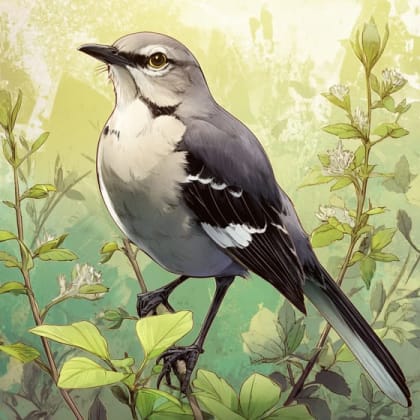




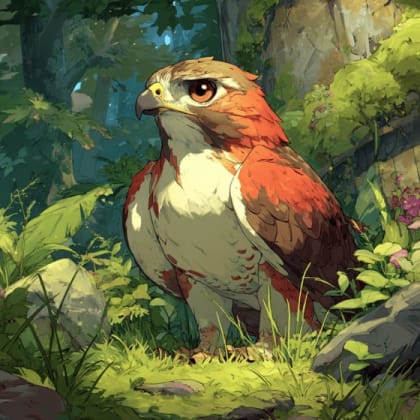

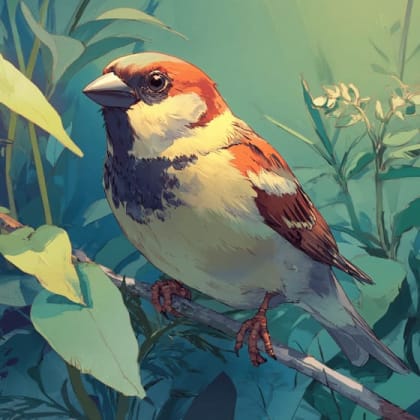
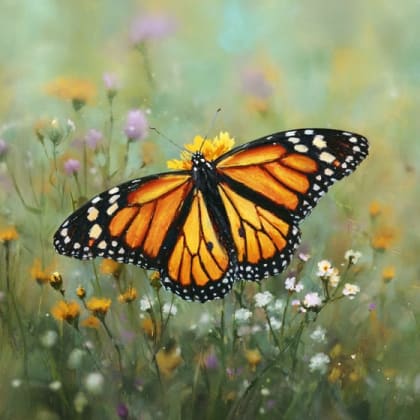





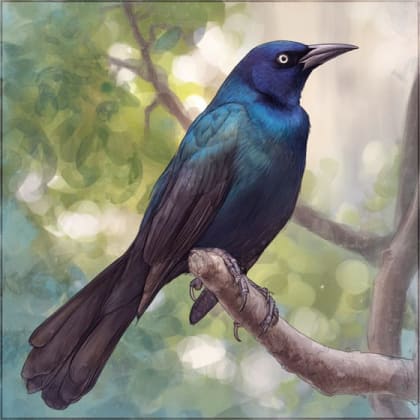









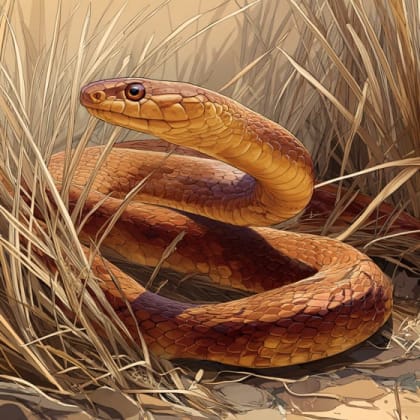


Start with the big picture, then zoom in to explore individual wildlife observations around this place.
Check the calendar
Always review the Queens Botanical Garden's event calendar online before your visit for seasonal exhibits, workshops, movie nights, or cultural festivals.
Visit on a weekday
For a more tranquil and less crowded experience, especially during peak seasons like spring and fall, consider visiting on a weekday.
Wear comfortable shoes and sunscreen
You'll be doing a fair amount of walking outdoors, so practical footwear and sun protection are essential.
Consider a picnic
The garden provides picnic areas, making it a perfect spot to bring your own lunch and enjoy a meal surrounded by nature.
Look for historical markers
Seek out the two Blue Atlas Cedars at the Main Street entrance, which were transplanted from the original 1939 World's Fair site and offer a unique historical connection.
Explore the sustainability features
Take time to appreciate the green roof and other sustainable design elements of the Visitor & Administration Building, which was the first public building in NYC to achieve LEED Platinum certification.
Jun 18, 2026
Jun 18, 2026
Jun 14, 2026
Jun 14, 2026
Jun 14, 2026

Maryland, US
You might spot White-Tailed Deer and Eastern Gray Squirrel.
View guide →
.jpg)
District of Columbia, US
You might spot Eastern Gray Squirrel, Duck, and House Sparrow.
View guide →

Illinois, US
You might spot American Robin, Canada Goose, and House Sparrow.
View guide →

Virginia, US
You might spot Spotted Lanternfly and Northern Cardinal.
View guide →
Take the discovery with you
Identify the wildlife you spot, learn as you go, and keep a collection of the adventure.
.jpg&width=800)








_Propylea_quatuordecimpunctata_on_Hypericum_perforatum.jpg&width=800)