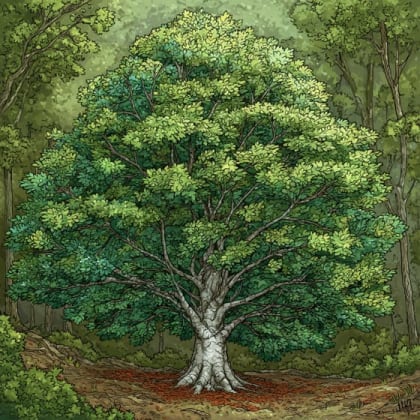
Silver Maple
Levelle W. Dupell Park, nestled in Fairfax County, Virginia, offers a peaceful retreat into nature with its lush woodlands and diverse ecosystems. This community park provides a serene escape for nature enthusiasts and families, inviting visitors to immerse themselves in a natural setting while enjoying a range of recreational activities. Its wooded tracts, representing a significant portion of its over 26 acres, are a haven for local wildlife and plant species, making it a valuable green space in an urban environment.
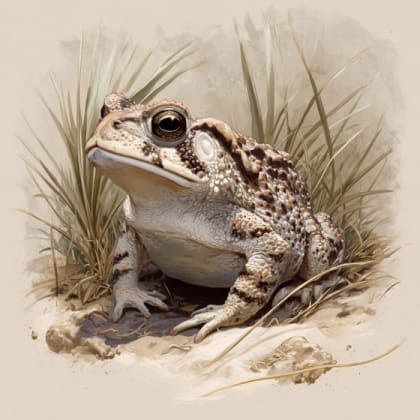
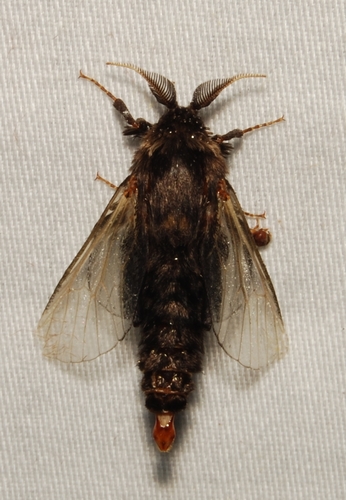
The park is home to a variety of flora and fauna, including impressive silver maple and red mulberry trees that provide ample shade and habitat. Keep an eye out for the vibrant Eastern Tiger Swallowtail butterflies flitting among the wildflowers, and the intriguing Evergreen Bagworm Moths. The park's natural areas also support amphibians like the Eastern Spadefoot and Fowler's Toad, and reptiles such as the Pond Slider. For those interested in insect life, species like the Sculptured Resin Bee, Brown Marmorated Stink Bug, and Spotted Orbweavers can be observed.
Whether you're seeking a quiet picnic amidst nature, a stroll along wooded trails, or an active afternoon on the courts, Levelle W. Dupell Park delivers. Its blend of recreational facilities and preserved natural spaces creates a memorable experience, offering a chance to connect with the outdoors and appreciate the local ecology. The park's commitment to maintaining its natural state, particularly in its heavily wooded northern portion, ensures a refreshing and enriching visit for all who enter. Be ready to snap and learn! Get the Snappit app to identify any nature species you find here.
Levelle W. Dupell Park, originally known as Newington Park, has a history rooted in community need and careful planning. In September 1966, the Board of Supervisors, prompted by local citizens, established a 200-foot wide strip of land to buffer the Newington maintenance facility from the adjacent Hunter Estates Neighborhood. This area eventually became part of the park. The park comprises several parcels of land acquired between 1973 and 1985, totaling over 26 acres. The Fairfax County Park Authority adopted a master plan for the park in 1968, and early developments included grading an athletic field in the same year. Further additions like a picnic shelter in 1974 and a multi-use court and playground in 1977 enhanced the park's recreational offerings. The planning process for Newington Park involved public forums, such as one held in January 1986, to gather community input for its development, ensuring it met the needs of local residents.
Enjoy a picnic, play sports on the courts, or let children explore the playground. Hike the trails to observe local wildlife, including various insects, amphibians, and native trees like silver maples and red mulberries. Look for specific species such as the Eastern Tiger Swallowtail and the Evergreen Bagworm Moth.
Spring: Witness wildflowers in bloom and increased activity of amphibians like Eastern Spadefoot and Fowler's Toad.
Summer: Enjoy the playground and picnic areas. The seasonal portable restroom is available.
Fall: Experience vibrant fall foliage and cooler temperatures perfect for hiking.
Winter: Enjoy a quiet, contemplative walk through the wooded areas, observing the skeletal beauty of the trees.
The park features an entrance road and paved parking lot. While specific trail accessibility is not detailed, some trails link park facilities. The Fairfax County Park Authority aims to establish full opportunity for all residents and visitors. For specific accessibility questions, it's recommended to contact the Fairfax County Park Authority directly.
Wooded natural areas with an 87% tree canopy.
Picnic shelter and picnic areas, some reservable.
Playground for children.
½ Basketball court and tennis court.
Each card links to a full Explore page with photos, traits, and fun facts.
Start with the big picture, then zoom in to explore individual wildlife observations around this place.
Bring bug spray
Especially during warmer months and when venturing into wooded areas, bug spray can enhance your comfort.
Carry water and snacks
While picnic areas are available, there are no concessions, so come prepared with your own refreshments.
Wear appropriate footwear
Trails may be unpaved, so sturdy shoes are recommended for exploring.
Pack a camera
The diverse wildlife and natural scenery offer great photography opportunities, especially for species like the Eastern Tiger Swallowtail and various fungi.
Check for portable restroom availability: Seasonal portable restrooms are only available from April to October.
Respect wildlife
Observe animals from a distance and avoid disturbing their natural habitats.
Mar 1, 2026
Feb 21, 2026
Feb 19, 2026
Jan 25, 2026
Jan 19, 2026

Maryland, US
You might spot White-Tailed Deer and Eastern Gray Squirrel.
View guide →
.jpg)
District of Columbia, US
You might spot Eastern Gray Squirrel, Duck, and House Sparrow.
View guide →

Illinois, US
You might spot American Robin, Canada Goose, and House Sparrow.
View guide →

Virginia, US
You might spot Spotted Lanternfly and Northern Cardinal.
View guide →
Take the discovery with you
Identify the wildlife you spot, learn as you go, and keep a collection of the adventure.