





Speckled Buzzing Grasshopper
Bryodemella tuberculata
The Speckled Buzzing Grasshopper is a small insect known for its colorful spots and cheerful buzzing sounds. They love to hop around in grassy areas, making them fun to spot while playing outside.
Habitat: Grasslands
The Speckled Buzzing Grasshopper is mottled brown and gray, perfectly camouflaged against rocky ground. Its body is often speckled, and males reveal a flash of bright red or yellow on their hind wings when they fly, making it distinct from plain brown grasshoppers.
Category
InsectsRarity
Common
Danger
1/5 · Very low
Snaps
Be the first to snap!
Did you know grasshoppers have their ears located on their abdomen, near their back legs?
Their powerful back legs contain a spring-like mechanism for super-fast, high jumps!
To grow bigger, a young grasshopper must shed its entire skin, like changing clothes!
When threatened, some can even spit up a brown liquid as a surprising defense!
Speckled Buzzing Grasshopper can flash bright red or yellow hind wings during flight, startling predators and making them hard to catch.
Speckled Buzzing Grasshopper can create a buzzing sound by rubbing its legs and wings, which helps them find mates in the grass.
These grasshoppers munch on various plants and grasses, keeping meadows healthy.

Corvus corax
Ravens hunt grasshoppers from above in open fields.
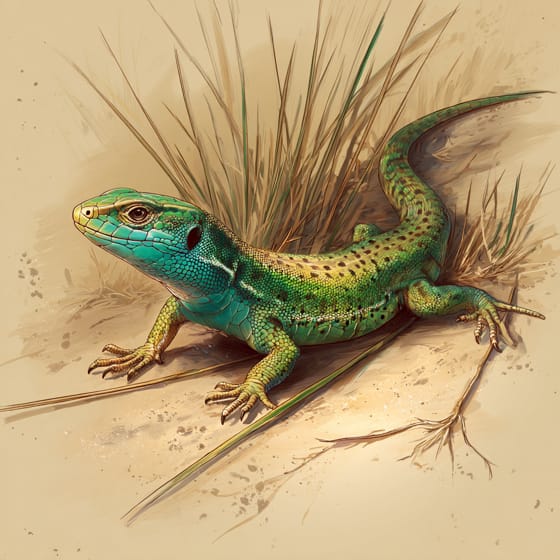
Lacerta agilis
Lizards ambush grasshoppers basking on warm rocks.

Trifolium pratense
Grasshoppers munch on its leaves and flowers.
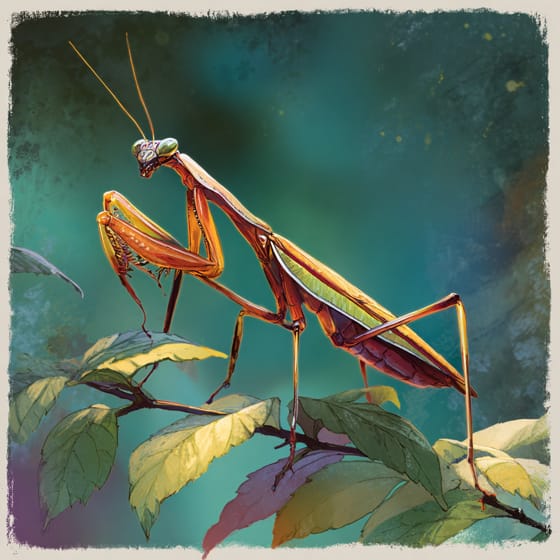
Mantis religiosa
Mantises are skilled predators that catch grasshoppers.
Marked with spots or patches of a different color.
Social animals live in organized groups, cooperating for survival benefits such as foraging, defense, and raising offspring.
Camouflaged describes organisms that possess coloring or patterns that allow them to blend into their environment.
Colorful describes organisms or objects displaying a wide range of bright and distinct colors.

Grassland habitats are terrestrial biomes dominated by grasses and herbaceous plants, supporting a variety of grazing animals.

This trait characterizes organisms whose diet consists entirely or primarily of plant material.

Diurnal animals are primarily active during daylight hours, typically resting or sleeping at night.

Describes organisms that transfer pollen, enabling the fertilization and reproduction of plants.
No aliases listed yet.
Danger
1/5 · Very low
Grasshoppers are usually safe to watch, but don't try to catch them too quickly; they might jump away!
The easiest way to identify Speckled Buzzing Grasshopper is to use the Snappit nature identifier app.
25-70 mm
15-35 mm
30-90 days
10 km/h
These grasshoppers munch on various plants and grasses, keeping meadows healthy.
Grasslands
Foraging
Zoom in to split clusters and explore where this object has been snapped.
Recent snaps will appear here as new observations are added.
Take the discovery with you
Snap it with Snappit to identify it, learn what makes it special, and add the discovery to your collection.






.jpg&width=800)



