%2C_Abwehrhaltung.jpg&width=800)





Speckled Kingsnake
Lampropeltis holbrooki
The Speckled Kingsnake is a beautiful snake with shiny scales and a pattern of spots. They are friendly and help keep the environment healthy by eating pests like mice and insects.
Habitat: Grasslands
The Speckled Kingsnake is a medium-sized snake typically dark brown or black, covered in small, bright yellow or cream speckles on nearly every scale. This striking, speckled pattern makes it distinct from other kingsnakes, which often have banded or striped patterns.
Category
ReptilesRarity
Common
Danger
1/5 · Very low
Snaps
4
Baby kingsnakes are born from eggs laid in warm, hidden places like under logs!
If scared, they might shake their tail like a rattlesnake to scare off attackers!
Speckled Kingsnakes are called 'kings' because they eat other snakes, even venomous ones!
These cool snakes are immune to the venom of many local poisonous snakes!
Speckled Kingsnake has special proteins in its blood that make it resistant to the venom of many other snakes it hunts.
Speckled Kingsnake can constrict its prey with powerful body muscles, squeezing tightly to overpower even larger animals.
The Speckled Kingsnake has a mottled pattern that helps it blend into leafy forest floors to hide from predators.
These carnivorous snakes eat rodents, lizards, birds, and even other snakes!
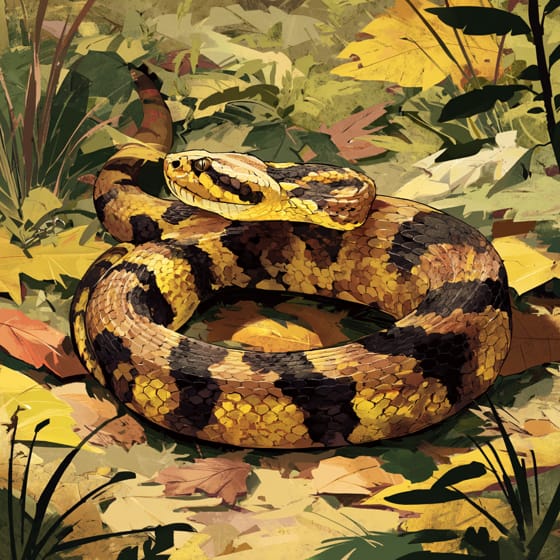
Crotalus horridus
Eats venomous snakes without harm.

Peromyscus leucopus
Mainly preys on small rodents.
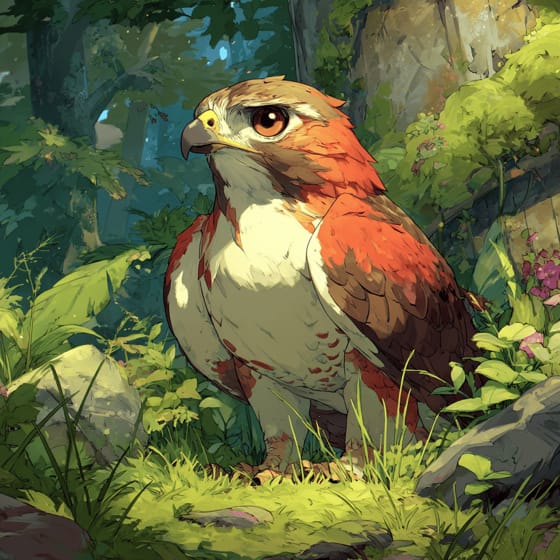
Buteo jamaicensis
Young snakes fall prey to large birds.
Anolis carolinensis
Includes lizards in its varied diet.
Marked with spots or patches of a different color.
Solitary animals live alone for most of their lives, only interacting with others for mating or parental care.
Arboreal animals live primarily in trees, utilizing them for shelter, food, and protection from predators.
Colorful describes organisms or objects displaying a wide range of bright and distinct colors.

Grassland habitats are terrestrial biomes dominated by grasses and herbaceous plants, supporting a variety of grazing animals.

This trait identifies organisms whose diet consists entirely or primarily of animal tissue.

Diurnal animals are primarily active during daylight hours, typically resting or sleeping at night.
No aliases listed yet.
Danger
1/5 · Very low
If you see a snake, it's best to watch it from a distance and not touch it.
The easiest way to identify Speckled Kingsnake is to use the Snappit nature identifier app.
90-150 cm
0.5-2 kg
10-15 years
6 km/h
These carnivorous snakes eat rodents, lizards, birds, and even other snakes!
1.5 km/h
Grasslands
Zoom in to split clusters and explore where this object has been snapped.

Mississippi, US
You might spot Gulf Fritillary, Gray Ratsnake, and Spotted Orbweavers.
View guide →

Arkansas, US
You might spot Prairie Lizard, Anole, and Canada Goose.
View guide →
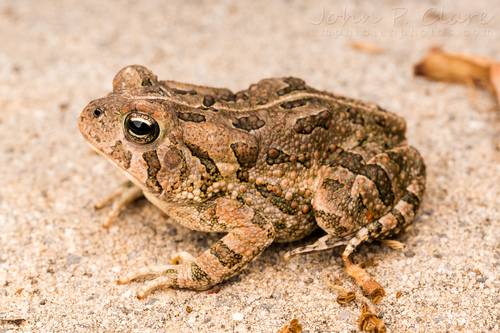
Arkansas, US
You might spot Fowler's Toad, Anole, and Eastern Lubber Grasshopper.
View guide →
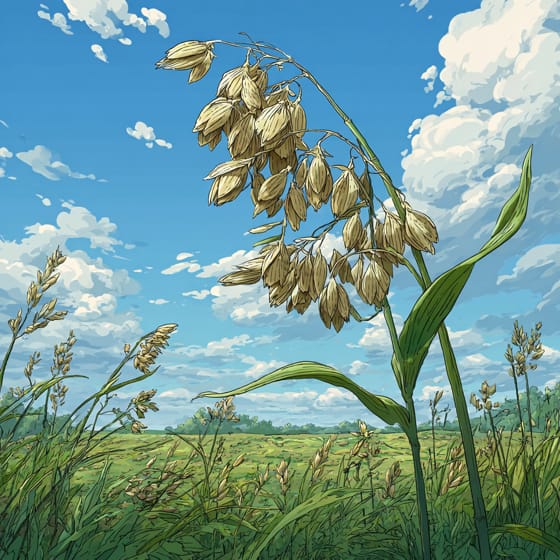
Arkansas, US
You might spot Oats, Emu, and Rabbit.
View guide →
Take the discovery with you
Snap it with Snappit to identify it, learn what makes it special, and add the discovery to your collection.












