





Speke'S Gazelle
gazella spekei
The Speke's Gazelle is a graceful animal that loves to run and leap in the grasslands. With its beautiful coat and elegant horns, it's like a dancer of the savanna!
Habitat: Dry grasslands and savannas in East Africa
The Speke'S Gazelle has a distinctive, fleshy, inflated proboscis (nose) that hangs over its mouth. Its coat is sandy-brown on the upper parts, fading to white underneath, with a broad, dark horizontal stripe separating these colors. It also features a white rump patch and short, ringed horns on both males and females.
Category
MammalsRarity
Common
Danger
1/5 · Very low
Snaps
Be the first to snap!
Baby gazelles can stand and run within minutes of being born!
Its unique nose can inflate like a balloon when it makes alarm calls!
Male gazelles mark their territory using special scent glands below their eyes!
These gazelles can survive long periods without drinking water from plants!
Speke'S Gazelle can inflate its unique proboscis to create a loud honking sound that helps them warn the herd of danger.
Speke'S Gazelle has evolved to survive long periods without drinking because they get most of their water from the plants they eat.
Speke'S Gazelle can reach incredibly high speeds very quickly because of their strong leg muscles that help them escape predators.
These gazelles are herbivores, mostly munching on grasses and juicy leaves to get energy and water.
Acinonyx jubatus
A top predator in its habitat, often hunts gazelles.
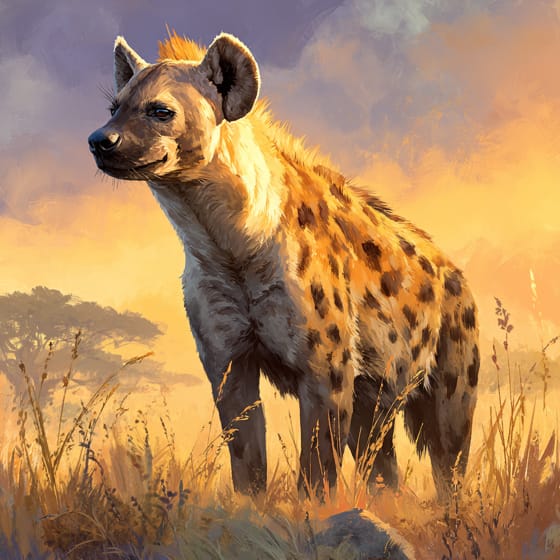
Crocuta crocuta
Hyenas are significant predators of adult and young gazelles.
Canis lupaster
Preys on young or sick gazelles.
Acacia etbaica
Gazelles browse on the leaves and pods of acacia trees.
Furry describes animals possessing a dense covering of soft hair or fur.
Social animals live in organized groups, cooperating for survival benefits such as foraging, defense, and raising offspring.
Grassland habitats are terrestrial biomes dominated by grasses and herbaceous plants, supporting a variety of grazing animals.
This trait characterizes organisms whose diet consists entirely or primarily of plant material.

Diurnal animals are primarily active during daylight hours, typically resting or sleeping at night.
Danger
1/5 · Very low
No special safety notes yet.
The easiest way to identify Speke'S Gazelle is to use the Snappit nature identifier app.
90-100 cm
25-40 kg
10-12 years
90 km/h
These gazelles are herbivores, mostly munching on grasses and juicy leaves to get energy and water.
Dry grasslands and savannas in East Africa
Grazing
Zoom in to split clusters and explore where this object has been snapped.
Recent snaps will appear here as new observations are added.
Take the discovery with you
Snap it with Snappit to identify it, learn what makes it special, and add the discovery to your collection.




.jpg&width=800)


.JPG&width=800)

.jpg&width=800)
